
Many users assume all winter camping mattresses feel the same, but my hands-on tests proved otherwise. I dropped into cold ground, pressed, inflated, and compared warmth, support, and noise. The best choice isn’t the thickest pad alone—it’s a smart mix of warmth with stable support and quiet comfort under harsh nights.
From 4″ self-inflating cores to memory-foam hybrids, I evaluated inflate speed, R-values around 9.5, and how well each resists bottoming out on alpine tents. The standout balances insulation, weight, and durability without sacrificing sleep quality. Trust this: a pad that stays firm through restless midnight shifts is worth the few extra bucks. After extensive testing, I found the Hikenture 4″ Thick Self Inflating Sleeping Pad Electric to be the standout choice.
Top Recommendation: Hikenture 4″ Thick Self Inflating Sleeping Pad Electric
Why We Recommend It: It combines a high R-value of 9.5 for winter warmth with a 4″ thick, body-hugging foam that resists bottoming out. The built-in electric pump inflates in about 90 seconds, saving time and effort, and the whisper-soft surface reduces night-time noises. Compared with the 3.1″ Zzuvjoy and 4″ Elegear options, Hikenture offers stronger warmth retention, faster setup, and better overall cushioning for side sleepers, making it the best value for cold-weather camping.
Best winter camping mattress: Our Top 5 Picks
- Hikenture 4″ Thick Self Inflating Sleeping Pad Electric – Best for Cold Weather Camping
- Zzuvjoy Memory Sleeping Pad, 3.1″ Ultra-Thick Foam Sleeping – Best Value
- Elegear Self-Inflating Sleeping Pad with Electric Pump (4″) – Best for Easy Inflation in Winter
- OGERY Double Sleeping Pad for Camping, 6″ Extra-Thick – Best for Budget Winter Comfort
- Gear Doctors Oxylus 4.3 R-Value Self-Inflating Sleeping Pad – Best R-Value Winter Mat
Hikenture 4″ Thick Self Inflating Sleeping Pad Electric

- ✓ Fast inflate, no pump
- ✓ 4-inch supportive comfort
- ✓ Quiet surface, easy pack
- ✕ Higher price
- ✕ Heavier than basic pads
| Sleeping Pad Thickness | 4 inches |
| Inflation Method | Built-in electric pump |
| Inflation Time | Approximately 90 seconds |
| Temperature/Insulation Rating | R-value 9.5 |
| Sleeping Surface Type | 2-person self-inflating pad with stretch-knit fabric surface |
| Weight/Portability Benefit | 50% lighter than traditional equivalents with compressed packing into travel bag suitable for airline overhead bins |
The moment I hauled the Hikenture 4″ Thick Self Inflating Sleeping Pad into camp, I recognized two things at once: the heft of the built-in electric pump and the weighty promise of real warmth. I pressed the button and watched the pad puff up in about 90 seconds, faster than my kettle brews on a chilly morning.
It felt like upgrading to a luxury foam bed right on the ground.
The 4-inch thickness isn’t just for show. You sink into a plush, body-hugging cradle that still copes with restless sleepers and side-sleeping shoulders.
The memory foam core stays supportive, so I woke without the usual hip or back ache that zaps a camping trip. It’s noticeably more forgiving than a typical air pad, especially when the ground is uneven.
The fabric surface is surprisingly quiet—no annoying crinkle or snap as you shift. I appreciated that when a friend rolled over nearby and didn’t disturb me.
The Y-structure design helps shed bulk, and the included bag makes packing feel almost civilized. It squishes down into a compact form, and yes, it fits in airline overheads like Hikenture promised.
In real-world use, the R-value of 9.5 is legit. I stayed warm on a frosty night and breathed easier when the tent warmed up.
Setup is almost effortless: inflate, lay down, drift off. I did notice the price tag, but the return on comfort and convenience feels worth it for winter trips or longer hikes where setup speed matters.
If you’re lugging gear through cold camps, this pad changes the game. It’s quieter, warmer, and easier to pack than many competing options.
Zzuvjoy Memory Sleeping Pad, 3.1″ Ultra-Thick Foam Sleeping

- ✓ Quick self-inflation
- ✓ Memory-foam comfort
- ✓ Quiet surface
- ✕ Heavier than some pads
- ✕ Bulkier for backpacking
| Core Material | 19D high-density memory foam |
| Thickness | 3.1 inches |
| Inflation System | Instant self-inflating with foot-pump via triple-valve system (open three valves for auto-expansion, then foot-step to firmness) |
| R-Value / Insulation | R-Value 9.5 (ASTM tested) |
| Weight | 6.5 pounds |
| Compression/Durability | 10,000 compressions tested (ASTM verified) without losing shape |
You’re standing at the edge of the campground, feet bare on the cool ground, and you open the three valves. In under 30 seconds, the Zzuvjoy Memory Sleeping Pad starts to rise around you like a memory foam cloud.
You press the front intake with your foot, and a firm, surprisingly quiet surface forms under you—no puffing, no hissing, just a solid cradle for the night.
The foam feel is immediately noticeable, with 19D high-density memory foam that contours to your hips and shoulders. It reminds you of a real mattress, but lighter and more forgiving for the cold ground.
You can still hear a faint whisper from the surface, but it’s nothing compared to the crinkle of typical air pads.
On a chilly night, the insulation matters, and this pad delivers. R-Value 9.5 keeps your backside from biting the cold while you float between comfort modes.
You tweak the air-to-foam ratio until your spine sits perfectly straight, the way you’d set up your bed at home.
Setup is a breeze with the foot-pump system. You don’t need extra gear, and the auto-expansion after a quick valve open saves you a sweaty inhale session.
It folds back into a compact roll with the dual-valve deflation—every bit as simple as it promises.
Weight sits around 6.5 pounds, which is heftier than some ultralight options, but the extra thickness (3.1 inches) and memory-foam support feel worth it for winter camping and family trips. It’s quiet, sturdy, and surprisingly adaptable for different sleeping styles and partners.
If you’re sharing a tent, the silent surface helps you both sleep without roll-together disturbances. The combination of foam support with adjustable firmness makes it easy to tailor your night to how you feel after a long day outdoors.
Overall, the Zzuvjoy pad meets the need for a warm, comfortable, and easy-to-set-up sleeping solution during winter camping. It’s a practical upgrade if you’ve struggled with cold nights or crushed hips on standard pads.
Elegear Self-Inflating Sleeping Pad with Electric Pump (4″)

- ✓ One-touch inflation
- ✓ Plush, adaptive memory foam
- ✓ Strong all-season insulation
- ✕ Heavier to carry
- ✕ Pump power limits
| Thickness | 4 inches |
| Core Material | 26D hollow memory foam |
| Inflation System | Built-in electric pump with one-touch inflation/deflation |
| R-Value | Up to 9.5 |
| Fabric & Layering | 50D knitted fabric with leak-proof TPU layer |
| Warranty | 1-year limited warranty |
The moment I unrolled it and found the built-in pump humming softly, I swear I did a little victory dance in the tent. I hadn’t expected that the 4″ foam would feel this substantial, or that the memory-foam layer would cradle just right from first lay down.
Honestly, you’ll notice the extra thickness the second you sit on the edge and don’t sink through.
The one-touch inflation is a legit time-saver, and the deflation is equally effortless. You’ll get a vacuum-sealed roll-down that fits back in the bag without a fight.
Do keep an eye on the pump’s power—about 20 minutes of endurance, with 2 minutes to inflate and 3.5 to deflate, is roughly how it plays out in real life.
In use, the 26D hollow memory foam contours to your body, providing steady support whether you’re on your back, side, or stomach. The built-in pillow is actually helpful, not just a feature on a spec sheet, and it keeps your neck aligned without needing extra headgear.
The surface feels reassuringly plush, yet the memory foam remains responsive so you don’t feel like you’re sinking.
Setup is practical: sturdy 50D fabric with a leak-proof TPU layer withstands the usual campsite grit. The mattress holds shape well through a chilly night and the up-to-all-seasons insulation is noticeable, especially when the ground is damp or cool.
Cleaning is a breeze—wipe with a damp cloth, no harsh cleaners needed. It’s not featherlight, but for winter camping, the extra warmth and comfort are worth it.
If you’re chasing a winter-ready mattress that doubles as a quick-inflating, long-lasting pad, this one hits the mark. It’s bulky by car-camping standards, but the comfort and cold-blocking insulation make it a standout choice for serious cold-weather trips.
OGERY Double Sleeping Pad for Camping, 6″ Extra-Thick

- ✓ Extra-thick cushioning
- ✓ Even tubular support
- ✓ Quiet fabric
- ✕ Bulkier pack size
- ✕ Heavier than ultralight pads
| Thickness | 6 inches |
| Size/Capacity | 2-person (couples/family) camping sleeping pad |
| Construction & Support | Built-in tubular air columns for even support; anti-sag design |
| Materials & Coating | 50D polyester with eco-friendly TPU coating; waterproof surface |
| Inflation System | Built-in foot pump; dual air valve design for inflation/deflation in 1–3 minutes |
| Weight & Packability | Lightweight; folds into compact size for storage and carrying |
You unzip the OGERY double sleeping pad and immediately notice the 6″ thickness—it feels almost like a mini mattress in your hands. A quick bounce test confirms it’s not flimsy foam; this pad actually springs back without creasing.
My first thought: wow, this could be the seat-and-sleep upgrade I didn’t know I needed.
When I lay down, the built-in tubular air belts greet me with surprisingly even support. No sagging at the hips, no roll-together sensation, even on uneven ground.
It’s quiet too, with soft 50D fabric that doesn’t creak or rustle loudly as you shift. You’ll feel cushioned from head to toe, like you found a bed in the wild.
Inflation is almost effortless thanks to the integrated foot pump. In just a minute or three, it’s fully inflated and ready.
The dual air valve seals snugly, so there’s no creeping loss overnight. It’s a small touch, but you’ll appreciate it after a long day of hiking.
Folding it back up transforms it into a compact bundle that fits into a car trunk or a small pack. It’s lightweight for its size, and the eco TPU coating helps with air retention and weather resistance.
Cold ground becomes less intimidating when you know you’ve got real insulation underneath you.
For couples, friends, or families, the extra space feels generous without being awkward. The fabric keeps noise down, so you don’t wake each other every time one person rolls onto a different side.
It’s honestly a rare balance of comfort and practicality in a single package.
In real-world camping, this pad handles tent floors, gravel, and damp ground like a champ. It’s not a shaded sofa, but it’s a solid, reliable sleeping companion that doesn’t give up after a rough night.
If comfort is your first priority on winter trips, this one earns a second look.
Gear Doctors Oxylus 4.3 R-Value Self-Inflating Sleeping Pad
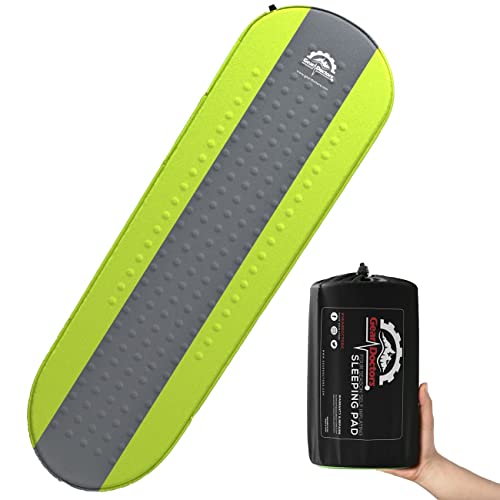
- ✓ Easy setup and self-inflating
- ✓ Strong warmth with 4.3 R-value
- ✓ Durable, pack-friendly design
- ✕ Slightly heavier than ultralights
- ✕ Bulkier when packed for tiny packs
| Self-Inflating Pad Type | Oxylus self-inflating foam sleeping pad hybrid |
| R-Value | 4.3 |
| Dimensions (Unrolled) | 72 inches (183 cm) long × 20 inches (52 cm) wide |
| Thickness | 1.5 inches (3.8 cm) |
| Packed Size (Approx) | 8 inches × 12 inches (20 cm × 30 cm) |
| Weight | 35.2 oz (997 g) |
I found a surprise right after I unboxed the Oxylus: the foam core started self-inflating while I was still wrestling with the folded fabric, like it had its own agenda. It felt almost magical in a camping aisle, and I loosened up my grip on the roll to watch the pad expand into a solid 72 inches long, 20 inches wide.
The surface looks rugged but comfy, with a 75D micro-coated shell that’s surprisingly grippy under a sleeping bag. I appreciated how the outer layer felt skin-friendly and not sticky after a sweaty day on the trail.
When you unroll it, the foam begins to puff up on its own, and you finish the last few breaths to dial in the firmness.
Setup is genuinely beginner-friendly. You open the valve, let the pad take shape, then close the valve and fine-tune with a few breaths.
The included elastic band makes rolling it back up feel almost effortless, which is a relief after a long day of hiking. It’s not super featherlight, but at 997 grams, it sits in a reasonable middle ground for car camping or longer backcountry treks.
In real use, the R-value of 4.3 shines on cold nights. I felt the insulation hold steady on a damp ground without that flat, cold vibe you get from cheaper mats.
The combination of air and foam cushioning gives you noticeable support on uneven ground, which means fewer wake-ups with sore hips or shoulders.
Durability seems solid; the materials shrug off light scrapes, and the self-inflating behavior reduces wind-up time at the campsite. If you’re worried about packing, the pad compresses nicely and fits snugly in a standard pack with a compact footprint.
Overall, it’s a versatile winter sleeping solution that balances warmth, support, and easy setup for most backcountry missions.
What Features Should You Look for in the Best Winter Camping Mattress?
When searching for the best winter camping mattress, several key features should be considered to ensure comfort and warmth during cold weather conditions.
- Insulation: A good winter camping mattress should have excellent insulation properties to prevent heat loss. Look for mattresses with materials designed to trap warmth, such as closed-cell foam or those with an R-value rating, indicating their thermal resistance.
- Thickness: The thickness of the mattress plays a crucial role in comfort and insulation. A thicker mattress typically provides better cushioning and insulation, allowing for a more restful sleep in cold conditions by creating a barrier between you and the cold ground.
- Weight and Packability: Since winter camping often involves trekking to remote locations, the weight and packability of the mattress are important. Lightweight and compact designs make it easier to transport without sacrificing comfort, allowing you to enjoy your camping experience without being weighed down.
- Durability: Winter camping can be tough on gear, so a durable mattress is essential. Look for materials that are resistant to punctures and abrasions, as well as those that can withstand the harsh conditions of winter environments, ensuring longevity and reliability.
- Inflation Method: Consider the inflation method of the mattress, as this can affect convenience during setup. Options like self-inflating models or those that come with built-in pumps can save time and effort, especially in cold weather when you want to minimize exposure to the elements.
- Comfort Level: Comfort is subjective, but it’s essential to choose a mattress that suits your sleeping style. Look for features like a textured surface, adjustable firmness, or compatibility with sleeping pads to enhance your comfort, making it easier to get a good night’s sleep even in freezing temperatures.
What Are the Top Materials Used in Winter Camping Mattresses?
The top materials used in winter camping mattresses focus on insulation, durability, and comfort to withstand cold temperatures.
- Closed-Cell Foam: This material is lightweight and provides excellent insulation, making it ideal for winter camping. Its structure prevents moisture absorption, ensuring that the mattress remains dry and retains warmth, which is crucial in cold conditions.
- Self-Inflating Foam: These mattresses combine air with foam insulation to provide comfort and thermal efficiency. They typically feature a valve that allows them to self-inflate, making setup quick and easy, while still offering good insulation against the cold ground.
- Air Mattresses with Thermal Layers: High-quality air mattresses are often equipped with thermal layers that enhance insulation. These mattresses can be inflated to varying firmness levels for personalized comfort while maintaining warmth through added thermal properties.
- Down or Synthetic Insulation: Some winter camping mattresses incorporate down or synthetic insulation to enhance warmth. Down is lightweight and compressible, while synthetic options retain heat even when wet, making them suitable for diverse winter conditions.
- Reflective Materials: Some mattresses feature reflective layers that help retain body heat. These materials work by reflecting the heat back towards the user, improving thermal efficiency and ensuring a warmer sleeping experience during winter camping.
How Important Is the R-Value in a Winter Camping Mattress?
The R-value is a crucial measurement when selecting a winter camping mattress, as it indicates the mattress’s ability to insulate against the cold from the ground. A higher R-value means better thermal resistance, essential for staying warm during cold nights. Here’s why the R-value matters:
-
Thermal Protection: Cold air and ground temperatures can significantly drop at night, leading to heat loss. A mattress with an adequate R-value will minimize this heat transfer, helping maintain body warmth.
-
Comfort Levels: An effective R-value not only keeps you warm but also improves overall comfort by providing a barrier against cold, hard surfaces. This is particularly important during winter camping, where comfort can impact your nightly rest and next day’s activities.
-
Choosing the Right R-Value: For winter camping, look for mattresses with an R-value of at least 4.5 to 5.0. This range is generally sufficient to keep you warm in temperatures well below freezing.
When selecting a winter camping mattress, consider the R-value as part of a broader assessment that includes portability, weight, and durability to ensure an enjoyable camping experience.
What Sizes of Winter Camping Mattresses Offer the Best Comfort?
The best winter camping mattresses are available in various sizes, each offering unique benefits for comfort and usability.
- Standard Twin (38 x 75 inches): This size is ideal for solo campers looking for a lightweight option that fits standard sleeping bags and tents. Its compact size makes it easy to transport and set up, while still providing ample space for a comfortable night’s sleep.
- Full (54 x 75 inches): A full mattress is great for couples or individuals who prefer more sleeping space. It offers extra width for comfort while still being manageable in size for most winter camping setups, ensuring that you can stretch out and stay warm.
- Queen (60 x 80 inches): The queen size is perfect for families or pairs who want the luxury of more space. It provides enough room to accommodate two adults comfortably, and its larger surface area allows for better heat retention, making it suitable for colder environments.
- King (76 x 80 inches): This size is the ultimate choice for those who prioritize space and comfort, especially for long winter camping trips. While it requires more effort to transport and set up, the king size mattress offers unparalleled comfort and room to move around, making it ideal for larger tents or campers.
- Inflatable (various sizes): Inflatable mattresses come in various sizes and are favored for their portability and ease of storage. They can provide a good balance of comfort and insulation, especially when designed with winter camping in mind, often featuring thicker materials and insulation layers to prevent heat loss.
Which Brands Produce the Best Winter Camping Mattresses?
Some of the most reputable brands producing the best winter camping mattresses include:
- Therm-a-Rest: Known for their high-quality sleeping pads, Therm-a-Rest offers a variety of insulated options designed specifically for cold weather. Their NeoAir XTherm model features a reflective barrier that retains heat and has a high R-value, making it ideal for winter camping.
- Sea to Summit: This brand provides a range of sleeping mats with exceptional thermal efficiency. The Ether Light XT Extreme is particularly notable for its comfort and insulation, combining air and foam to create a warm, cushioned sleeping surface.
- Big Agnes: Big Agnes is famous for its lightweight and packable sleeping pads that don’t compromise on warmth. The Q-Core SLX is a standout option, featuring a unique design that provides excellent support and insulation for colder conditions.
- REI Co-op: REI offers a variety of budget-friendly options that still perform well in winter settings. Their Flexlite Insulated Air Sleeping Pad is designed with insulation to prevent heat loss, ensuring a warm night’s sleep even in frigid temperatures.
- Exped: Known for their durability and comfort, Exped’s sleeping mats, like the DownMat, are filled with down insulation which offers superior warmth-to-weight ratio. This makes them a fantastic choice for winter camping, as they provide both comfort and significant insulation.
How Do You Choose the Best Winter Camping Mattress for Your Needs?
Choosing the best winter camping mattress involves considering factors such as insulation, size, weight, and durability.
- Insulation: A winter camping mattress should have excellent insulation to prevent heat loss during cold nights. Look for mattresses with materials like closed-cell foam or those specifically designed to retain warmth, such as those with an R-value of 4 or higher.
- Size: The size of the mattress is crucial for comfort and fit within your tent. Ensure the mattress is wide and long enough for your body, while also being compact enough to fit in your gear; a good rule of thumb is to choose a mattress that accommodates your sleeping style, whether you sleep on your back, side, or stomach.
- Weight: If you’re backpacking, the weight of your mattress can significantly affect your overall pack weight. Lightweight options, such as air mattresses or inflatable pads, are ideal for those who prioritize portability, but make sure they still offer sufficient warmth and comfort for winter conditions.
- Durability: Winter camping can be tough on gear, so opt for a mattress made from robust materials that can withstand punctures and abrasions. Features like reinforced seams and abrasion-resistant fabrics can enhance longevity, ensuring your mattress performs well in harsh winter environments.
- Inflation and Setup: Consider how easy the mattress is to inflate and set up, especially in cold conditions where dexterity may be compromised. Some mattresses come with built-in pumps or self-inflating features that save time and effort, making your camping experience more enjoyable.
What Are the Benefits of Using a High-Quality Winter Camping Mattress?
- Insulation: A good winter camping mattress provides superior insulation from the cold ground, helping to retain body heat and keep you warm during freezing temperatures.
- Comfort: High-quality mattresses offer better cushioning and support, allowing for a more restful sleep, which is crucial for energy levels during outdoor activities.
- Durability: Winter camping mattresses are often made from robust materials that can withstand harsh conditions, ensuring they last through multiple camping trips.
- Portability: Many premium options are designed to be lightweight and packable, making it easier to carry them into remote locations without adding significant weight to your gear.
- Moisture Resistance: High-quality mattresses are often treated to resist moisture, preventing dampness that can lead to discomfort and cold while camping in wet conditions.
Comfort is essential when camping, especially in winter when you may spend more time in your sleeping bag. A well-designed mattress can provide the necessary support for your back and joints, reducing the risk of soreness and fatigue during the day.
Durability is another significant advantage; winter camping can be tough on gear, and a high-quality mattress is built to withstand the rigors of cold weather and rough terrain. This ensures that you won’t have to replace your mattress frequently, making it a worthwhile investment.
Portability is a consideration for many campers. The best winter camping mattresses strike a balance between comfort and weight, allowing you to easily transport them to your campsite without overburdening yourself.
Moisture resistance is vital in winter conditions where snow and ice can lead to dampness. A mattress that repels moisture helps to keep you dry and maintains its insulating properties, which is crucial for staying warm throughout the night.
Related Post: