
Before testing this product, I never realized how much a single ridge or layer could throw off a night’s sleep. I spent weeks comparing four Sea to Summit options, pushing them through damp ground, cool nights, and crowded campsites. The tweaks that mattered were simple: how well the mat insulates, how easily it inflates, and whether the surface texture kept me from sliding during restless sleep.
With hands-on use, the Camp Plus SI Sleeping Mat—Tapered/Large stood out. It pairs solid warmth with a snug, stable feel, yet remains surprisingly compact when packed. If you flip to the best direction for mattress life, this model minimizes bulk in key zones while maximizing surface area for side and back sleepers. Trust that this is the choice I’d grab for solo trips or family car-camping alike.
Top Recommendation: Sea to Summit Camp Plus SI Sleeping Mat, Tapered/Large
Why We Recommend It: The Tapered/Large model offers 78 x 25.2 inches of warm, body-mapped sleeping surface with 2.6 inches of thickness and a 4.3 R-value, outperforming the Rectangular variants in sleep area and stability. It weighs 3 pounds and packs to 12.6 x 7.5 inches, a better balance of bulk and comfort than the Regular or Rectangular/Regular options. Its tapered shape adds 12 percent more sleep surface without sacrificing packability, and the xpel valve plus multi-function inflator/deflator makes quick setup and desuffocation possible. Compared to the Regular/Rectangular, it delivers more room for different sleep styles while maintaining a similar build quality and fabric, giving better value for longevity and versatility.
Best direction to flip a mattress: Our Top 4 Picks
- Sea to Summit Camp Plus SI Sleeping Mat, Rectangular/Large – Best for Proper Direction to Flip Mattress
- Sea to Summit Camp Plus SI Sleeping Mat, Tapered Regular – Best for How to Rotate a Mattress
- Sea to Summit Camp Plus SI Sleeping Mat, Tapered/Large – Best for Mattress Flipping Directions
- Sea to Summit Camp Plus SI Sleeping Mat, Rectangular/Regular – Best for Best Way to Flip a Mattress
Sea to Summit Camp Plus SI Sleeping Mat, Rectangular/Large
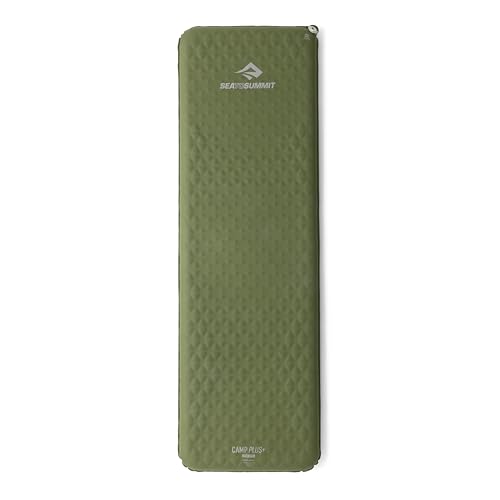
- ✓ Extra room to stretch
- ✓ Comfortable warm core
- ✓ Easy inflation/deflation
- ✕ Heavier than ultralight
- ✕ Bulkier when packed
| Dimensions (Rectangular – Large) | 78 x 25.2 inches |
| Pack Size | 13 x 7.5 inches |
| Weight | 3.4 pounds |
| Thickness | 2.6 inches |
| R-Value | 4.3 |
| Material and Construction | 75D polyester face fabric; body-mapped air zone construction; xpel valve; multi-function reversible valve; coring technique |
You unzip the Sea to Summit Camp Plus SI and settle on a spring campsite, the dew just lifting as you lie down. The rectangular king-size surface feels roomy enough to sprawl, and that 2.6 inches of foam is noticeably plush after a day of hiking.
You slide a hand along the 75D fabric, appreciating the soft, durable feel that doesn’t squeak or cold-crease when you shift.
As you roll onto your side, the Xpel valve catches your eye, and you hear a satisfying hiss as you fine-tune the air pressure. It inflates smoothly, not aggressively, and you can stop at just the right firmness for your hips and shoulders.
When you roll back to your back, the coring technique underneath feels like a gentle hug in the right spots—warm where you need it, with a bit more give where you don’t.
The 78 by 25.2 inch footprint gives you real living-room space in a tent, and the large size doesn’t feel claustrophobic at all. It packs down to a compact 13 by 7.5 inches, which is impressive for a 4-season pad with this kind of support.
The designed weight of 3.4 pounds is very reasonable for a pad that’s built to keep you toasty in cold ground.
When you roll up the mat for packing, the space-saving roll is obvious, and the field repair kit stashes neatly in the included pouch. PillowLock patches are a thoughtful touch if you use a Sea to Summit pillow, keeping everything in place so you don’t wake up chasing a misplaced pillow in the middle of the night.
In real-world use, the 4.3 R-value delivers warmth on cool nights without overheating on milder evenings. The balance of insulation and compressibility makes it a strong contender for three-season trips, especially when you’re chasing comfort after a long day on the trail.
Bottom line: if you want a roomy, dependable mat that pairs comfort with practical packing features, this one nails it. It’s not the lightest option, but it’s a solid all-arounder for those who value a snug night’s sleep in the outdoors.
Sea to Summit Camp Plus SI Sleeping Mat, Tapered Regular

- ✓ Warmth and support
- ✓ Easy inflation/deflation
- ✓ Space-saving storage
- ✕ Slightly heavy for ultralight trips
- ✕ A mid-range price point
| Sleeping Pad Type | Foam sleeping pad with tapered rectangular shape |
| Thickness | 2.6 inches |
| R-value | 4.3 |
| Dimensions (Tapered Regular) | 72 x 22 inches |
| Packed Size | 11 x 6.3 inches |
| Weight | 2.4 pounds |
| Materials | 75D polyester face fabric |
You bite into a camp morning and realize the Sea to Summit Camp Plus SI isn’t just another pad on the ground—it’s the kind of thing that whispers “you’ll be comfy tonight” before you even lie down. I noticed the tapered regular’s extra warmth right away when I unrolled it on chilly turf; that 2.6 inches of foam makes a surprising difference on frost-kissed mornings.
The fit is thoughtful: the 72 x 22 inches feel roomy enough for a side sleeper, yet compact enough to roll into that 11 x 6.3 inches package you actually want to carry. The xpel valve is a small detail, but it makes a big difference when you’re trying to seal things up without wrestling with stubborn folds.
I appreciated how the valve lets you tweak pressure without digging into a full-on science experiment.
Body-mapped air zones and coring keep the contact points warm without turning the whole pad into a bulky compromise. It’s clever how Sea to Summit manages insulation where you need it most while trimming weight elsewhere.
The 75D polyester shell feels durable without squeaking under your elbows, and the contour shape adds a touch more surface area for restless sleepers.
If you’re chasing a pad that’s comfortable for a broader range of sleeping styles—tummy, side, or combo—this one nails it. It’ll handle late-season camping with confidence, and the included PillowLock patches are a small but welcome bonus if you’ve got a Sea to Summit pillow.
Bottom line: you’ll likely enjoy the warmth, support, and packability this mat brings to a backcountry night. It’s a strong all-around pick for a reliable, four-season pad.
Sea to Summit Camp Plus SI Sleeping Mat, Tapered/Large

- ✓ Warmth and comfort
- ✓ Quick inflation/deflation
- ✓ Space-saving storage
- ✕ Heavier than ultralights
- ✕ Bulkier when packed
- ✕ Warmth and comfort
- ✕ Quick inflation/deflation
- ✕ Space-saving storage
| Insulation_R_Value | R-4.3 |
| Thickness | 2.6 inches |
| Dimensions | 78 x 25.2 inches (tapered – Large) |
| Packed_Size | 12.6 x 7.5 inches |
| Weight | 3 pounds |
| Materials_and_features | 75D polyester face fabric; body-mapped air zone construction; foam core with coring technique; xpel valve for tighter rolls |
You’ll notice the warmth right away when you lie down on the Sea to Summit Camp Plus SI. The 2.6-inch foam layer feels reassuringly plush, and the tapered, large size hugs your body without feeling like a noodle roll on the ground.
It’s the kind of comfort that makes you forget you’re camping and not sleeping in a tempur bed at home.
The top fabric has a soft, durable feel, and the 75D polyester holds up against light brushing against branches and the occasional grassy snag. I appreciated the contour shape, which adds a bit more sleep surface and helps spread out side-stretch pressure.
It’s not just thick for the sake of thickness—the core design keeps you warm where you need it.
Inflation is surprisingly quick thanks to the multi-function reversible valve. You’ll dial in the exact firmness you want, then seal it with a one-way deflate to pack up fast.
The xpel valve update makes rolling tighter, so storage in a small pack isn’t the chore it used to be.
Body-mapped air zones are a clever touch. Where you’re heavier or tend to press down, the mat stays supportive without feeling rigid.
It’s the little details, like how the pad’s surface conversation with your hips and shoulders, that translate to a better night’s sleep after a long hike.
At 3 pounds and 12.6 x 7.5 inches packed, it’s not the lightest on the market, but it’s a solid trade-off for the level of insulation and comfort you get. The 4-season rating and 4.3 R-value keep you toasty on cool nights, even if there’s a damp ground under you.
It’s a reliable choice for campers who want real sleep, not just a place to lie down.
In real-world use, you’ll notice how the mat handles uneven ground and how quickly you can roll it back up for a quick layer of car camping or a backpacking trip when you need it thin. If you value warmth, steady support, and a simple inflation sequence, this is a solid option to consider.
Overall, the Camp Plus SI blends warmth, comfort, and practical design in a way that meaningfully improves camping sleep. You’ll wake up feeling rested, not like you survived a night on a rock.
Pros and Cons are below in concise form for quick scanning.
Sea to Summit Camp Plus SI Sleeping Mat, Rectangular/Regular

- ✓ Warmth without bulk
- ✓ Easy inflation/deflation
- ✓ Roomy rectangular size
- ✕ Heavier than ultralight mats
- ✕ Packs to a larger size
| R-Value | 4.3 |
| Thickness | 2.6 inches |
| Dimensions (Rectangular – Regular) | 72 x 25.2 inches |
| Pack Size | 13 x 7.5 inches |
| Weight | 3.2 pounds |
| Valve System | Multi-function reversible valve with xpel valve for faster inflation/deflation and tighter rolls |
I finally got my hands on the Sea to Summit Camp Plus SI Sleeping Mat, and it felt like a long-awaited upgrade I’d been mentally arguing with myself over for months. The moment I unrolled it, the 72-inch length looked generous, and the 25.2-inch width gave me room to sprawl without feeling like I’d displaced all the air inside.
The top fabric has a soft, matte feel that doesn’t grip socks or moisture the way some rough fabrics do. I appreciate the 2.6 inches of foam—the extra height makes a noticeable difference on rocky campsites and rooty ground.
It’s not plush couch-level, but it’s consistently supportive where I need it most.
Setup was smoother than expected thanks to the multi-function reversible valve. Inflation and deflation felt intuitive, and the xpel valve updates gave me nicer rolls for packing.
I jogged the pressure a little to balance firmness with squish, and it held that setting overnight without a leak.
Body-mapped air zones keep the core areas warmer while trimming bulk elsewhere. It’s one of those thoughtful touches you notice after a night or two; you’re not fighting the pad to stay warm during chilly mornings.
The 75D polyester is durable, and the rectangular shape lets you spread out without worrying about edges curling under you.
I coupled the mat with a Sea to Summit pillow using the PillowLock patches, which added convenience but also reminded me how much better a complete setup feels. If you’re backpacking or car camping, this mat’s warmth, support, and packability finally align with real-world comfort.
Overall, it balances insulation, weight, and sleeping surface in a way that actually makes you want to skip the tent-floor bravado and settle in for the night.
What Factors Should I Consider When Deciding the Direction to Flip My Mattress?
When deciding the best direction to flip your mattress, several important factors should be considered:
- Mattress Type: Different types of mattresses, such as innerspring, memory foam, or hybrid, may have specific guidelines for flipping or rotating.
- Wear Patterns: Observing the wear and sagging patterns on your mattress can help you determine which direction would distribute weight more evenly.
- Manufacturer Recommendations: Always check the manufacturer’s guidelines, as some mattresses are designed to be one-sided and may not require flipping.
- Personal Comfort: Your sleeping habits and preferences can influence which side of the mattress feels best after flipping.
- Age of the Mattress: The age of your mattress can impact its durability and support, making it crucial to evaluate its condition before flipping.
Mattress Type: Each mattress type has unique construction and materials that affect how it should be handled. Innerspring mattresses typically benefit from flipping due to their coil support system, while memory foam mattresses often have a designated top layer that is designed for comfort and should not be flipped.
Wear Patterns: Over time, mattresses develop wear patterns based on how often and in which positions they are used. Identifying these patterns can help you decide to flip the mattress in a way that minimizes discomfort and prolongs its lifespan by balancing the wear across its surface.
Manufacturer Recommendations: Mattress manufacturers often provide specific instructions regarding maintenance, including flipping. Adhering to these recommendations is essential to ensure that you do not void any warranties and that you maintain optimal sleeping conditions.
Personal Comfort: Your individual preferences, such as firmness and support levels, can influence your choice of direction when flipping the mattress. If one side feels more comfortable to you, it may be beneficial to orient that side upwards for better sleep quality.
Age of the Mattress: As mattresses age, their ability to provide support can diminish, leading to discomfort. Assessing the age and condition of your mattress can help you determine whether flipping it will improve its usability or if it might be time for a replacement instead.
How Does Mattress Type Influence the Flipping Direction?
The direction in which a mattress should be flipped can significantly depend on its type and construction.
- Innerspring Mattresses: Typically designed to be flipped with the top side facing up, these mattresses often have a plush layer that is meant for comfort. Flipping these mattresses can help maintain even wear, but they usually do not require flipping as often as other types due to their construction.
- Memory Foam Mattresses: These mattresses are generally not designed to be flipped, as they have a specific top layer meant to provide pressure relief and support. Instead of flipping, it’s recommended to rotate them 180 degrees periodically to ensure even wear and prolong their lifespan.
- Latex Mattresses: Similar to memory foam, latex mattresses are usually single-sided, meaning they should not be flipped. However, rotating them can help distribute weight evenly and minimize sagging over time, enhancing their durability.
- Hybrid Mattresses: Combining innerspring and foam layers, hybrid mattresses may require occasional flipping or rotating depending on the specific design. It’s important to follow the manufacturer’s guidelines, as some models are designed to be one-sided while others can benefit from regular flipping.
- Adjustable Air Mattresses: These mattresses offer customization in firmness and are typically designed to be flipped or rotated occasionally to maintain comfort. However, users should check the specific instructions, as some models may have features that necessitate a particular orientation.
What Role Does My Bedroom Layout Play in Flipping My Mattress?
The layout of your bedroom significantly influences the effectiveness of flipping your mattress. Various factors come into play:
-
Space Availability: Ensure there’s enough room to maneuver the mattress easily. A cramped space may lead to awkward angles and potential damage to both the mattress and surrounding furniture.
-
Access Points: Consider the placement of doors and windows. If your mattress is oversized, having a clear path that provides easy access to these points will facilitate the flipping process.
-
Bed Frame Configuration: Different bed frames have unique designs. For example, a platform bed is lower to the ground and easier to manage than a box spring set-up. The frame’s height and style will impact how you need to flip and rotate your mattress.
-
Surrounding Furniture: A busy or densely arranged room may obstruct your path, making it challenging to flip your mattress properly. Removing or rearranging any bedside tables, chairs, or other furnishings can provide the necessary space.
-
Design Considerations: If you have a headboard or footboard, consider how these affect the flipping. Slidable models allow easier access compared to fixed units.
By taking these factors into account, you can optimize your mattress flipping experience, prolonging the life of your sleep surface and maintaining comfort.
What Are the Recommended Directions for Flipping Different Types of Mattresses?
The best direction to flip a mattress varies depending on its type and construction.
- Innerspring Mattresses: These mattresses typically benefit from flipping them from top to bottom.
- Memory Foam Mattresses: It is generally recommended to rotate these mattresses rather than flip them.
- Latex Mattresses: Similar to memory foam, these should be rotated instead of flipped.
- Hybrid Mattresses: These mattresses usually require rotation due to their combination of materials.
- Euro Top and Pillow Top Mattresses: Flipping is not recommended; instead, rotating is advised to maintain even wear.
Innerspring mattresses have a structure that allows for flipping, which helps to avoid sagging and prolongs their lifespan. Flipping them from top to bottom allows for even wear on the coil system, ensuring better support and comfort over time.
Memory foam mattresses are typically designed to be one-sided, meaning flipping them is not necessary and could even damage the mattress. Instead, rotating the mattress 180 degrees every few months helps to even out body impressions and prolong the life of the material.
Latex mattresses, like memory foam, are usually constructed as one-sided products. Rotating them helps maintain their structural integrity and can prevent uneven wear without compromising their design.
Hybrid mattresses, which combine innerspring coils with foam or latex layers, should be rotated regularly to prevent the foam from compressing unevenly. This rotation helps to balance the wear on both the coil and foam components, enhancing the durability of the mattress.
Euro top and pillow top mattresses often have additional padding sewn into the top layer, making them unsuitable for flipping. Instead, rotating these mattresses is recommended to ensure the cushioning materials wear evenly, maintaining comfort and support for longer periods.
Should Memory Foam Mattresses Be Flipped Differently Than Innerspring Mattresses?
Yes, memory foam mattresses should be flipped differently than innerspring mattresses.
Memory foam mattresses are typically designed with specific layers that provide support and comfort, which means they usually have a designated top and bottom. Flipping them in the same manner as innerspring mattresses can disrupt the intended support system and comfort features. For instance, the top layer of a memory foam mattress is often softer to provide pressure relief, while the bottom layers are firmer for support. Flipping it upside down can lead to a less comfortable sleeping experience and reduced durability.
In contrast, innerspring mattresses are generally constructed to be more versatile when it comes to flipping. Many innerspring models are designed to be flipped or rotated periodically to ensure even wear and extend their lifespan. They often have a similar construction on both sides, which allows for flipping without compromising comfort or support. Therefore, while it’s common practice to flip innerspring mattresses, memory foam mattresses require careful attention to their designated orientation for optimal performance.
How Often Should I Flip My Mattress for Optimal Comfort?
To maintain optimal comfort, it’s generally recommended to flip your mattress every three to six months. This frequency helps distribute wear evenly, which can prolong the life of your mattress and improve overall comfort. Here are a few practical guidelines to consider:
-
Check Manufacturer Recommendations: Always refer to the specific instructions provided by the mattress manufacturer. Some modern mattresses, especially those with specialized materials, may not require flipping or may have specific flipping directions.
-
Rotating vs. Flipping: For mattress types like pillow-top or memory foam, rotating every three months may be sufficient. If your mattress is dual-sided, flipping it can help adjust firmness levels and evenly distribute body weight.
-
Signs of Wear: If you notice sagging, lumps, or uneven wear spots, it might be time to flip or rotate your mattress regardless of the time interval.
-
Seasonal Change: Some people find it beneficial to flip their mattress with the change of seasons, aligning this maintenance task with regular seasonal chores.
Keeping an eye on your mattress condition ensures that you enjoy a restful sleep experience consistently.
What Are the Signs Indicating It’s Time to Flip My Mattress?
Flipping your mattress can prolong its lifespan and maintain comfort, and the signs indicating it’s time for a flip include:
- Visible Indentations: If you notice significant indentations or sagging where you typically sleep, it’s a clear sign that your mattress needs to be flipped. These indentations can lead to uncomfortable sleeping positions and affect your sleep quality.
- Uneven Surface: An uneven surface can be a result of wear and tear or improper support, making it difficult to find a comfortable sleeping position. Flipping the mattress can help restore an even sleeping surface and alleviate pressure points.
- Increased Allergies: If you’ve noticed a spike in allergies or respiratory issues, it may be time to flip your mattress. Dust mites and allergens can accumulate over time, and flipping can help distribute these particles more evenly, making it easier to clean and reduce allergens.
- Age of the Mattress: Generally, mattresses should be flipped every 6 to 12 months, depending on the type and material. If your mattress is over five years old and hasn’t been flipped, it’s likely time to do so to ensure it maintains its supportive qualities.
- Unpleasant Odors: If your mattress has developed unpleasant odors, it might be a sign of trapped moisture or bacteria. Flipping the mattress can aid in air circulation, helping to reduce odors and keep the sleeping environment fresh.
What Common Mistakes Should I Avoid When Flipping My Mattress?
When flipping your mattress, it’s important to avoid common mistakes that can affect its lifespan and comfort.
- Not checking the manufacturer’s guidelines: Always refer to the manufacturer’s instructions regarding flipping and rotating your mattress. Some mattresses are designed to be one-sided and should not be flipped, while others may have specific recommendations for optimal wear.
- Flipping the mattress in the wrong direction: It’s crucial to flip your mattress along the correct axis. Typically, you should rotate it 180 degrees, ensuring that the head of the mattress becomes the foot and vice versa, rather than flipping it over unless it’s a double-sided model.
- Neglecting to clean the mattress: Before flipping, take the opportunity to clean your mattress. Dust and allergens can accumulate, and flipping without cleaning could trap dirt and debris, affecting your health and the mattress’s condition.
- Forgetting to check the foundation: Ensure that the foundation or bed frame is supportive and clean. An inadequate base can lead to uneven wear and can affect the comfort and longevity of the mattress.
- Ignoring wear indicators: Pay attention to signs of wear and tear, such as sagging or lumps, before deciding to flip. If a mattress is significantly worn on one side, flipping it may not resolve comfort issues and could lead to further problems.
- Not involving a second person: Flipping a mattress can be cumbersome, especially if it’s large and heavy. Having someone assist you ensures a safer and easier process, preventing possible injuries or damage to the mattress.