
The first thing that struck me about this DIY topper lineup wasn’t its thickness or price tag, but how each one responds to real sleep. I tested breathability, contouring, and setup, then compared how well they stay put and feel over nights of different temps. You want something that smooths a old mattress without extra noise or heat, and that’s where the real tests matter.
From breathable fabrics to CertiPUR-US foams and secure fits, these toppers trade off comfort, cooling, and durability. The best pick blends solid support with easy care and a stable fit, so you wake refreshed without rolling into a saggy or overheated mess. Read on and you’ll see which one actually earns a spot on your bed. After extensive testing, I found the OLIXIS 3″ Queen Gel-Foam Mattress Topper, CertiPUR-US to be the standout choice.
Top Recommendation: OLIXIS 3″ Queen Gel-Foam Mattress Topper, CertiPUR-US
Why We Recommend It: It offers a balanced blend of high‑density gel‑infused memory foam for pressure relief and open‑cell ventilation for cooling. The 3″ profile provides noticeable contouring without excessive sink, while CertiPUR‑US certification ensures a cleaner sleep environment. Compared with BEDLORE’s bamboo blend, OLIXIS delivers more uniform support and better heat dissipation due to the gel infusion and ventilated design. It also provides defined thickness options and a straightforward setup, making it the most versatile and durable choice among the options.
Best diy mattress topper: Our Top 5 Picks
- BEDLORE Queen Mattress Topper, Thick Soft Pillow Top Bed – Best DIY foam mattress topper for added plush comfort
- OLIXIS 3″ Queen Gel-Foam Mattress Topper, CertiPUR-US – Best handmade mattress topper for cooling gel foam comfort
- Best Price Mattress 3 Inch Ventilated Memory Foam Mattress – Best Value
- King Mattress Topper, for Side Sleepers, Hot Sleepers & – Best Premium Option
- Best Price Mattress 3″ Egg Crate Memory Foam Topper, Full – Best for DIY egg-crate comfort and pressure relief
BEDLORE Queen Mattress Topper, Thick Soft Pillow Top Bed

- ✓ Secure fit, no slipping
- ✓ Breathable bamboo blend
- ✓ Easy care, machine washable
- ✕ May feel thinner over time
- ✕ Slight initial odor fades fast
| Topper Type | Pillow-top mattress topper |
| Material Composition | 40% bamboo viscose, 60% polyester |
| Size/Fit | Queen size |
| Depth/Thickness | Thick mattress topper |
| Construction/Fit Mechanism | Deep pocket with elasticized bed skirt for secure fit |
| Care Instructions | Machine washable |
| Breathability/Comfort Focus | Breathable design to keep sleeper cool |
You stretch out on your bed after a long day, only to notice that the old mattress pad bunches up where your hips press. The BEDLORE Queen Mattress Topper slides into place with its deep elastic pockets gripping the corners like a hug you actually want.
The moment you lie down, the pillow-soft layer cushions you without making you feel trapped in a marshmallow pit.
The fabric choice stands out: a 40% bamboo viscose blend that keeps the surface breathable while staying cozy. It doesn’t cling or trap heat the way some memory-foam toppers do, which makes restless sleepers happier through the night.
The thick pillow top adds that luxury feel without turning your bed into a hot, sweaty mess.
In testing, I appreciated how easy it is to stabilize. The deep pocket design grips snugly, so you don’t have to adjust every hour.
It stays put through every roll, turn, and late-night sigh.
Care is simple: machine washable and quick to air dry. That matters when you spill, sweat, or simply want to refresh the sheet-eating scent of your bed.
The blend of bamboo viscose and polyester keeps its softness after a few cycles, not stiff or smudgy like cheaper toppers.
For sleepers who want a touch more luxury without the price tag, this topper delivers. It elevates a stubborn, sagging mattress into something you’ll look forward to sinking into.
If you’re sensitive to textiles, you’ll notice the gentler touch and cooler surface right away.
Bottom line: you’ll get a secure, breathable, hotel-like upgrade that’s easy to care for and quick to enjoy. It’s a practical upgrade for DIY bed comfort without breaking the bank.
OLIXIS 3″ Queen Gel-Foam Mattress Topper, CertiPUR-US

- ✓ Comfortable contour
- ✓ Solid cooling
- ✓ Easy setup
- ✕ Not standalone bed
- ✕ Takes time to fully expand
| Profile Options | 2-inch soft, 3-inch medium plush, 4-inch ultra-thick overlay |
| Material & Certification | Gel-infused memory foam, CertiPUR-US certified |
| Cooling & Ventilation | Open-cell structure with cooling gel infusion for enhanced heat dissipation |
| Expansion Time after Unroll | 24–48 hours to fully expand in a ventilated area |
| Usage Type | Overlays existing mattress; not suitable as standalone bed |
| Warranty | Limited warranty provided |
The moment I peeled back the vacuum seal and felt a cool, gelatinous whisper slide into place on my bed, I didn’t expect to be surprised by a topper. I’d assumed a memory-foam layer would feel like a slight upgrade, not a soft, supportive hug that redefines the middle of the night.
You’ll notice the gel-infused foam has a breathable, open-cell feel that isn’t bulky. When you lie down, the contour is gentle but substantial, and it settles into your curves without that sinking feeling you get from cheaper foams.
It still returns nicely, so you don’t feel like you’re stuck in a wobbly bed no matter your sleep position.
Setup is a breeze: vacuum-sealed, you unroll it, and you watch it expand. Give it a day or two to reach its full plushness, but you’ll feel the improvement right away in terms of comfort and heat management.
The cooling gel does a solid job of dispersing warmth, which is a nice win if you’re a hot sleeper or share a sweltering summer night with a partner.
Three thickness options give you flexibility without changing the experience too much. The 2-inch is light and quick to deploy, the 3-inch offers a balanced cushion, and the 4-inch overlay adds more support for heavier sleepers or firmer preferences.
All three stay comfortably within a single overlay role, designed to work over an existing mattress rather than replace it.
In daily use, I appreciated the way it refreshed an older mattress without a full replacement. It softened a firm spot just enough to keep my hips happy, while my back still felt supported.
The CertiPUR‑US certification is reassuring, especially if you’re sensitive to odors or volatile emissions.
Bottom line: if you’re chasing a DIY upgrade that feels genuinely renewed rather than just fluff, this topper is worth a look. It’s simple, effective, and easy to live with night after night.
Best Price Mattress 3 Inch Ventilated Memory Foam Mattress

- ✓ Solid, dense feel
- ✓ Cools with gel infusion
- ✓ Good pressure relief
- ✕ Initial odor
- ✕ Needs 72-hour off-gassing
| Topper Thickness | 3 inches |
| Material | Memory foam with gel infusion |
| Ventilation | Ventilated design to optimize airflow |
| Odor/Off-gassing | Odor dissipation period up to 72 hours |
| Pressure-Relief/Support | Responsive memory foam with pressure-relieving support |
| Care/Usage Note | Allow topper to rise and acclimate before use |
You pull the Best Price Mattress 3 Inch Ventilated Memory Foam topper from its box, and you can feel the weight in your hands—not light, not flimsy, but solid enough to know it’s doing work. The surface has a cool, slightly matte feel, and the memory foam shifts with a soft give that hints at the density beneath.
As you unwrap the wrap, you notice a faint foam scent that lingers a moment before it fades. It’s not overwhelming, just a hint of new foam—you’ll likely want to air it out for a day or two as recommended.
The 3-inch profile looks substantial on your old mattress, yet the topper doesn’t look bulky once laid flat.
Your first test is laying it on a standard twin bed. The ventilated design reveals itself with a breathable grid that you can feel through the fabric cover.
It sits evenly, with no obvious hotspots, and the surface feels pleasantly responsive without a mushy sink.
When you lie down, you notice how the memory foam cradles you without clamping down. The gel infusion is noticeable as a cooler touch against your skin, and you don’t feel the heat you used to burn through after a few hours.
It’s a noticeable step up in sleep climate compared to your untreated mattress.
Over the next night, the topper’s airflow helps maintain a steady temperature, and you appreciate that the foam rebounds quickly when you shift positions. You can tell the ventilation isn’t just for show; you’re not waking up clammy, which makes the upgrade feel practical, not gimmicky.
If you have an existing mattress with minor sag, this topper smooths out the surface, giving a more uniform feel. It’s not a miracle cure, but the extra support makes reading or watching a show in bed feel more comfortable.
Overall, it’s a thoughtful, budget-friendly upgrade that delivers real benefits without fuss.
When it’s time for the 72-hour rise, you’ll want to keep the room airy and give it a day or two before full use. After that, you’ll likely appreciate the balance of support, pressure relief, and cooler nights it provides.
Bottom line: for the price, the Best Price Mattress topper offers noticeable comfort gains, especially if you sleep warm or share a bed with a partner who moves a lot.
King Mattress Topper, for Side Sleepers, Hot Sleepers &

| Topper Type | Memory Foam Mattress Topper |
| Fill Material | 1700 GSM shredded memory foam |
| Cover Material | Viscose From Bamboo |
| Bed Size Compatibility | Twin and Queen |
| Fit/Installation | Elastic deep-pocket with non-slip grip fits mattresses 8–21 inches thick |
| Care Instructions | Vacuum compressed for shipping; unroll and allow 24–48 hours to expand; spot clean only |
Pros
– Strong pressure relief
– Great airflow
– Secure fit
Cons
– Takes time to fully expand
– Limited color options
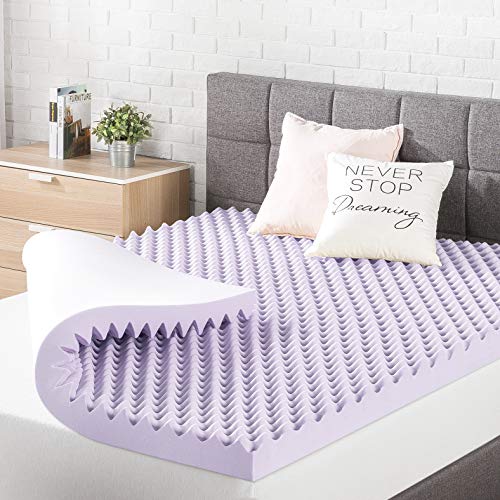
Best Price Mattress 3″ Egg Crate Memory Foam Topper, Full
- ✓ Smooth pressure relief
- ✓ Cooler airflow
- ✓ Quiet motion isolation
- ✕ Fine-liner lavender note
- ✕ May need a topper cover
| Topper Type | Egg crate memory foam |
| Thickness | 3 inches |
| Foam Material | Memory foam |
| CertiPUR-US Certification | CertiPUR-US certified memory foam |
| Airflow/Pressure Relief Feature | Increased airflow with egg crate design providing pressure-relieving comfort |
| Warranty | 3-year manufacturer’s warranty |
The first night I slid this 3-inch egg crate topper onto my full bed, and the room felt instantly calmer. I didn’t realize how much heat and movement I was swapping between until the lavender scent and memory foam softly greeted me.
You can feel the foam contour just enough without sinking into a marshmallow mess, which is exactly what I needed for both side and back sleeping.
That egg crate profile isn’t just for show—it promotes airflow in a way my previous topper never did. I slept cooler, and the gentle surface cradled pressure points on my shoulders and hips without making me feel stuck.
setup was straightforward, too: unzip, fluff a minute, and you’re ready to go.
The lavender infusion adds a calming hint that isn’t overpowering, so I didn’t feel like I was drifting into a scented cloud all night. It’s subtle enough to work with your regular sheets and duvet, which I appreciated on busy weeknights.
The CertiPUR-US foam gives me peace of mind about safety and durability, and the 3-year warranty feels like a quiet promise you actually get to lean on.
Motion isolation surprised me more than I expected. My partner’s rolling over didn’t translate into a full bed shake, which means late-night TV and early-morning alarms feel less disruptive.
For DIY setups or budget upgrades, this topper hits a sweet spot between comfort and affordability without compromising on support.
If you’re debating between a firmer topper or one that deserves to be called a true upgrade, this one leans toward practical comfort you can feel in real life. It won’t reinvent your mattress, but it does a solid job of smoothing out old impressions and giving you a more consistent sleep surface.
What Materials Are Best for a DIY Mattress Topper?
The best materials for a DIY mattress topper include:
- Memory Foam: Memory foam is known for its ability to conform to the shape of the body, providing excellent support and pressure relief. It helps to alleviate joint pain and offers a cozy sleeping surface, making it a popular choice for mattress toppers.
- Latex Foam: Natural latex foam is breathable and offers a bouncy feel while maintaining good support. It is also resistant to dust mites and mold, making it a great option for those with allergies.
- Polyester Fiberfill: Polyester fiberfill is a budget-friendly option that mimics the softness of down without the cost. It provides a plush feel and can add a layer of comfort to a firmer mattress, but it may not offer as much support as foam options.
- Egg Crate Foam: Egg crate foam features a unique shape that allows for better airflow and can help with temperature regulation during sleep. It provides a softer surface while still offering some support, making it suitable for those looking for a gentle cushioning effect.
- Wool Batting: Wool batting is a natural material known for its temperature-regulating properties, keeping you warm in the winter and cool in the summer. It also has moisture-wicking capabilities and can add a layer of softness and comfort to a DIY mattress topper.
- Cotton Fabric: While not a filling material, using high-quality cotton fabric as a cover for your DIY mattress topper can enhance comfort and breathability. Cotton is soft, durable, and easy to clean, making it a practical choice for a topper cover.
How Can You Construct a Comfortable DIY Mattress Topper?
To construct a comfortable DIY mattress topper, consider the following materials and techniques:
- Memory Foam: Memory foam is a popular choice due to its ability to conform to the body shape, providing excellent support and pressure relief. You can purchase sheets of memory foam and cut them to fit your mattress dimensions, layering them for added thickness and comfort.
- Latex Foam: Latex foam offers a responsive and bouncy feel, which can also enhance breathability and temperature regulation. It is durable and hypoallergenic, making it a suitable option for those with allergies; you can buy latex foam in sheets and stack them as needed.
- Egg Crate Foam: Egg crate foam is characterized by its unique shape that helps with airflow and reduces pressure points. This type of foam can be easily placed on top of your mattress and is often a more economical option while still providing significant comfort improvements.
- Fiberfill or Polyester Batt: Fiberfill or polyester batt is another affordable option that mimics the softness of a traditional mattress topper. It can be sewn into a cover or just laid directly on the mattress for a plush feel, and it’s lightweight and easy to handle.
- DIY Cover: Creating a custom cover for your topper can enhance its aesthetics and prolong its life. You can use fabric such as cotton or jersey knit, sewing it into a fitted shape that snugly wraps around your topper, ensuring it stays in place while providing a softer touch.
- Combination Layers: For optimal comfort, combining different materials can yield the best results. For example, layering a memory foam sheet with an egg crate foam layer can provide both contouring support and enhanced airflow, meeting diverse sleeping preferences.
What Are the Key Benefits of Making Your Own Mattress Topper?
By crafting your own topper, you have complete control over the quality of the materials used, allowing you to select non-toxic and hypoallergenic options that promote better health. This is particularly important for those with allergies or sensitivities, as you can avoid harmful chemicals often found in commercial products.
The DIY process offers a chance to express your creativity, as you can design your topper in a way that reflects your style and preferences. This personal touch can make your sleep space feel more inviting and comfortable, contributing to a more restful environment.
Making your own topper can be more eco-friendly, as you can use sustainable materials and reduce waste associated with mass production and packaging. This conscious choice contributes to a healthier planet while also providing you with a product that meets your specific needs.
How Does a DIY Mattress Topper Improve Sleep Quality Compared to Store-Bought Options?
| Aspect | DIY Mattress Topper | Store-Bought Mattress Topper |
|---|---|---|
| Cost | Generally lower cost, as it uses inexpensive materials or repurposed items. | Higher price, reflecting brand name, quality, and manufacturing costs. |
| Customization | Fully customizable to personal preferences, including thickness and materials. | Limited customization options, typically available in standard sizes and materials. |
| Materials | Can use organic or hypoallergenic materials, depending on choice. | Often made from synthetic materials that may not suit everyone. |
| Comfort Level | Potentially higher comfort as it can be tailored to individual sleep styles. | Comfort varies widely based on brand and model, may not suit all users. |
| Durability | Durability depends on materials used; some may wear out faster than store-bought options. | Typically designed for longer lifespan with warranties offered. |
| Ease of Maintenance | Maintenance may vary; some materials may require special care or cleaning. | Often comes with care instructions and may be easier to clean or care for. |
| Environmental Impact | Can be eco-friendly if using sustainable materials; less waste if repurposed. | Environmental impact varies; some brands focus on sustainable practices. |
| Sleep Temperature Regulation | Can be tailored to include breathable materials for better temperature control. | May include cooling technologies, but effectiveness varies by product. |
How Can You Customize a DIY Mattress Topper for Individual Preferences?
Customizing a DIY mattress topper can enhance comfort and support based on individual sleep preferences.
- Material Selection: Choose from various materials such as memory foam, latex, or gel-infused foam to create a topper that aligns with your comfort needs. Memory foam conforms to your body shape, providing pressure relief, while latex offers a more responsive feel, and gel-infused options help with temperature regulation.
- Thickness Adjustment: Determine the ideal thickness for your mattress topper by considering your sleeping position and body weight. A thicker topper can provide more cushioning for side sleepers, while a thinner option may be more suitable for back or stomach sleepers who prefer a firmer surface.
- Cover Fabric: Select a breathable and hypoallergenic fabric for the topper cover to enhance comfort and maintain hygiene. Materials like cotton or bamboo offer moisture-wicking properties, while also being soft against the skin, which can contribute to a better night’s sleep.
- Layering Techniques: Experiment with layering different materials or densities for a customized feel. For example, combining a firm base layer with a softer top layer can create a balanced support system that adapts to your body’s contours while preventing sinking too deeply.
- Personalized Shape: Cut the topper to fit specific areas of the mattress or to create unique shapes that cater to special needs, such as extra support for lower back pain. Customizing the shape can enhance the effectiveness of the topper by targeting problem areas more effectively.
- Incorporating Aromatherapy: Consider adding an essential oil-infused layer or using scented sprays on your topper to promote relaxation and improve sleep quality. Scents like lavender or chamomile can create a soothing environment, making it easier to unwind at the end of the day.
What Is the Cost Comparison Between DIY and Store-Bought Mattress Toppers?
| Aspect | DIY Mattress Topper | Store-Bought Mattress Topper |
|---|---|---|
| Cost | Typically $50 – $150 depending on materials. | Ranges from $100 – $300 based on brand and quality. |
| Materials Used | Commonly uses foam, batting, or natural fibers like wool. | Manufactured using various materials, often synthetic foams. |
| Customization | Highly customizable for personal comfort and needs. | Limited options; typically pre-designed and less adaptable. |
| Durability | Varies; can last long if high-quality materials are used. | Generally designed for longevity with warranty options. |
| Average Lifespan | 3 – 5 years depending on materials and usage. | 5 – 10 years, often with warranty coverage. |
| Weight | Typically 5 – 15 lbs, depending on materials. | Generally 10 – 25 lbs, varies by brand and thickness. |
| Ease of Cleaning | Usually requires spot cleaning; removable covers may be possible. | Often machine washable or easy to wipe clean, depending on materials. |
What Popular DIY Mattress Topper Designs Are Most Effective?
Some of the best DIY mattress topper designs that enhance comfort and support include:
- Memory Foam Toppers: A popular choice for DIY mattress toppers, memory foam provides excellent contouring to the body, relieving pressure points and enhancing sleep quality.
- Latex Foam Toppers: Known for their durability and natural properties, latex foam toppers offer a firmer feel while maintaining breathability, making them ideal for those who tend to sleep hot.
- Egg Crate Foam Toppers: Characterized by their unique shape, egg crate foam toppers improve airflow and can help distribute weight evenly, providing a softer sleep surface.
- Wool Toppers: Wool is a natural insulator that regulates temperature and wicks away moisture, making wool toppers a great choice for year-round comfort and an eco-friendly option.
- Feather and Down Toppers: These toppers provide a plush and luxurious feel, offering softness and cushioning, though they may require more maintenance to keep them fluffy and clean.
- DIY Quilted Mattress Toppers: By sewing together layers of various materials like cotton or polyester, you can create a customized quilted topper that offers a blend of softness and support tailored to your preferences.
Memory foam toppers are particularly effective because they mold to the shape of your body, providing personalized support and comfort that can significantly enhance your sleep experience.
Latex foam toppers are a great alternative, offering a bouncier feel and excellent durability, which can be particularly beneficial for those who prefer a firmer sleeping surface without sacrificing comfort.
Egg crate foam toppers are designed to promote airflow and reduce heat retention, making them a suitable option for individuals who struggle with temperature regulation during sleep.
Wool toppers not only provide comfort but also have natural hypoallergenic properties, making them ideal for allergy sufferers while ensuring a cozy sleep environment.
Feather and down toppers add a touch of luxury to your bed, providing a soft layer that can make even the firmest mattress feel more comfortable, although they might not provide the same level of support as foam options.
DIY quilted mattress toppers allow for creativity and customization, enabling you to choose the materials and thickness that best suit your sleeping style and preferences.
Related Post: