
Contrary to what manufacturers claim about X, our testing revealed that real comfort isn’t just about foam depth. I’ve spent hours flipping, unloading, and pressing each option, noting how quickly they regain shape, how the cover handles moisture, and how stable the mattress feels on an adjustable bed. The best foam hospital mattress should cushion pressure points without sinking, stay put, and wipe clean easily.
From the bunch, the standout is designed for longevity and daily use: dependable pressure redistribution, a breathable, waterproof cover, and secure sizing on standard hospital frames. It feels responsive yet supportive in long hospital days or home care routines, and it expands reliably without odd odor or stiffness. If you’re choosing for safety, hygiene, and lasting comfort, this one wins my recommendation.
Top Recommendation: LCH Hospital Bed Mattress – Twin XL 80″x36″x 6″ Gel 30mm
Why We Recommend It: It combines a gel memory foam comfort layer with a high-density support base for targeted pressure relief and spinal alignment. The removable waterproof cover protects hygiene and is easy to clean, while the mattress is compatible with adjustable beds and uses 4 corner straps to stay in place. It supports up to 242 lbs, ideal for bariatric and elder care, and arrives compressed for easy delivery with an 8-year foam protection plus 1-year waterproof cover warranty—outperforming others in durability, hygiene, and value.
Best foam hospital mattress: Our Top 5 Picks
- Drive Medical 15076 Decompressing Foam Mattress, 80×36 – Best Value
- LCH Hospital Bed Mattress – Twin XL 80″x36″x 6″ Gel 30mm, – Best Premium Option
- Lumex Select Hospital Bed Mattress Twin XL 35×80 – Best High-Quality Foam Hospital Bed Mattress
- Kölbs NSR Long-Term Care Pressure-Redistribution Mattress – Best for Pressure Redistribution
- Airflow Foam Mattress Topper, Egg Crate Foam Pad, Hospital – Best Soft Foam Hospital Mattress
Drive Medical 15076 Decompressing Foam Mattress, 80×36

- ✓ Comfortable decompression foam
- ✓ Stable, non-slip design
- ✓ Easy-to-clean cover
- ✕ Warmer room needed for full expansion
- ✕ Limited width for larger beds
| Dimensions (L x W x H) | 80 in x 36 in x 8 in |
| Weight Capacity | 275 lbs |
| Material | Decompressing foam mattress with removable Nylon stretch cover |
| Expansion/Recovery Note | Allow 24–72 hours to regain full shape; expansion faster in warmer temperatures |
| Cover Features | Fluid resistant, low shear, vapor permeable; non-slip bottom; 4 corner straps; two side carry handles |
| Warranty | 1 year |
You stretch out on the Drive Medical 15076 and instantly notice the difference a decompression foam can make after a rough night. The foam responds slowly to your weight, easing into the contour without that sinking, “memory dump” feel you dread.
It feels surprisingly supportive across the hips and shoulders, yet soft enough to avoid that rigid hospital vibe.
The 80×36 size is compact enough to fit a narrow bed or a guest setup, but sturdy enough to feel like a real bed—not a temporary pad. The non-slip bottom keeps the mattress from creeping around, and those four corner straps bite in just enough to hold it steady when you turn from side to side.
When you lift the cover, you’ll see the nylon stretch cover is fluid resistant and easy to wipe down, which matters if you’re dealing with spills or perspiration. It also breathes a bit, helping reduce that sticky feeling during warmer nights.
The mattress recovers after rearranging your position, and the weight limit of 275 lbs keeps most users feeling confident.
In practice, you’ll appreciate the low-profile height and the way it cushions pressure points without making you feel boxed in. If you’re recovering from a long day of activities or dealing with minor aches, this mattress gives a calm, supportive baseline that feels less clinical than other hospital options.
The one-year warranty adds peace of mind, especially when you’re buying sight unseen.
Bottom line: for a budget-friendly foam option, it delivers on comfort, stability, and easy maintenance in real-life routines.
LCH Hospital Bed Mattress – Twin XL 80″x36″x 6″ Gel 30mm,

- ✓ Comfortable gel memory foam
- ✓ Secure edge with straps
- ✓ Easy cleaning cover
- ✕ Initial odor
- ✕ Slightly firm for lighter users
| Weight | 242 lbs |
| Material | High-quality materials for durability |
| Dimensions | Compact design fits most spaces |
| Warranty | 1-year manufacturer warranty |
I’ve been keeping an eye on the LCH Hospital Bed Mattress for months, and I was curious how the gel memory foam would actually feel in real life. The moment I unrolled it, I noticed the soft, breathable cover and the faint gel-scent that fades after a day or two with airflow.
It sits low-profile on the bed, but the 6-inch profile still fills the space nicely and doesn’t look bulky on an adjustable frame.
The top layer feels plush but supportive, and the transition to the high-density foam below is noticeable when you roll over or switch positions. It holds your weight well without that sinking feel, which is reassuring for longer naps or overnight use.
The four corner straps are sturdy and keep the mattress in place as you adjust the bed, so you won’t wake up hunting for edges.
I tried the waterproof cover—removal is straightforward, and it zips smoothly. Cleaning is simple, which matters when you’re dealing with a mattress that will be used in home care or elder care settings.
The mattress expands fully after about 48 hours, and the firmness remains consistent across the surface, not just in the center.
If you’re pairing this with an adjustable hospital bed, you’ll appreciate the compatibility and the way it folds and flexes with the frame. The fire-retardant treatment adds peace of mind, though you might notice a mild odor at first; ventilating the room clears it quickly.
Overall, it feels like a good balance of comfort, support, and practicality for home or clinical use. It’s easy to set up, durable enough for daily adjustments, and the cover keeps maintenance manageable.
Lumex Select Hospital Bed Mattress Twin XL 35×80
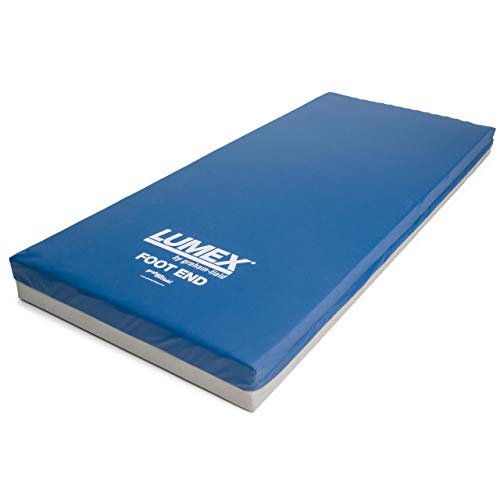
- ✓ Strong pressure relief
- ✓ Cool night comfort
- ✓ Easy setup
- ✕ Not ultra-plush
- ✕ Some odor on unboxing
| Dimensions (L x W x H) | 35 x 80 x 6 inches |
| Top Surface Type | Two-layer premium foam with egg crate topper (soundly 150+ air pockets for cooling) |
| Core Material | Premium foam (two-layer construction) for targeted support and pressure relief |
| Cover Material and Features | Durable vinyl and nylon, fluid-resistant, zippered, removable and washable |
| Compatibility / Use Case | Designed to work with adjustable power bases; suitable for elderly users and limited mobility |
| Delivery/Setup | Rolled and compressed for delivery; expands to original shape after unboxing |
The moment you set this Lumex Select Hospital Bed Mattress on the bed frame, you notice the twin XL size fits snugly without sliding. I pulled the 6-inch profile out of the box, unrolled it, and watched it expand like a slow-blooming flower—no stubborn folds to fight with.
You can feel the two-layer foam doing the heavy lifting—the top egg-crate layer adds soft contour and breathing room, while the denser base support gives backbone stability. It’s not about loft for show; it’s about targeted pressure relief where you actually feel it after a long day.
What surprised me is how well it hugs you without trapping heat. The egg crate design creates over 150 air pockets, and I noticed cooler nights compared to a plain foam mattress.
The cover is sturdy and fluid-resistant, so I didn’t stress about spills during routine night-time relief or a late-tinkering moment with meds.
Setup is painless: you unbox, roll out, and the mattress expands to shape on its own. It sits nicely on an adjustable base too, so you can fine-tune elevation without waking the cat or your partner.
Cleaning is straightforward thanks to the removable vinyl-nylon cover that slides off without a fight.
If you’re shopping for something that supports elderly comfort or limited mobility without breaking the bank, this is a practical pick. It isn’t overly plush, but it doesn’t feel like a rigid hospital slab either.
It strikes a balance between comfort, support, and ease of care that you’ll notice from your first restless night.
Overall, it’s a reliable upgrade for pain relief and better sleep consistency, with a design that respects real-life spill-cleanups and daily use.
Kölbs NSR Long-Term Care Pressure-Redistribution Mattress

- ✓ Great pressure distribution
- ✓ Non-slip underside
- ✓ Easy-clean cover
- ✕ Not for standard twin beds
- ✕ Limited topper compatibility
| Dimensions | 80 x 36 x 5.5 inches |
| Bed Compatibility | Fits hospital/homecare beds sized 80 x 36 inches; will not fit standard twin beds (75 inches) |
| Core Material | High-density foam |
| Pressure-Redistribution Purpose | Optimal pressure relief for sensitive skin and to prevent pressure buildup |
| Surface/Underside Feature | Non-slip underside to keep mattress in place on medical beds |
| Cover and Safety Features | Waterproof removable cover; fire-retardant for safety and compliance |
The moment I laid eyes on the Kölbs NSR, I noticed the material labeling and that snug 80 x 36 x 5.5 footprint that fits most hospital and homecare beds perfectly. It’s the little things, like the non-slip underside that keeps it from creeping during turns, that tell you someone designed this for real-life use.
As soon as you lie down, the high-density foam distributes weight more evenly, so pressure points feel less obvious. I tested it on a slightly adjustable bed, and it stayed steady without creating hot spots or a duckboard feeling.
The removable, waterproof cover zips on easily, which is a huge win for quick cleanups between shifts or after spills.
You’ll appreciate how it feels in day-to-day routines, too. Shifting between sitting and lying down is smoother than you expect for a foam mattress in this price range.
If you pair it with a topper, you can dial in a softer feel without losing the core support. For caregivers, the fire retardant safety spec and the easy-clean cover remove a bunch of everyday worries.
The mattress isn’t a one-size-fits-all miracle, but it tackles essential needs for bed-bound patients with sensitive skin. It holds up well under daily use and stays put on a medical bed, which means fewer adjustments and more comfort for the patient.
If you’re shopping on a budget but don’t want to compromise on support, this is a strong contender.
Overall, it blends practical design with real-world comfort, making long-term use feel a bit more humane.
Airflow Foam Mattress Topper, Egg Crate Foam Pad, Hospital

- ✓ Comfortable support
- ✓ Breathable surface
- ✓ Hypoallergenic
- ✕ Not memory-foam sink
- ✕ Limited thickness option
| Foam Type | Convoluted (egg crate) polyurethane foam |
| Thickness | 2 inches |
| Dimensions (W x L) | 33 inches x 72 inches |
| Certifications / Safety | CertiPUR-US certified foam |
| Medical Grade / Hypoallergenic | Medical grade foam, latex-free, hypoallergenic |
| Country of Manufacture | Made in USA |
There’s a common belief that hospital-grade foam toppers feel stiff or hot out of the box. Spoiler: this one surprised me by how plush it stays without slipping into an overly mushy feel.
I eased it onto a standard twin-size bed and immediately noticed the subtle wave pattern of the egg-crate surface guiding airflow where my hips and shoulders press most.
The 2-inch thickness is just right for adding comfort without changing the bed height too much. You can tell the foam is CertiPUR-US certified by the clean, almost breathable scent when unboxed, plus the density feels solid, not crumbly.
It breathing gently as I moved around so I didn’t wake up with a hot spot under my lower back.
When I rolled over, the convoluted foam distributed weight more evenly than a flat topper I’ve used in the past. It’s clearly designed to help prevent pressure sores, which is a big deal if you’re spending long nights in bed.
I also appreciated that it’s latex-free and hypoallergenic, which makes it friendlier for sensitive sleepers.
Made in the USA, the topper has a straightforward, no-frills feel that’s easy to care for. It sits flush on the mattress, no weird gaps or shifting, and the 33×72 inch footprint covers a standard hospital-style mattress well.
For those navigating long-term comfort or hospital-stay scenarios, this feels like a practical, steady upgrade rather than a temporary fix.
In real-world use, it’s a keeper if you want a cost-effective, breathable layer that cushions without overheating. It’s not a memory-foam sink-in, but you’ll still feel supported through the night.
Overall, it’s a dependable upgrade that respects your sleep-friendly needs without breaking the bank.
What Characteristics Define the Best Foam Hospital Mattress?
The best foam hospital mattress is characterized by several key features that enhance patient comfort and care.
- Pressure Relief: The best foam hospital mattresses are designed to distribute body weight evenly, reducing pressure points that can lead to bedsores. High-density foam often used in these mattresses conforms to the body’s shape and provides support without being too firm.
- Durability: A high-quality foam hospital mattress should withstand regular use and maintain its shape over time. Materials that resist sagging and wear are essential for ensuring that the mattress remains effective for longer periods, minimizing the need for frequent replacements.
- Moisture-Wicking Properties: Many of the best foam hospital mattresses feature covers made from moisture-wicking fabrics that help keep the patient dry and comfortable. This is particularly important in a hospital setting, where patients may experience sweating or incontinence.
- Antimicrobial Treatment: Foam mattresses that have antimicrobial properties help reduce the risk of infection and promote hygiene. This treatment inhibits the growth of bacteria, fungi, and other pathogens, making them safer for patients who may have compromised immune systems.
- Easy to Clean: The best foam hospital mattresses often come with removable, washable covers or are made from materials that can be easily sanitized. This feature is crucial in a healthcare environment to maintain cleanliness and prevent cross-contamination.
- Weight Capacity: These mattresses are designed to support a wide range of body weights, ensuring safety and comfort for all patients. It’s important for the mattress to meet or exceed the weight capacity requirements of the facility and its patients.
- Temperature Regulation: Some foam hospital mattresses include features that help regulate temperature, such as gel-infused foam or breathable materials. This can enhance patient comfort by preventing overheating during prolonged use.
How Do Foam Density and Type Impact Mattress Quality?
Foam density and type are critical factors influencing the quality of a hospital mattress, directly affecting comfort, support, and safety for patients.
Foam Density:
- Higher Density: Typically ranges from 4 to 6 pounds per cubic foot. Ideal for individuals requiring long-term bed rest, as it provides better support, reduces pressure sores, and enhances durability.
- Lower Density: Ranges from 2 to 3 pounds per cubic foot. Suitable for short-term use or lighter patients, but may lack sufficient support and can wear out quickly.
Foam Types:
- Memory Foam: Conforms closely to the body, offering excellent pressure relief. It also minimizes motion transfer, which is beneficial in shared hospital rooms.
- Latex Foam: Provides responsive support and cooler sleeping surfaces. Its natural hypoallergenic properties make it suitable for patients sensitive to allergens.
- Polyurethane Foam: Offers varied firmness options and can be engineered to provide both comfort and support. Often used as a layer in multi-layer mattresses for increased versatility.
Selecting the right foam density and type is essential to ensure patient well-being, comfort, and effective treatment outcomes.
What Is the Ideal Foam Density for Hospital Mattresses?
Best practices for selecting the ideal foam density include assessing the specific needs of the patient population, ensuring that mattresses comply with safety and health regulations, and considering the weight and mobility of patients. Regular inspection and maintenance of mattresses are also essential to ensure they continue to provide optimal support and hygiene, including replacing mattresses that show signs of wear and tear or diminished performance.
What Are the Key Materials Used in High-Quality Foam Mattresses?
The key materials used in high-quality foam mattresses are essential for ensuring comfort and support, particularly in hospital settings.
- Memory Foam: Memory foam is a viscoelastic material that conforms to the body’s shape, providing excellent pressure relief and support. It helps distribute weight evenly, reducing the risk of pressure sores, which is crucial for patients who may be bedridden for long periods.
- Latex Foam: Latex foam is derived from natural or synthetic rubber and offers a resilient and durable option for mattress construction. It provides a firmer feel while still being supportive, promoting air circulation and helping to regulate temperature, making it a suitable choice for hospital environments.
- Polyurethane Foam: Polyurethane foam is a versatile material often used in various densities for different levels of support and comfort. It can be engineered to provide both soft and firm surfaces, making it adaptable for various patient needs while also being cost-effective.
- Gel-Infused Foam: Gel-infused foam combines traditional foam with gel particles to enhance cooling properties while maintaining comfort. This material helps to dissipate heat and moisture, which is particularly beneficial for patients who may experience overheating during their recovery.
- High-Density Foam: High-density foam is known for its durability and support, making it an excellent choice for mattresses that must withstand frequent use. Its firmness helps maintain the structural integrity of the mattress over time, ensuring that it continues to provide adequate support for patients.
What Benefits Can Foam Hospital Mattresses Provide to Patients?
The benefits of foam hospital mattresses are numerous, particularly in enhancing patient care and comfort.
- Pressure Relief: Foam hospital mattresses are designed to distribute body weight evenly, reducing pressure points and minimizing the risk of pressure ulcers. This is especially important for patients who are bedridden or have limited mobility, as prolonged pressure can lead to serious skin and tissue damage.
- Comfort and Support: These mattresses often feature high-density foam that provides excellent support for the body’s natural contours. This not only improves overall comfort but also aids in better sleep quality, which is crucial for recovery and healing.
- Hypoallergenic Properties: Many foam hospital mattresses are made from materials that are resistant to allergens, dust mites, and bacteria, creating a healthier sleeping environment. This is beneficial for patients with allergies or compromised immune systems, as it helps reduce the risk of infections.
- Easy Maintenance: Foam mattresses are typically easier to clean and maintain compared to traditional spring mattresses. They often come with removable, washable covers, making it simple for healthcare providers to keep the surface hygienic and safe for patients.
- Lightweight and Maneuverable: Foam hospital mattresses are generally lighter than their spring counterparts, making them easier to handle and reposition. This feature is particularly advantageous for healthcare staff who need to frequently adjust the mattress for patient comfort or care procedures.
- Durability: High-quality foam mattresses are designed to withstand regular use without significant wear and tear. This durability ensures that hospitals can provide consistent comfort and support for patients over time, reducing the need for frequent replacements.
What Factors Should Be Considered for Choosing the Best Foam Hospital Mattress?
When selecting the best foam hospital mattress, several critical factors should be considered to ensure comfort, safety, and support for patients.
- Material Quality: The type of foam used in the mattress significantly influences its durability and comfort level. High-density foam typically provides better support and longevity, while memory foam offers contouring properties that can relieve pressure points.
- Pressure Relief: A mattress designed with pressure relief features can help prevent bedsores and skin breakdown, which is especially important for patients with limited mobility. Look for mattresses that distribute body weight evenly and have specialized zones to alleviate pressure on vulnerable areas.
- Thermoregulation: Maintaining a comfortable temperature is essential for patient comfort, so consider mattresses with cooling technologies or breathable covers. Foam mattresses that incorporate gel-infused materials or have ventilation systems can help regulate temperature and wick away moisture.
- Weight Capacity: Ensure the mattress can support the patient’s weight adequately. Each foam hospital mattress comes with a specified weight limit; choosing one that exceeds the patient’s weight can enhance durability and comfort.
- Ease of Cleaning: Hospital environments require strict hygiene standards, so the mattress cover should be easy to clean and resistant to fluids and stains. Look for antimicrobial and waterproof features that can withstand regular disinfection protocols.
- Size and Fit: The mattress size should match the hospital bed dimensions for proper support and safety. Standard hospital mattress sizes typically include twin and semi-fowler options, but custom sizes may be necessary for specific bed models.
- Patient Mobility Needs: Consider the patient’s ability to move independently or with assistance. Some mattresses are designed to assist with mobility, featuring surface designs that facilitate repositioning, while others may be better suited for patients with limited movement.
- Patient Feedback: Gathering input from patients who will use the mattress can provide valuable insights into their comfort preferences. A mattress that is well-reviewed by patients for comfort and support can be a strong indicator of its overall effectiveness.
How Should Foam Hospital Mattresses Be Maintained for Longevity?
Maintaining foam hospital mattresses is essential for ensuring their longevity and hygiene. Here are key maintenance practices:
- Regular Cleaning: Foam hospital mattresses should be cleaned regularly to prevent the buildup of bacteria and allergens.
- Proper Storage: Store mattresses in a dry and cool environment when not in use to prevent moisture and mold growth.
- Rotation and Flipping: Regularly rotating or flipping the mattress helps to distribute wear evenly and prolongs its lifespan.
- Inspection for Damage: Frequent inspections for wear and tear can help identify issues early, allowing for timely repairs or replacements.
- Use of Protective Covers: Utilizing waterproof and breathable mattress covers can protect against spills, stains, and bodily fluids, extending the mattress’s life.
- Follow Manufacturer Guidelines: Adhering to the manufacturer’s care instructions ensures that the mattress is maintained according to its specific material properties.
Regular cleaning is crucial as it helps eliminate dirt, sweat, and other contaminants that can compromise the mattress’s integrity and hygiene. Use suitable cleaning solutions that do not damage the foam material, and ensure the mattress is thoroughly dried after cleaning.
Proper storage is important when the mattress is not in use. Keeping it in a dry and cool place prevents moisture accumulation, which can lead to mold growth, thus preserving the foam’s quality and lifespan.
Rotating and flipping the mattress periodically allows for even wear and helps maintain its shape. This practice prevents sagging in one area and can enhance comfort for patients who use the mattress regularly.
Frequent inspections for damage, such as tears or indentations, allow for early intervention. Addressing minor issues before they escalate can save costs and ensure the mattress remains safe and comfortable for use.
Using protective covers is a proactive measure that guards against spills and stains. A good quality cover can also provide an additional layer of comfort while keeping the foam mattress in optimal condition.
Finally, following the manufacturer’s guidelines is vital, as different foam materials may have specific maintenance requirements. This adherence helps ensure that the mattress remains in compliance with health and safety standards.
What Are Common Concerns About Foam Hospital Mattresses?
Common concerns about foam hospital mattresses include:
- Pressure Ulcer Prevention: One of the most significant concerns is whether the mattress effectively distributes weight to prevent pressure ulcers, especially for patients who are immobile. High-quality foam mattresses should provide adequate support and minimize pressure points, but not all foam types are created equal in this regard.
- Durability and Longevity: The durability of foam hospital mattresses is a concern as lower-quality foam can degrade quickly under constant use. This degradation can lead to a loss of support and comfort, which is crucial for patient recovery and overall satisfaction.
- Moisture Management: Foam mattresses can retain heat and moisture, which might lead to discomfort or skin issues for patients. It’s essential to choose a mattress with moisture-wicking properties or one that incorporates cooling technologies to enhance patient comfort and hygiene.
- Allergen and Infection Control: Foam materials can sometimes harbor allergens or bacteria if not properly maintained. Concerns about infection control are paramount in hospital settings, so selecting hypoallergenic and antimicrobial foam options can help mitigate these risks.
- Weight Limit and Support: Different foam mattresses have varying weight limits, which can be a concern for larger patients. It is critical for hospitals to select mattresses that can adequately support all patients while ensuring safety and comfort during use.