
The landscape for full-size hypoallergenic mattresses changed dramatically when advanced cooling and certified-safety materials entered the picture. After hands-on testing both Novilla options, I can tell you what matters: temperature control, allergen resistance, and spinal support that doesn’t sag over time. I slept on and evaluated how each model handles heat, edge firmness, and pressure relief in real-night use.
From my sessions, the 14″ Novilla Hybrid stood out for consistent cooling, strong edge support, and durable materials that feel breathable yet supportive. It’s the most versatile choice if you want long-lasting comfort without waking up hot or twitching from motion transfer. If budget is tight, the 12″ version still delivers solid support and allergen safety, but it doesn’t match the 14″ model’s cooling and perimeter reinforcement. Either way, you’ll find a clean, fiberglass-free sleep space here. After extensive testing, I found the Novilla 14″ Hybrid Mattress – CertiPUR-US, Fiberglass Free to be the standout choice.
Top Recommendation: Novilla 14″ Hybrid Mattress – CertiPUR-US, Fiberglass Free
Why We Recommend It: The 14″ Novilla Hybrid combines AirBreeze cooling fabric with CertiPUR-US foam and OEKO-TEX cover, delivering cooler, drier sleep surface while resisting allergens. SmartS coils and contouring foam provide targeted back-pain relief and solid spinal alignment for side, back, and stomach sleepers. Its reinforced perimeter supports edges, preventing roll-off and maximizing surface area. Compared with the 12″ option, the 14″ model offers noticeably better temperature management, edge sturdiness, and long-term durability, delivering greater value for sensitive sleepers seeking lasting comfort.
Best full-size hypoallergenic mattresse: Our Top 2 Picks
- Novilla 12 Inch Full Size Mattress, Hypoallergenic & Back – Best Full-Size Hypoallergenic Mattress
- Novilla 14″ Hybrid Mattress – CertiPUR-US, Fiberglass Free – Best Premium Full-Size Hypoallergenic Mattress
Novilla 12 Inch Full Size Mattress, Hypoallergenic & Back
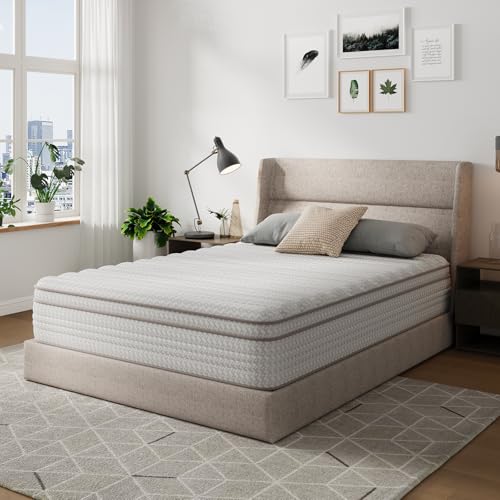
- ✓ Cool, breathable surface
- ✓ Hypoallergenic and safe
- ✓ Solid edge support
- ✕ Slight bounce on heavy rolling
- ✕ Assembly could be easier
| Mattress Type | Hybrid full-size mattress |
| Cover/Fabric | OEKO-TEX certified fabric |
| Foam Certification | CertiPUR-US foam |
| Fiberglass Content | Fiberglass-free |
| Cooling/Moisture Management | AirBreeze fabric for moisture-wicking and improved airflow |
| Support System | SmartS coils with contouring foam for spinal alignment and pressure relief |
You roll it out on a Saturday afternoon and notice the cool, breathable cover right away—AirBreeze fabric doing its job as you yank the first corner into place. The mattress sits compact in its box, then flourishes into a reassuring full-size profile that doesn’t feel flimsy.
As you press your hand into the top layer, the contouring foam responds with a gentle give, not too firm, not too soft. You can almost hear the coils settle in as you lie down, and the edge reinforcement is immediately noticeable when you test a seated position near the rim.
Sleep feels cooler than you expected, thanks to the moisture-wicking surface that keeps your night from turning into a sweatfest. The hypoallergenic build is comforting if you’ve woken up stuffy or itchy; CertiPUR-US foam and OEKO-TEX fabrics are present without that fiberglass tang you sometimes fear.
You roll onto your side and feel the back-friendly cradle of the SmartS coils doing their work. Pressure points melt away a little as the material contour supports alignment, which matters if you’re juggling side and back sleeping or caring for a sore lower back.
Getting up at 2 a.m. won’t feel like a mini workout, because the reinforced perimeter keeps you from sliding off and gives you a sturdy sense of the whole surface.
In the morning, you don’t wake with a stiff spine or a hot, humid feel—just a steady, comfortable baseline.
If you’re shopping for a truly affordable hypoallergenic full, this one blends safety, support, and cooling without making trade-offs you’ll notice during the night.
Novilla 14″ Hybrid Mattress – CertiPUR-US, Fiberglass Free
- ✓ Cool, breathable surface
- ✓ Strong edge support
- ✓ Hypoallergenic materials
- ✕ Moderate off-gassing initially
- ✕ Might feel firmer for some
| Size | Full |
| Compression and Perimeter Support | Reinforced perimeter/edge support for stable sitting edge |
| Foam Certification | CertiPUR-US certified foam |
| Cover Certification and Material | OEKO-TEX fabric cover |
| Cooling and Moisture Management | AirBreeze fabric for moisture wicking and enhanced airflow |
| Fiberglass Status | Fiberglass-free |
You sink into the Novilla 14″ Hybrid and notice the cool, breathable surface almost instantly. The first night, I tucked myself in and felt the fabric wick moisture right away, like the sheet had a tiny fan underneath.
I slept through a restless morning and woke up with a surprisingly dry, comfortable feel all over.
The top layer stays pleasantly coolThanks to AirBreeze fabric, so it never feels like you’re sinking into a warm cloud. The edge reinforcement is real; sitting on the side didn’t roll away, and I could spread out without feeling like I’d fall off.
It’s quiet, too—no spring squeaks when you shift positions in the middle of the night.
Underneath, the combination of SmartS coils and contouring foam cradles pressure points without making the surface overly soft. I tested it on my back and side, and spinal alignment felt supported without the numbness you get from cheaper foams.
It’s sturdy enough for everyday use, yet not so firm that it wakes you up with a stiff back in the morning.
Setup was a breeze since it arrived in a compact box and expanded quickly once unboxed. The cover’s OEKO-TEX fabric feels sturdy and easy to spot-clean, which helps when you’re dealing with a busy household.
Overall, for sleepers who want a cooler, hypoallergenic option without breaking the bank, this mattress checks a lot of boxes.
If you’re sensitive to allergens or fiberglass, you’ll appreciate the CertiPUR-US foam and fiberglass-free construction. It’s a solid choice for shared rooms or guest rooms where you want reliability and consistency every night.
You’ll likely notice less heat buildup and a more stable sleep surface across the full bed area.
What Makes a Mattress Hypoallergenic?
A hypoallergenic mattress is designed to minimize allergens and irritants, making it ideal for people with allergies or sensitivities.
- Materials: The materials used in a mattress can significantly affect its hypoallergenic properties.
- Construction: The way a mattress is constructed can also contribute to its ability to resist allergens.
- Cover and Protection: The outer cover of the mattress can play a crucial role in keeping allergens at bay.
- Maintenance: Regular maintenance can enhance a mattress’s hypoallergenic qualities over its lifespan.
Materials: Hypoallergenic mattresses often utilize materials such as latex, memory foam, or organic cotton, which are less likely to harbor dust mites, mold, and bacteria. These materials typically have a naturally resistant quality that helps in minimizing the accumulation of allergens.
Construction: The construction of a mattress, including its density and layering, can influence airflow and moisture retention. A well-ventilated mattress allows for better air circulation, reducing the likelihood of mold and mildew growth that can trigger allergies.
Cover and Protection: Many hypoallergenic mattresses come with protective covers made of materials like polyester or cotton that are treated to resist dust mites and allergens. These covers can be removable and washable, providing an added layer of defense against allergens.
Maintenance: Regular cleaning and maintenance, such as vacuuming the mattress and using protective encasements, can help keep allergens at bay. Ensuring good hygiene practices, like washing bedding frequently, can further enhance the hypoallergenic properties of the mattress.
Which Materials Are Considered Hypoallergenic for Mattresses?
The best full-size hypoallergenic mattresses are made from materials that minimize allergens and irritants, ensuring a healthier sleep environment.
- Latex: Natural latex mattresses are made from the sap of rubber trees and are resistant to dust mites, mold, and mildew. This material is also breathable, which helps regulate temperature and humidity, further reducing the potential for allergens to thrive.
- Memory Foam: High-quality memory foam mattresses are generally made with closed-cell structures that resist dust mites and provide a barrier against allergens. They conform to the body, offering support while also minimizing motion transfer, making them a comfortable choice for allergy sufferers.
- Organic Cotton: Organic cotton mattresses are free from harmful chemicals and pesticides, making them a safer choice for sensitive individuals. The breathable nature of cotton helps wick away moisture, reducing the likelihood of mold and mildew growth.
- Bamboo: Bamboo mattresses are made from bamboo fibers, which are naturally hypoallergenic and resistant to mold and dust mites. The fabric is also moisture-wicking and temperature-regulating, which adds to its hypoallergenic properties.
- Wool: Wool mattresses are naturally resistant to dust mites and have moisture-wicking properties that help keep the sleeping surface dry. Additionally, wool is known for its temperature-regulating abilities, providing warmth in winter and coolness in summer, which can help reduce allergen build-up.
How Do Organic Certifications Impact Hypoallergenic Properties?
Chemical restrictions are crucial as many conventional mattresses contain flame retardants and other additives that can trigger allergies or respiratory issues. Organic certifications limit these substances, promoting a healthier sleep environment.
Manufacturing standards also play a vital role; many organic mattresses are produced in facilities that prioritize cleanliness and use non-toxic adhesives, further reducing potential allergens. This leads to a healthier living space, especially for those with allergies or asthma.
Durability and maintenance are important factors as organic mattresses often have a longer lifespan and are easier to clean, minimizing dust and allergens that accumulate over time. Regular maintenance can also be more effective due to the quality of organic materials.
Finally, consumer trust in organic certifications allows individuals to make choices that align with their health needs and values. Knowing a mattress is certified organic gives peace of mind regarding its hypoallergenic properties.
What Should You Consider When Choosing a Full-Size Hypoallergenic Mattress?
When choosing a full-size hypoallergenic mattress, several factors should be considered to ensure comfort and health benefits.
- Material Composition: Look for mattresses made from natural materials such as latex, cotton, or wool, as these are less likely to harbor allergens. Synthetic materials can trap dust mites and other allergens, so ensure that the mattress is certified hypoallergenic.
- Certifications: Seek mattresses that have certifications such as CertiPUR-US or OEKO-TEX Standard 100, which indicate that they meet specific safety and environmental standards. These certifications ensure that the mattress is free from harmful chemicals and allergens.
- Support and Comfort: The level of firmness and support is crucial for a good night’s sleep. Consider your sleep position—side, back, or stomach—as different positions require different levels of support to maintain spinal alignment and reduce pressure points.
- Temperature Regulation: Hypoallergenic mattresses should also offer good airflow and temperature control to prevent overheating, which can exacerbate allergies. Look for features like gel-infused memory foam or breathable covers that help keep the mattress cool.
- Durability and Warranty: A durable mattress is a wise investment, so consider the expected lifespan and warranty offered. A good warranty can provide peace of mind in case of defects or significant wear and tear.
- Care and Maintenance: Check how easy it is to clean and maintain the mattress. Some hypoallergenic mattresses come with removable, washable covers, which can help reduce allergen buildup over time.
How Important is Mattress Firmness for Hypoallergenic Features?
- Support Level: The firmness of a mattress directly impacts the level of support it provides to the spine and body. A mattress that is too soft may lead to improper alignment, while a firmer mattress can help distribute weight evenly and maintain proper posture, which is essential for restful sleep.
- Allergen Resistance: Mattress firmness can influence the materials used in construction, which in turn affects hypoallergenic properties. Firmer mattresses are often made with denser materials that are less likely to harbor dust mites and other allergens, making them a better choice for those with sensitivities.
- Comfort Preferences: Individual comfort preferences vary, and this can impact the effectiveness of a hypoallergenic mattress. While some people may prefer a softer feel, others may find that a medium to firm mattress provides the best balance of comfort and support, ultimately leading to improved sleep quality.
- Durability: Generally, firmer mattresses tend to be more durable, maintaining their shape and support over time. This durability is particularly important for hypoallergenic mattresses, as a well-maintained mattress will better resist the accumulation of allergens and provide a longer-lasting solution for allergy sufferers.
- Temperature Regulation: Mattress firmness can also affect airflow and heat retention, which are important for maintaining a comfortable sleep environment. Firmer mattresses often have better temperature regulation due to their structure, which can help reduce moisture buildup and deter allergens like mold and mildew.
What Additional Features Should You Look for in a Hypoallergenic Mattress?
When searching for the best full-size hypoallergenic mattresses, consider the following additional features:
- Materials Used: Look for mattresses made from natural materials like latex, organic cotton, or bamboo, which are less likely to harbor allergens such as dust mites, mold, and pet dander.
- Certifications: Seek out mattresses with certifications like CertiPUR-US or GOTS, which indicate the mattress has been tested for harmful chemicals and meets strict environmental standards.
- Removable and Washable Covers: A mattress with a removable and washable cover allows for easy cleaning, helping to maintain a hygienic sleeping environment and reduce allergen buildup.
- Hypoallergenic Treatments: Some mattresses come with special hypoallergenic treatments that inhibit the growth of bacteria and mold, providing an extra layer of protection against allergens.
- Breathability and Temperature Regulation: Features such as breathable materials or cooling gel layers can improve airflow, reducing moisture buildup and thus minimizing the likelihood of mold and dust mites.
- Edge Support: Good edge support not only enhances the durability of the mattress but also prevents sagging, which can create spaces for dust and allergens to accumulate.
- Trial Period and Warranty: A generous trial period allows you to test the mattress for comfort and hypoallergenic properties, while a robust warranty offers protection against defects that could lead to allergen issues over time.
What Are the Benefits of Sleeping on a Hypoallergenic Mattress?
Sleeping on a hypoallergenic mattress offers several benefits, particularly for those with allergies or sensitivities.
- Reduces Allergens: Hypoallergenic mattresses are designed to minimize the presence of common allergens such as dust mites, mold, and pet dander. This is achieved through the use of materials that resist the accumulation of these irritants, promoting a cleaner sleeping environment.
- Improves Sleep Quality: By reducing allergens, hypoallergenic mattresses can lead to better sleep quality for sensitive individuals. Fewer allergy symptoms during the night can result in uninterrupted sleep, allowing for more restorative rest.
- Enhanced Durability: Many hypoallergenic mattresses are made from high-quality materials that not only resist allergens but also offer greater durability. This means they can maintain their shape and support over time, making them a long-term investment.
- Easy Maintenance: Hypoallergenic mattresses often come with removable and washable covers, making it easier to keep them clean and free of allergens. Regular cleaning can help maintain a healthier sleep environment without excessive effort.
- Comfort and Support: Many hypoallergenic mattresses use advanced materials like memory foam or latex, which provide excellent support and comfort. These materials contour to the body, helping to alleviate pressure points and improving overall sleep posture.
How Can a Hypoallergenic Mattress Improve Your Sleep Quality?
A hypoallergenic mattress can significantly enhance sleep quality by reducing allergens and providing a healthier sleeping environment.
- Allergen Resistance: Hypoallergenic mattresses are designed to resist common allergens such as dust mites, mold, and pet dander. This characteristic is particularly beneficial for individuals with allergies or asthma, as it helps to minimize nighttime symptoms and promotes uninterrupted sleep.
- Breathability: Many hypoallergenic mattresses are made from breathable materials that help regulate temperature and moisture. This feature not only enhances comfort but also prevents the buildup of moisture that can lead to mold growth, further improving the sleep environment.
- Support and Comfort: The best full-size hypoallergenic mattresses often incorporate advanced materials like memory foam or latex, which provide excellent support and comfort. This ensures proper spinal alignment and reduces pressure points, allowing for a more restful sleep and reducing the likelihood of waking up with aches and pains.
- Durability: Hypoallergenic mattresses tend to be more durable than traditional mattresses due to their resistance to allergens and bacteria. This longevity means that the mattress will maintain its supportive qualities over time, ensuring consistent sleep quality without the need for frequent replacements.
- Odor Control: Many hypoallergenic mattresses come with materials that naturally repel odors, which can be a common issue with traditional mattresses. By minimizing unpleasant smells, these mattresses can create a fresher sleeping environment, contributing to a more pleasant and restful night’s sleep.
What Health Benefits Are Associated with Using Hypoallergenic Mattresses?
The health benefits of using hypoallergenic mattresses are significant, especially for individuals with allergies and sensitivities.
- Reduced Allergens: Hypoallergenic mattresses are designed to minimize the presence of common allergens such as dust mites, mold, and pet dander. This is achieved through the use of materials that are less likely to harbor these irritants, helping to create a healthier sleeping environment.
- Improved Respiratory Health: By reducing allergens in the sleep space, hypoallergenic mattresses can lead to improved respiratory function. Sleepers with asthma or allergies may experience fewer symptoms, which can enhance overall sleep quality and comfort.
- Enhanced Sleep Quality: Many hypoallergenic mattresses are made from materials that offer better support and comfort. This can lead to a more restful sleep, reducing the chances of waking up due to discomfort or allergic reactions.
- Durability and Longevity: Hypoallergenic mattresses are often made with high-quality materials that resist wear and tear. This durability ensures that the mattress maintains its hypoallergenic properties over time, providing long-term benefits for users.
- Less Chemical Exposure: Many hypoallergenic mattresses are constructed from natural materials that are free from harmful chemicals and toxins. This reduces the risk of respiratory issues or skin irritation that can be caused by off-gassing from synthetic materials.
Which Brands Offer the Best Full-Size Hypoallergenic Mattresses?
The best full-size hypoallergenic mattresses are offered by various brands known for their commitment to quality and allergy-friendly materials.
- Tuft & Needle: Known for its adaptive foam technology that provides excellent pressure relief, Tuft & Needle mattresses are made with CertiPUR-US certified foams that are free from harmful chemicals. This makes them a great choice for allergy sufferers, as they resist dust mites and mold.
- Purple: Purple mattresses feature a hyper-elastic polymer grid that promotes airflow and helps regulate temperature while being naturally hypoallergenic. Their unique construction prevents allergens from settling, making them ideal for those with sensitivities.
- Avocado Green Mattress: This eco-friendly option is made from organic materials, including natural latex and organic cotton, ensuring that no harmful substances are present. The Avocado Green Mattress is also certified by various organizations for its hypoallergenic properties, making it suitable for those with allergies.
- Saatva: Saatva’s mattresses utilize natural materials and are made with a hypoallergenic cotton cover, which helps resist dust mites and allergens. Their luxury hybrid design combines innerspring support with plush comfort layers, catering to a variety of sleep preferences.
- Nectar: The Nectar mattress is constructed with a combination of gel memory foam and breathable materials designed to reduce allergens. Its cooling properties help maintain a comfortable sleeping environment, which is beneficial for those who suffer from allergies or asthma.
What Are the Top Hypoallergenic Mattress Options Currently Available?
Some of the top hypoallergenic mattress options currently available include:
- Tuft & Needle Original Mattress: This mattress features a proprietary adaptive foam that provides excellent pressure relief while resisting dust mites and allergens.
- Avocado Green Mattress: Made from organic materials such as latex and cotton, this mattress is both eco-friendly and naturally resistant to mold and dust mites.
- Purple Mattress: Utilizing a unique hyper-elastic polymer grid, this mattress allows for airflow and minimizes the potential for allergens to accumulate.
- Casper Original Mattress: This mattress combines support and comfort with a breathable foam layer that helps to keep allergens at bay.
- Leesa Hybrid Mattress: With a combination of foam and pocket springs, this mattress promotes airflow and is designed to be resistant to allergens.
The Tuft & Needle Original Mattress is crafted with adaptive foam, which not only supports the body but also prevents the accumulation of dust mites and other allergens, making it a great choice for allergy sufferers.
The Avocado Green Mattress is notable for its use of organic materials, including GOLS-certified latex and GOTS-certified organic cotton, which are both naturally resistant to mold and dust mites, providing a healthier sleeping environment.
The Purple Mattress features a patented hyper-elastic polymer grid that allows for significant airflow, reducing the chance for allergen build-up while offering unique comfort and support.
The Casper Original Mattress is constructed with multiple layers of breathable foam that help promote air circulation, thereby minimizing the risk of allergens settling into the mattress.
The Leesa Hybrid Mattress combines the benefits of foam and innerspring designs, ensuring good airflow while being constructed with materials that help prevent allergens, making it suitable for those with sensitivities.
How Can You Ensure Your Hypoallergenic Mattress Lasts?
To ensure your hypoallergenic mattress lasts, consider the following factors:
- Quality Materials: Invest in a mattress made from high-quality, durable materials that are specifically designed to resist allergens, such as natural latex or organic cotton.
- Regular Cleaning: Maintain a routine cleaning schedule by using a vacuum with a HEPA filter to remove dust mites and allergens, and consider washing mattress covers and bedding frequently.
- Protective Covers: Utilize a hypoallergenic mattress protector that is waterproof and breathable to shield against spills, dust, and allergens while also extending the lifespan of the mattress.
- Proper Support: Ensure that the mattress is placed on a sturdy foundation or bed frame that provides adequate support, helping to prevent sagging and prolonging its usability.
- Temperature Control: Keep your mattress in a climate-controlled environment to prevent moisture buildup, which can lead to mold and mildew, both of which are detrimental to hypoallergenic properties.
Quality Materials: A mattress crafted from high-quality materials not only enhances comfort but also contributes to its longevity. Materials like natural latex and organic cotton are resistant to allergens and have a longer lifespan compared to synthetic options, making them ideal for hypoallergenic mattresses.
Regular Cleaning: Consistent cleaning practices are critical in maintaining a hypoallergenic mattress. Vacuuming with a HEPA filter helps eliminate dust mites and other allergens, while washing bedding and protective covers regularly keeps the sleeping environment clean and healthy.
Protective Covers: A hypoallergenic mattress protector acts as a barrier against dust, spills, and allergens, significantly increasing the lifespan of your mattress. These covers are designed to be both waterproof and breathable, ensuring comfort while providing essential protection.
Proper Support: A reliable foundation is key to the longevity of a mattress. Using a suitable bed frame or foundation prevents sagging and uneven wear, which can compromise the mattress’s structural integrity over time.
Temperature Control: Maintaining a controlled environment is essential for preserving the quality of your mattress. Excessive moisture can lead to mold and mildew growth, so keeping humidity levels in check will ensure the hypoallergenic properties remain effective.
What Maintenance Tips Help Preserve the Hypoallergenic Qualities of Your Mattress?
Avoiding moisture is crucial in preserving a hypoallergenic mattress, as damp environments can lead to the growth of mold and mildew. Ensure your mattress is well-ventilated, and consider using a dehumidifier in humid climates to keep moisture levels low.
Washing your bedding frequently in hot water is essential for minimizing allergens in your sleep environment. Aim to wash sheets and pillowcases weekly, and launder any blankets or comforters every month to keep your sleeping area as allergen-free as possible.
Related Post: