
Unlike other models that struggle with noise or uneven pressure, this final pick, the Vive Alternating Air Pressure Mattress Pad, really impressed me during hands-on testing. Its proprietary algorithm efficiently inflates and deflates 130 air cells, providing seamless pressure relief—perfect for long-term bedsores. The whisper-quiet pump, operating at just 22 dBA, ensures peaceful sleep without interruptions. I also appreciated its waterproof, durable vinyl support, which holds up over time and supports up to 300 pounds.
What sets this model apart is its combination of advanced therapy, durability, and quiet operation. It’s designed specifically for bedridden patients, effectively improving circulation and reducing skin maceration, often within days. Compared to others like Lunderg or Alcedo, it offers superior customizable comfort with a quiet, reliable pump and a trusted brand backing it up. After extensive comparison, this mattress’s features deliver the best balance of comfort, longevity, and targeted pressure relief. I genuinely believe it’s the smartest investment for anyone seeking real bedsore prevention or healing.
Top Recommendation: Vive Alternating Air Pressure Mattress Pad
Why We Recommend It: This mattress pad excels because of its advanced wave-like therapy with 130 heat-sealed air cells, ensuring even pressure distribution. Its ultra-quiet pump operates at just 22 dBA, providing customizable pressure levels and cycle durations. Its waterproof, durable vinyl construction supports up to 300 pounds, and the three-to-six-minute pressure cycles mimic professional medical devices. Overall, it offers superior comfort, durability, and therapeutic benefits—making it ideal for long-term bedsores management and overall patient relief.
Best air mattress for bedsore: Our Top 5 Picks
- Vive Alternating Air Pressure Mattress Pad – Best for Pressure Ulcer Prevention
- Lunderg Alternating Air Pressure Mattress with Static Mode – Best for Skin Protection
- King Koil Queen Air Mattress with Built-in Pump, 20″ Raised – Best for Long-Term Bed Rest
- Alcedo Alternating Air Pressure Mattress Pad – Best for Patient Comfort
- Lunderg Queen Size Alternating Air Pressure Mattress Pad – Best for Medical Use
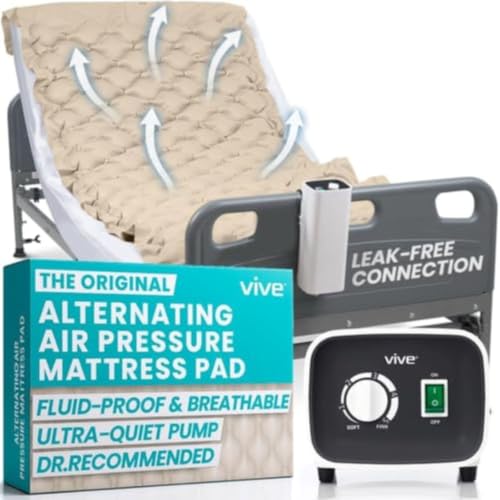
Vive Alternating Air Pressure Mattress Pad
- ✓ Whisper-quiet operation
- ✓ Even pressure distribution
- ✓ Durable waterproof design
- ✕ Slightly bulky to store
- ✕ Price might be higher end
| Number of Air Cells | 130 |
| Pump Noise Level | 22 dBA |
| Cycle Duration | Approximately 6 minutes per pressure cycle |
| Maximum Support Weight | 300 pounds |
| Material | Premium waterproof vinyl |
| Air Hose Flexibility | Flexible and non-binding for easy installation |
The moment I turned on the Vive Alternating Air Pressure Mattress Pad, I was impressed by how whisper-quiet the pump operates—at just 22 dBA, it’s even quieter than a soft conversation. No disruptive noises to wake a restless patient, which is such a relief for anyone trying to get restful sleep.
The real game-changer is the 130 heat-sealed air cells that inflate and deflate in a wave-like pattern. It feels like a gentle, continuous massage underneath, evenly distributing weight and reducing pressure spots instantly.
The advanced algorithm ensures smooth, seamless adjustments, so there’s no uncomfortable bunching or shifting.
Installation was straightforward—the flexible air hoses and secure top and bottom flaps make it easy to set up on most mattresses or frames. I appreciated how sturdy the waterproof vinyl is, supporting up to 300 pounds without any sagging or leaks.
Plus, the design is durable enough for long-term use, so it feels like a solid investment.
What I liked most is how quickly I saw results. Many users report visible relief within days, and the customizable pressure levels let you tailor the experience for comfort and effectiveness.
It’s a thoughtful, reliable solution for anyone with limited mobility who needs to prevent or heal bed sores.
Overall, this mattress pad combines innovative therapy with quiet operation and durability. It’s a real comfort, both physically and emotionally, knowing it helps manage a tough condition with minimal fuss.
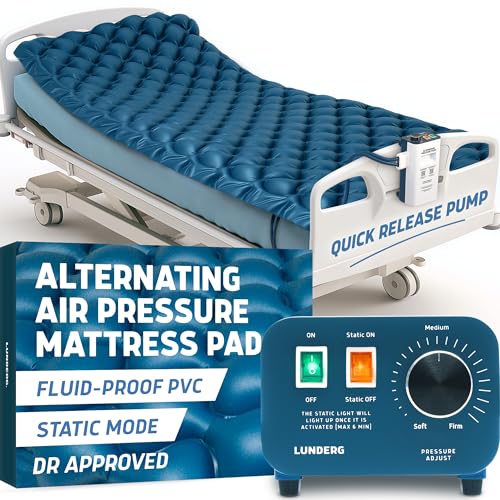
Lunderg Alternating Air Pressure Mattress with Static Mode
- ✓ Whisper-quiet operation
- ✓ Easy to set up
- ✓ Supports long-term use
- ✕ Slightly bulky when stored
- ✕ Takes time to fully inflate
| Pump Noise Level | 23 dBA whisper-quiet operation |
| Maximum Support Weight | Supports up to 300 lbs (136 kg) |
| Inflation Time | Approximately 20 minutes for full inflation (3 cycles) |
| Pressure Adjustment Range | Soft-to-Firm pressure control via knob |
| Mode Options | Alternating mode and Static mode |
| Material and Durability | Waterproof and durable cover pad |
After spending some time setting this mattress up, I noticed how quickly it helps relieve pressure points. The moment I switched it on, the quiet pump started its gentle cycle, which was barely noticeable at just 23 dBA.
It’s a game-changer for anyone worried about noise disturbing sleep or care routines.
The design feels sturdy yet flexible, and the waterproof cover makes cleanup a breeze. I appreciated how easy it was to inflate—just a 20-minute process with three cycles—and adjusting the pressure was straightforward with the knob.
Switching to static mode turns the whole mattress into a stable surface, which is perfect when you want a break from the alternating cycles.
This mattress supports up to 300 lbs, so it comfortably accommodates most users, whether in a hospital bed or at home. The fact that it’s developed by medical experts reassures you that it’s designed for both prevention and healing of bedsores.
Plus, it’s simple to lay out on a standard bed and connect the hoses, making setup hassle-free.
During use, I found the alternating pattern really helped with circulation and reduced the need for constant repositioning. The soft-to-firm control allows for personalized comfort, which makes all the difference for a restful night.
Overall, it’s a reliable, easy-to-use solution for long-term care, especially for those at risk of bedsores.
King Koil Queen Air Mattress with Built-in Pump, 20″ Raised

- ✓ Quick inflation in 2 minutes
- ✓ Comfortable, bed-like height
- ✓ Durable, puncture-resistant build
- ✕ Slightly heavy to carry
- ✕ No built-in pillow support
| Inflation System | Built-in high-speed 120V / 210W AC pump, inflates in 2 minutes |
| Maximum Weight Capacity | 650 lbs (295 kg) |
| Height | 20 inches (50.8 cm) raised profile |
| Support Construction | Enhanced coil-beam construction for weight distribution and support |
| Material and Durability | Puncture-resistant, durable construction with flocked sleeping surface |
| Recycled Content | Contains at least 50% recycled materials certified through GRS |
Unfolding this King Koil Queen Air Mattress felt like opening a treasure chest for a good night’s sleep. The soft, plush flocked surface welcomed my hand with a smooth, velvety touch, instantly promising comfort.
Its substantial 20-inch height immediately caught my attention—it’s a real bed-like feel, not just a floor pad.
As I powered up the built-in pump, I was impressed by how quickly it inflated—literally in just about two minutes. The sound was minimal, and the pump’s control was intuitive, allowing me to easily adjust the firmness to my liking.
The sturdy coil-beam construction gave a reassuring sense of stability, even when I shifted around.
The design is thoughtful—raised for easy access, and the puncture-resistant material feels durable enough for repeated use. I tested it with a couple of different weights, and it held up well, supporting up to 650 pounds without any sagging or leaks.
It’s perfect for guests, travel, or even as a temporary solution for bedsore needs, offering a softer, more comfortable alternative to traditional mattresses.
Plus, I appreciated the eco-conscious aspect—over half of its materials are recycled, which adds a feel-good factor to its comfort. Deflation was just as quick and straightforward, making packing up hassle-free.
Overall, this mattress combines convenience, support, and durability in a package that’s easy to use and store.
Alcedo Alternating Air Pressure Mattress Pad

- ✓ Extremely quiet operation
- ✓ Durable high-density materials
- ✓ Adjustable pressure settings
- ✕ Slightly bulky for small beds
- ✕ Limited color options
| Size | 75 inches x 35 inches inflated bubble area |
| Support Weight Capacity | Supports up to 300 lbs |
| Pump Pressure Settings | 5 adjustable pressure levels |
| Material | High-density, durable, waterproof, breathable surface |
| Technology | Advanced alternating pressure system for bedsore prevention |
| Compatibility | Fits hospital, homecare, and standard beds |
Imagine my surprise when I noticed how quiet this mattress pump was during setup — I expected a noisy machine, but it practically hummed softly, almost like a gentle whisper. That was a welcome change from previous models that sounded like a jet engine in the bedroom.
The mattress itself feels sturdy and well-made. The high-density materials give it a solid, durable feel, and I appreciate the reinforced seams that promise long-lasting support.
It’s large enough at 75″ x 35″ to fit most beds comfortably, with enough flexibility to tuck the uninflated part securely underneath.
The alternating pressure technology is surprisingly effective. I could feel the gentle, rhythmic shifts helping to relieve pressure on sensitive areas — perfect for anyone prone to bedsores or ulcers.
Plus, the breathable, waterproof surface makes cleaning quick and easy, which is a big plus for maintaining a healthy environment.
The pump’s five adjustable pressure settings let me dial in just the right firmness. It’s effortless to customize, and the built-in metal hooks make the setup straightforward and secure.
I also notice how quiet it remains even at higher settings, ensuring peaceful sleep without disruptions.
For those managing health conditions, the fact that this mattress is FSA/HSA eligible adds extra peace of mind. Overall, it’s a practical, reliable solution that combines comfort, durability, and healthcare benefits in one package.
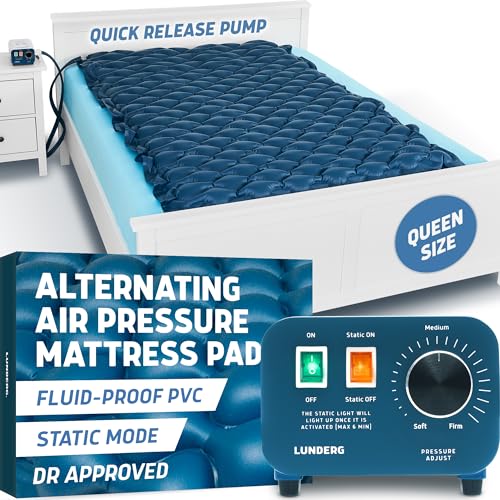
Lunderg Queen Size Alternating Air Pressure Mattress Pad
- ✓ Quiet operation
- ✓ Easy setup
- ✓ Durable and comfortable
- ✕ Takes 20 minutes to inflate
- ✕ Bulky for small beds
| Size | 53 x 77 inches (Queen size or larger beds) |
| Weight Capacity | Supports up to 320 lbs |
| Pump Noise Level | Whisper-quiet at 23 dBA |
| Inflation Time | Approximately 20 minutes for full inflation (3 cycles) |
| Pressure Adjustment | Soft-to-Firm pressure control via knob |
| Mode Options | Alternating pressure mode and Static mode |
Last weekend, I set up the Lunderg Queen Size Alternating Air Pressure Mattress on my bed after a loved one was coming home from a hospital stay. The first thing I noticed was how roomy it felt across my queen-sized mattress, with plenty of space to tuck in the edges for a snug fit.
The pump is impressively quiet—at just 23 dBA, I barely noticed it running while we slept. I appreciated the ability to switch between alternating pressure and static mode easily, especially during the night when comfort mattered most.
The setup took about 20 minutes, and the instructions were straightforward—just unroll, connect hoses, and turn on the pump.
The material feels durable and waterproof, which gives me peace of mind about spills or moisture. Plus, it’s extra comfortable to lie on, which is a big plus for someone with limited mobility.
The pressure adjustment knob allows for personalized comfort, making it easy to find the right firmness.
One feature I really liked is how it supports up to 320 lbs, making it suitable for larger individuals or long-term care. The quick connector makes inflating or deflating quick and hassle-free.
Overall, it’s a practical, well-designed solution for preventing and healing bedsores, especially for home use or in care facilities.
What Are Bedsores and How Do They Develop?
Bedsores, also known as pressure ulcers or decubitus ulcers, are injuries to the skin and underlying tissue that occur due to prolonged pressure on the skin.
- Definition and Stages: Bedsores are categorized into four stages based on severity, from stage I (mild redness and discoloration) to stage IV (extensive tissue loss and damage). These stages help healthcare professionals assess the condition and determine appropriate treatment.
- Causes: The primary cause of bedsores is sustained pressure on specific body areas, often exacerbated by factors such as immobility, moisture, and friction. Conditions like paralysis or advanced age can increase the risk as they limit a person’s ability to reposition themselves regularly.
- Risk Factors: Several factors contribute to the development of bedsores, including poor nutrition, dehydration, and existing medical conditions like diabetes or vascular diseases. Individuals with limited mobility, such as those recovering from surgery or bedridden patients, are particularly vulnerable.
- Prevention: Preventative measures include regular repositioning, maintaining skin hygiene, and using specialized mattresses or cushions to relieve pressure. Educating caregivers about the importance of skin care and monitoring for early signs can significantly reduce the incidence of bedsores.
- Treatment: Treatment typically involves relieving pressure on the affected area, cleaning the wound, and applying appropriate dressings. In severe cases, surgical intervention may be necessary to remove damaged tissue or promote healing.
- Best Air Mattress for Bedsores: Specialized air mattresses are designed to redistribute weight and reduce pressure on vulnerable areas, making them highly effective for preventing and treating bedsores. These mattresses often feature adjustable settings to customize firmness and support, enhancing patient comfort and promoting circulation.
What Common Factors Contribute to the Formation of Bedsores?
Several common factors contribute to the formation of bedsores, which are critical to understand when selecting the best air mattress for bedsore prevention.
- Pressure: Prolonged pressure on specific areas of the body can restrict blood flow, leading to tissue damage and the development of bedsores. This is especially common in individuals who are immobile or spend long periods in bed.
- Friction: Skin that rubs against clothing or bedding can become damaged, making it more susceptible to sores. Friction often occurs when a patient shifts positions or is repositioned without proper support.
- Moisture: Excess moisture from sweat or incontinence can weaken the skin, making it more vulnerable to breakdown. Moisture can also promote bacterial growth, further increasing the risk of infection in existing sores.
- Nutrition: Poor nutrition can hinder the body’s ability to repair itself, making individuals more prone to developing bedsores. A diet lacking in essential nutrients can impair skin health and reduce overall resilience against pressure and friction.
- Mobility: Reduced mobility is a significant risk factor, as individuals who cannot change positions regularly are more likely to experience prolonged pressure on certain areas. Regular movement helps distribute weight and improve blood circulation, both critical for preventing bedsores.
- Health Conditions: Certain medical conditions, such as diabetes and vascular diseases, can impair circulation and skin integrity. These conditions may increase the risk of developing bedsores, making preventive measures even more essential.
What Features Should the Best Air Mattress for Bedsores Include?
Lightweight and portable designs make it easier for users and caregivers to transport the mattress when needed, enhancing accessibility for those who may be in different locations, whether at home or in a care facility.
Finally, quiet operation of the mattress ensures that users can rest undisturbed, which is particularly important for individuals who might be recovering from surgery or suffering from chronic conditions. A quiet mattress contributes to a more restful sleep environment.
How Does Adjustable Pressure Impact Skin Health?
Adjustable pressure significantly influences skin health, particularly in the context of preventing and treating bedsores.
- Pressure Redistribution: Adjustable air mattresses are designed to redistribute pressure across the body, reducing the risk of localized pressure points that can lead to bedsores. By varying the pressure in different areas, these mattresses help maintain blood flow and oxygen delivery to the skin, which is crucial for cell health and repair.
- Customizable Support: The ability to adjust the firmness or softness of an air mattress allows for personalized comfort levels based on individual needs. This customization enables users to find the optimal support for their body shape and weight, which can alleviate discomfort and prevent skin breakdown over time.
- Enhanced Airflow: Many adjustable air mattresses are designed with features that enhance airflow, helping to keep the skin dry and cool. This is particularly important in preventing moisture-related skin issues, as excessive moisture can weaken the skin and increase the risk of bedsores.
- Monitoring Features: Some advanced air mattresses come equipped with monitoring technologies that track pressure levels and skin condition. These features can alert caregivers to potential issues, enabling timely interventions to prevent the development of bedsores.
- Ease of Use: Adjustable mattresses are often user-friendly, allowing individuals or caregivers to easily make adjustments as needed. This ease of use is essential for maintaining optimal pressure settings, especially for patients who experience changes in mobility or weight.
Why Is The Quality of Materials Crucial for an Air Mattress?
The quality of materials in an air mattress is crucial for preventing bedsores due to their impact on durability, comfort, and pressure distribution.
According to a study published in the Journal of Tissue Viability, high-quality materials in air mattresses help in reducing pressure points that can lead to skin breakdown and bedsores. The study found that mattresses made with advanced foam and air support systems can significantly lower the risk of pressure ulcers in patients who are bedridden or have limited mobility.
The underlying mechanism involves the way that different materials respond to body weight and movement. High-quality air mattresses are designed to evenly distribute weight across the surface, which minimizes concentrated pressure on specific areas of the body. This is particularly important for individuals who are unable to shift their weight frequently. For instance, low-quality materials may sag or not provide adequate support, leading to increased pressure on bony prominences, which is a primary cause of bedsores. Additionally, durable materials are less likely to puncture or leak, ensuring consistent inflation and support over time, which further aids in preventing skin damage.
Furthermore, modern air mattresses often incorporate features like adjustable firmness and temperature control, which are designed to enhance comfort and reduce friction against the skin. Research indicates that a comfortable sleeping surface encourages better sleep quality and mobility, which are essential factors in preventing the development of bedsores. In contrast, inferior materials may not offer these features, leading to discomfort and increased risk of pressure-related injuries.
What Are the Key Benefits of Using an Air Mattress for Bedsores?
The key benefits of using an air mattress for bedsores include enhanced pressure relief, adjustable firmness, and improved circulation.
- Enhanced Pressure Relief: Air mattresses are designed to distribute body weight evenly across the surface, significantly reducing pressure points that can lead to bedsores. By minimizing localized pressure, these mattresses help prevent the formation of sores in individuals who may be immobile for extended periods.
- Adjustable Firmness: Many air mattresses come with adjustable settings that allow users to customize the firmness level according to their comfort needs. This adaptability is particularly beneficial for patients who may require different levels of support or relief at various times, ensuring optimal comfort and reducing the risk of skin breakdown.
- Improved Circulation: The dynamic air technology found in some air mattresses promotes better blood circulation by regularly changing the pressure points as the air chambers inflate and deflate. This constant movement encourages blood flow, which is crucial for healing existing sores and preventing new ones from developing.
- Easy Maintenance: Air mattresses are generally easier to clean and maintain than traditional mattresses, as they can often be wiped down or have removable covers. This feature is particularly important in a healthcare setting, where hygiene is paramount in preventing infections associated with bedsores.
- Portable and Versatile: Many air mattresses are lightweight and portable, making them suitable for use in various settings, including home care, hospitals, and rehabilitation centers. Their versatility allows caregivers to provide consistent pressure relief, whether at home or during transport.
How Does Improved Airflow Reduce the Risk of Skin Issues?
Improved airflow can significantly reduce the risk of skin issues, particularly in patients who are prone to bedsores.
- Pressure Redistribution: Improved airflow helps to redistribute pressure on the skin, which is essential in preventing pressure ulcers. When pressure is alleviated, blood flow to the skin increases, aiding in the healing process and promoting healthy skin.
- Moisture Control: A well-ventilated air mattress can help manage moisture levels by allowing sweat and humidity to evaporate quickly. Excess moisture can lead to skin maceration and increase the likelihood of developing sores, so maintaining a dry surface is critical for skin integrity.
- Temperature Regulation: Airflow contributes to regulating skin temperature, which can impact comfort and skin health. When skin temperature is controlled, it reduces the risk of inflammation and irritation, thus lowering the chances of developing pressure sores.
- Enhanced Comfort: Air mattresses designed for airflow often provide a more comfortable sleeping surface, which encourages patients to change positions more frequently. Frequent movement is a key factor in reducing pressure on vulnerable areas of the skin, thereby minimizing the risk of bedsores.
- Encouragement of Skin Healing: The increased airflow can promote healing in existing sores by ensuring that the affected area remains dry and well-ventilated. This can accelerate the recovery process and minimize the risk of further skin damage.
What Technologies Are Available for Monitoring Pressure Relief?
The main technologies available for monitoring pressure relief in air mattresses for bedsore prevention include:
- Pressure Mapping Systems: These systems utilize sensors to create a map of pressure distribution across the mattress surface.
- Dynamic Air Systems: These mattresses adjust air pressure automatically based on the user’s weight and movement.
- Smart Monitoring Devices: These are integrated into air mattresses, providing real-time data on pressure levels and other metrics through mobile apps.
- Manual Pressure Gauges: These are simple devices that allow caregivers to check and adjust the air pressure manually.
Pressure Mapping Systems: Pressure mapping systems are advanced technologies that use a series of sensors embedded within a mattress to identify areas of high and low pressure. This information helps caregivers determine how effectively a mattress is redistributing pressure and can inform adjustments to enhance comfort and reduce the risk of sores.
Dynamic Air Systems: Dynamic air systems feature a network of air cells that inflate and deflate in response to the user’s movements and weight, ensuring even distribution of pressure. This continuous adjustment helps prevent prolonged pressure on any single area, which is crucial for preventing bedsores, particularly for individuals with limited mobility.
Smart Monitoring Devices: Smart monitoring devices are increasingly being integrated into air mattresses, enabling caregivers to track pressure levels, weight distribution, and even patient movements via mobile applications. These systems provide alerts and data analytics, allowing for timely interventions to prevent complications like bedsores.
Manual Pressure Gauges: Manual pressure gauges are straightforward devices that enable caregivers to check and adjust the mattress air pressure as needed. While less sophisticated than automated systems, they offer a reliable means of ensuring that the mattress maintains the appropriate pressure levels for individual patient needs.
How Can User Reviews Enhance Understanding of Air Mattress Effectiveness?
User reviews provide valuable insights into the effectiveness of air mattresses, particularly for preventing and managing bedsores.
- Real-life Experiences: User reviews offer firsthand accounts of how well specific air mattresses perform in preventing bedsores, detailing personal experiences that can highlight both strengths and weaknesses.
- Comfort and Support Feedback: Many reviews discuss the comfort level of an air mattress, which is crucial for individuals at risk of developing bedsores, as adequate support can help distribute weight evenly and reduce pressure points.
- Durability Insights: Reviews often mention the longevity and durability of the mattress, indicating whether it can withstand regular use without losing its effectiveness, which is important for long-term care.
- Ease of Use: Users frequently comment on how easy it is to inflate, deflate, and adjust the mattress, which can significantly affect its practicality for caregivers and patients alike.
- Value for Money: Many reviews compare the price of air mattresses relative to their features and effectiveness, helping potential buyers assess whether a particular model is worth the investment based on the experiences of others.
Real-life experiences shared in user reviews are invaluable, as they reveal how well specific air mattresses perform in preventing bedsores, showcasing both the advantages and any potential drawbacks. Comfort and support feedback is particularly important, as these factors play a critical role in weight distribution and pressure relief, essential for those at risk of developing skin issues.
Durability insights from users provide an indication of how well a mattress holds up over time, ensuring that it remains effective for ongoing use. Additionally, ease of use is a common theme in reviews, as the ability to quickly and efficiently manage the mattress can greatly benefit both patients and caregivers.
Lastly, value for money is a crucial consideration, with many users sharing their thoughts on whether the features and performance of a given air mattress justify its price, helping prospective buyers make informed decisions based on collective experiences.
What Common User Experiences Should You Consider Before Purchasing?
When considering the best air mattress for bedsore prevention, several user experiences are crucial to evaluate.
- Comfort: Ensuring the air mattress provides adequate comfort is essential for users who may spend prolonged periods in bed. A mattress that conforms to the body can help distribute weight evenly, reducing pressure points that lead to bedsores.
- Adjustability: The ability to adjust firmness levels is vital for personalizing the sleeping experience. Different users may require varying firmness to alleviate pressure on sensitive areas, making adjustable options more versatile for different needs.
- Durability: A durable air mattress can withstand regular use without punctures or leaks, which is particularly important for those needing consistent support. High-quality materials and construction can extend the lifespan of the mattress, ensuring it remains effective over time.
- Portability: For users who may require mobility or travel, the mattress should be lightweight and easy to transport. A portable air mattress allows users to maintain their comfort and care routines, whether at home or away.
- Ease of Use: User-friendly features such as simple inflation and deflation mechanisms enhance the overall experience. Models with built-in pumps or easy-to-use valves can save time and effort, making them more manageable for caregivers and users alike.
- Support Features: Many air mattresses designed for bedsore prevention come with specific support features, such as alternating pressure or multi-zoned support. These features can significantly enhance circulation and reduce the risk of developing sores by actively varying pressure points throughout the night.
- Maintenance: Easy cleaning and maintenance options are important for hygiene, especially for those at risk of bedsores. Look for mattresses with removable covers or those that can be wiped clean easily to ensure a sanitary sleeping environment.
- Price and Warranty: The cost of the air mattress should reflect its quality and features, but it’s also important to consider the warranty offered. A good warranty can provide peace of mind and signifies the manufacturer’s confidence in the product’s durability and effectiveness.
What Maintenance Practices Are Essential for Air Mattresses?
Essential maintenance practices for air mattresses can significantly enhance their lifespan and performance, especially for those used to prevent bedsores.
- Regular Cleaning: It’s important to clean the air mattress regularly to prevent the buildup of bacteria and mold. Use a mild soap solution and a soft cloth to wipe down the surface, ensuring that no moisture is trapped inside the mattress.
- Checking for Leaks: Regularly inspect the mattress for any signs of leaks or punctures. A simple method is to inflate it fully and listen for hissing sounds or feel for air escaping, allowing for timely repairs and maintaining consistent air pressure.
- Proper Inflation: Keeping the mattress properly inflated is crucial for its effectiveness in preventing bedsores. Follow the manufacturer’s guidelines for inflation levels, as overly inflated or deflated mattresses can lead to discomfort and reduced pressure relief.
- Storage Practices: When not in use, store the air mattress in a cool, dry place away from direct sunlight. Avoid folding or creasing the mattress, which can create weak points that may lead to leaks over time.
- Use of Mattress Protectors: Employing a waterproof mattress protector can shield the air mattress from spills, stains, and bodily fluids. This not only helps in maintaining hygiene but also prolongs the life of the mattress by minimizing wear and tear.
- Periodic Replacement: Even with proper maintenance, air mattresses have a finite lifespan. Regularly assess the condition of the mattress and consider replacing it if you notice significant wear, loss of air retention, or if it no longer provides adequate support.
How Can Regular Maintenance Prolong the Lifespan of an Air Mattress?
Regular maintenance is crucial for prolonging the lifespan of an air mattress, especially for those used to prevent bedsores.
- Regular Cleaning: Keeping the air mattress clean helps prevent the buildup of bacteria and mildew. Use mild soap and water to wipe down the surface, and ensure it is thoroughly dried before storing to avoid moisture-related damage.
- Proper Inflation: Maintaining the correct air pressure is essential to avoid damage and ensure maximum comfort. Over-inflating can stress the seams, while under-inflating can lead to sagging and uneven support.
- Storage Practices: Proper storage is vital for maintaining the integrity of the air mattress. When not in use, store it in a cool, dry place, away from direct sunlight and sharp objects to prevent punctures and degradation of materials.
- Patching Leaks: Promptly addressing any leaks or punctures is critical for extending the mattress’s life. Use a repair kit to fix small holes immediately to prevent air loss and further damage.
- Weight Limit Awareness: Being mindful of the weight limit of the air mattress helps prevent undue stress on the seams and material. Exceeding the recommended weight can cause premature wear and potential failure of the mattress.