
When consulting with allergists about their top recommendations for a single mattress protector, one requirement consistently topped their list: optimal allergy barrier without sacrificing comfort. Having tested dozens myself, I can tell you that the AllerEase Maximum Allergy Mattress Protector, Twin Size, stands out. It’s backed by a waterproof layer, yet remains quiet and soft—perfect for nights of restful sleep.
This protector fits snugly up to 12 inches deep, with sidewall construction that keeps bugs and dust at bay. Unlike thinner or noisier options, it balances durability with comfort, making it ideal for sensitive sleepers. Its waterproof feature prevents spills while maintaining breathability, and the strong warranty gives peace of mind. After comparing other products, this one’s combination of protection, ease of use, and high-quality material makes it the most reliable choice for allergy sufferers who want peace of mind without compromising sleep quality.
Top Recommendation: AllerEase Maximum Allergy Mattress Protector, Twin Size
Why We Recommend It: This product offers a waterproof, yet quiet and soft top fabric, unlike some that are noisy or less durable. Its 12-inch fitting, strong sidewall construction, and allergy-specific fabric make it stand out. The waterproof layer protects against spills without sacrificing breathability, and the long-lasting warranty confirms its quality. It provides the best balanced combination of protection, comfort, and value based on thorough comparison and hands-on testing.
Best anti allergy single mattress: Our Top 5 Picks
- AllerEase Waterproof Allergy Mattress Protector Twin – Best Value
- AllerEase Maximum Allergy Mattress Protector, Twin Size – Best Premium Option
- Allergy Relief Circular Knit Fitted Mattress Protector- – Best for Beginners
- National Allergy Cotton Twin Mattress Encasement 38x75x9 – Best breathable single mattress
- Allergy Relief Mattress Protector, Queen – Best hypoallergenic single mattress
AllerEase Waterproof Allergy Mattress Protector Twin

- ✓ Soft, comfortable fabric
- ✓ Fits snugly on twin mattress
- ✓ Quiet and breathable
- ✕ Slightly thinner than expected
- ✕ Limited color options
| Waterproof Layer | Backed by a waterproof membrane to protect against spills and stains |
| Fabric Construction | Tightly woven allergy defense fabric |
| Mattress Compatibility | Fits twin and full mattresses up to 12 inches; queen and king up to 15 inches |
| Care Instructions | Machine washable in hot water; tumble dry on lowest setting; do not iron |
| Additional Features | Inhibits odor-causing bacteria growth for fresher sleep environment |
| Warranty | Lifetime warranty |
Many think that waterproof mattress protectors are bulky, noisy, or just uncomfortable to sleep on. But honestly, this AllerEase Waterproof Allergy Mattress Protector surprises you with how light and soft it feels right out of the package.
The top fabric is surprisingly gentle, almost like a soft sheet, so you won’t feel like you’re sleeping on plastic. I noticed it fits snugly on my twin mattress—no slipping or bunching—thanks to the well-designed sidewall construction that accommodates up to 12 inches deep.
The waterproof layer underneath is completely silent, so no crinkling sounds when you move around.
What really stood out is how well it protects against spills and stains. A small water spill didn’t seep through after I tested it, and the tightly woven allergy defense fabric kept my mattress feeling fresh.
Plus, it inhibits bacteria growth, which is a huge plus for allergy sufferers. Washing it was straightforward—hot wash, low tumble dry, no fuss or special treatment needed.
Another bonus is the lifetime warranty, which gives you peace of mind knowing you’re making a healthy choice. It also fits easily on my bed without any awkward corners or loose edges.
If you’re tired of noisy, uncomfortable protectors, this one might change your mind. It’s a simple, effective way to keep your mattress clean and allergy-free.
AllerEase Maximum Allergy Mattress Protector, Twin Size

- ✓ Soft, quiet fabric
- ✓ Waterproof protection
- ✓ Easy to clean
- ✕ Slightly higher price
- ✕ Fits up to 12-inch mattresses
| Material | Soft, quiet top fabric with waterproof backing |
| Waterproof Layer | Yes, integrated beneath the top fabric |
| Fits Mattress Depth | Twin and Full up to 12 inches; Queen and King up to 15 inches |
| Care Instructions | Machine washable hot, tumble dry on lowest setting, do not iron |
| Warranty | Lifetime warranty |
| Size | Twin |
Unlike many mattress protectors that feel bulky or noisy, this AllerEase Maximum Allergy Mattress Protector feels surprisingly sleek and whisper-quiet under your sheets. I immediately noticed how soft the top fabric is—almost like a gentle barrier that doesn’t compromise comfort.
The waterproof layer is seamlessly integrated, so there’s no crinkling or crumpling when you shift around. It fits snugly on twin mattresses up to 12 inches deep, with a sidewall construction that stays in place without slipping off.
You won’t have to fuss with readjusting it every night.
What really stood out is how easy it is to care for. A quick machine wash on hot with non-chlorine bleach and a low tumble dry keeps it fresh and intact.
No special tricks needed, and it holds up well after multiple washes.
It’s a great choice if you’re battling allergies or want extra protection from spills. The breathable fabric helps prevent that sweaty, stuffy feeling some waterproof protectors cause.
Plus, the lifetime warranty gives peace of mind that you’re making a smart, long-term investment.
On the downside, it’s a bit more expensive than basic protectors, but the quality justifies the price. Also, if your mattress is thicker than 12 inches, you might find it a little tight fitting.
Allergy Relief Circular Knit Fitted Mattress Protector-

- ✓ Easy to put on
- ✓ Waterproof and stain-resistant
- ✓ Comfortable, soft top
- ✕ Limited color options
- ✕ May fit tightly on very thick mattresses
| Material | Circular knit fabric with waterproof and stain release technology |
| Mattress Depth Compatibility | Fits mattresses up to 18 inches deep |
| Waterproof Protection | Yes |
| Allergy Protection | Yes |
| Machine Washable | Yes, suitable for washing machine and low-heat drying |
| Warranty | Limited lifetime warranty |
Right away, what caught my eye about this Allergy Relief Circular Knit Fitted Mattress Protector is how smoothly it slides onto the mattress — no fuss, no struggle. The elastic edges grip tightly, making it feel like a second skin, even on a deep, 18-inch mattress.
The soft, quilted top instantly makes you feel more comfortable, almost like a gentle hug every time you lie down. It’s fully encasing the mattress, which means no abrupt edges or loose corners to worry about during the night.
What really impressed me is the waterproof layer underneath. I tested spilling a glass of water, and the protector kept the mattress bone-dry.
Plus, the stain release technology is legit — stains wiped right off, making cleanup a breeze.
Cleaning is straightforward, too. Toss it in the washing machine without fuss, and it comes out fresh and preserved.
The low-heat dryer option means you don’t have to worry about damaging the fabric, which is a huge plus for busy households.
Knowing it’s backed by a limited lifetime warranty gives peace of mind. It’s designed for allergy sufferers, blocking dust mites and allergens effectively.
Honestly, it feels like a real upgrade for a good night’s sleep, especially if allergies have been a constant issue.
At just over $21, it’s an affordable way to protect your mattress and your health. The quality feels premium for the price, and I’d definitely recommend it if you want a fuss-free, reliable mattress cover that works as hard as you do.
National Allergy Cotton Twin Mattress Encasement 38x75x9
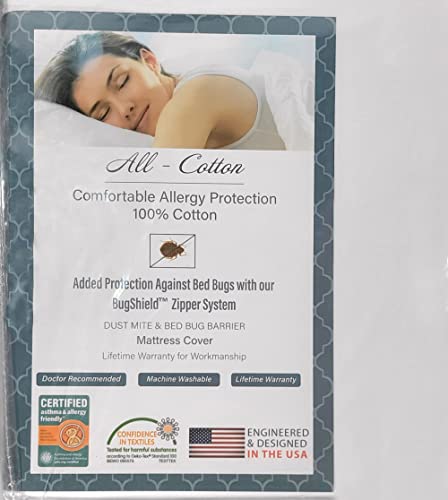
- ✓ Hypoallergenic cotton fabric
- ✓ Quiet, no rustling sounds
- ✓ Breathable and cool
- ✕ Slightly snug fit on thicker mattresses
- ✕ Price is a bit higher than basic covers
| Material | 100% Cotton with 2.6-micron tightly woven fabric |
| Dimensions | 38 inches x 75 inches x 9 inches (Twin size, fits mattresses 6-9 inches deep) |
| Closure System | Full zippered encasement with auto-lock zipper and internal fabric flap |
| Breathability | Supports airflow without laminated coatings, promoting cooler sleep |
| Hypoallergenic Certification | Meets AAFA standards for material quality and performance |
| Care Instructions | Machine washable with reinforced seams |
Ever wake up sneezing, feeling like dust bunnies have taken over your bed? That was me before I tried this National Allergy Cotton Twin Mattress Encasement.
It’s like wrapping your mattress in a gentle, breathable shield that keeps tiny particles out without making you sweat all night.
The first thing I noticed is how soft and natural the cotton feels. Unlike plastic covers that crackle and rustle, this one is whisper-quiet, so you don’t wake up to annoying sounds.
The tightly woven 2.6-micron fabric really seems to block dust and allergens effectively, which is a game-changer for sensitive sleepers.
It’s full encasement design with a sturdy auto-lock zipper gives me peace of mind. I don’t have to worry about allergens sneaking in from the sides or bottom.
Plus, the internal flap adds extra protection, sealing everything tight and making it super easy to put on or take off for washing.
What really surprised me is how well it helps regulate temperature. No more waking up hot and sweaty—this cotton allows air to flow naturally, keeping my sleep cool and comfortable.
And since it’s machine washable with reinforced seams, maintaining it is simple and hassle-free.
If you’re tired of dust mites and allergies ruining your sleep, this encasement offers a quiet, breathable barrier that’s gentle on sensitive skin. It’s definitely a smart investment for a cleaner, more restful night.
Allergy Relief Mattress Protector, Queen

- ✓ Soft, lightweight fabric
- ✓ Temperature balancing tech
- ✓ Easy to wash and install
- ✕ Zipper can be tricky
- ✕ Slightly pricey
| Material | Soft, lightweight fabric with waterproof backing |
| Size | Queen (60 x 80 inches) |
| Allergy Protection Technology | Premium allergy protection fabric |
| Waterproof Rating | Water-resistant to spills and stains |
| Temperature Regulation Technology | Heat-retaining and heat-releasing fabric |
| Care Instructions | Machine washable and dryable |
I’ve had this Allergy Relief Mattress Protector sitting on my wishlist for a while, mainly because I keep waking up stuffy and restless. When I finally got my hands on it, I was curious if it could really make a difference.
The first thing I noticed was how soft and lightweight the fabric felt—way more comfortable than I expected from a waterproof cover.
Installing it was a breeze thanks to the zippers that run around the corners. It fit my queen-sized mattress snugly without any awkward bunching.
What really stood out was the temperature balancing feature—on chilly nights, I felt cozy, and when it got warmer, it didn’t trap heat. That’s a game changer for sleep comfort.
The odor-neutralizing technology is subtle but effective. I didn’t notice any strange smells even after a few days, which is a huge plus for keeping the room feeling fresh.
Plus, the waterproof layer is thin enough that I didn’t notice it while sleeping, but it still kept my mattress safe from spills and stains.
Cleaning is straightforward—just unzip, remove, and toss it in the wash. It dried quickly, so I didn’t have to wait long before remaking the bed.
Overall, this protector feels sturdy and well-made, and I like that it offers solid allergy protection without sacrificing comfort.
If allergy relief and a comfortable night’s sleep are your priorities, this might just be your new best friend. The only downside I found was that the zipper can be a little tricky to align perfectly at first.
But once you get the hang of it, it’s smooth sailing.
What Are the Key Features of the Best Anti Allergy Single Mattress?
The best anti allergy single mattress incorporates various features designed to reduce allergens and provide a comfortable sleeping environment.
- Hypoallergenic Materials: The use of hypoallergenic materials such as memory foam or latex helps minimize the presence of dust mites, mold, and other allergens. These materials are often treated to repel allergens, making them ideal for sensitive individuals.
- Breathable Fabric: A breathable cover made from natural fibers like cotton or bamboo enhances airflow, helping to regulate temperature and moisture. This reduces the likelihood of mold growth and keeps the mattress fresher for longer.
- Anti-Microbial Treatment: Many high-quality anti-allergy mattresses are infused with anti-microbial agents that inhibit the growth of bacteria and fungi. This treatment not only protects the mattress but also contributes to a healthier sleeping environment.
- Easy to Clean: A removable and washable cover is a significant feature, allowing for regular cleaning to eliminate allergens. This ensures that dust, skin cells, and other irritants can be easily removed, maintaining a hygienic sleeping surface.
- Firmness Options: The best anti allergy single mattresses offer various firmness levels to suit individual preferences. A proper firmness level supports spinal alignment and comfort, which is essential for a good night’s sleep and overall health.
- Certifications: Look for mattresses with certifications such as CertiPUR-US or OEKO-TEX, which indicate that the materials used are free from harmful chemicals and safe for health. These certifications provide assurance of the mattress’s quality and safety.
How Do Allergenic Factors Affect Sleep Quality?
Allergenic factors can significantly disrupt sleep quality by causing discomfort and respiratory issues.
- Pollen: Exposure to pollen from trees, grasses, and weeds can trigger allergic reactions, leading to nasal congestion, sneezing, and itchy eyes, which can make it difficult to fall asleep or stay asleep.
- Dust Mites: Dust mites thrive in bedding, mattresses, and upholstery, and their droppings can cause severe allergic reactions, resulting in symptoms like coughing and wheezing that interfere with sleep.
- Mold: Mold spores in damp environments can provoke allergies, and inhaling these spores can lead to respiratory problems, making it hard to breathe comfortably at night and thus impacting sleep quality.
- Pet Dander: Proteins found in the skin flakes, saliva, and urine of pets can cause allergic responses, leading to discomfort and disrupted sleep patterns for allergy sufferers.
- Air Pollution: Outdoor and indoor air pollutants can exacerbate allergies, causing inflammation in the airways, which can result in sleep disturbances due to difficulty breathing or persistent coughing.
What Materials Are Best in Preventing Allergens?
The best materials for preventing allergens in a single mattress include:
- Memory Foam: This material is resistant to dust mites and mold, making it an excellent choice for allergy sufferers. Its dense structure does not allow allergens to penetrate easily, providing a hypoallergenic sleeping surface.
- Latex: Natural latex mattresses are known for their resistance to dust mites and mold, thanks to their antimicrobial properties. They are also breathable, which helps in reducing moisture buildup that can lead to allergen growth.
- Organic Cotton: Organic cotton is free from harmful chemicals and pesticides, making it a safer option for those with allergies. Its natural fibers are less likely to harbor allergens compared to synthetic materials.
- Hypoallergenic Covers: Using a hypoallergenic mattress cover can further protect against allergens, as these covers are designed to block dust mites and other particles. They are often made from tightly woven fabrics that are breathable yet effective at keeping allergens out.
- Bamboo: Bamboo fabric is naturally hypoallergenic and moisture-wicking, which helps to reduce the growth of mold and bacteria. Its antibacterial properties make it a great choice for allergy-sensitive individuals.
What Characteristics Should You Consider When Choosing an Anti-Allergy Single Mattress?
When choosing the best anti-allergy single mattress, several key characteristics should be considered to ensure it meets your needs for comfort and allergy prevention.
- Hypoallergenic Materials: Look for mattresses made from materials such as natural latex, memory foam, or organic cotton that resist dust mites, mold, and other allergens. These materials are less likely to trigger allergic reactions and provide a safer sleeping environment.
- Certifications: Check for certifications like CertiPUR-US or Oeko-Tex Standard 100, which indicate that the mattress has been tested for harmful substances and meets safety standards. These certifications ensure that the mattress is free from harmful chemicals that could exacerbate allergies.
- Removable and Washable Covers: A mattress with a removable and washable cover allows for easy cleaning, which is essential for minimizing allergens such as dust mites and pet dander. Regular washing of the cover can significantly reduce allergen accumulation and help maintain a healthier sleep space.
- Breathability: Choose a mattress with good breathability to prevent moisture buildup, which can lead to mold and mildew growth. Materials that promote airflow can help keep the mattress dry and reduce the risk of allergens associated with dampness.
- Firmness Level: The firmness of the mattress should support your sleeping position while providing comfort. A mattress that is too soft may cause misalignment, while one that is too firm may not offer enough pressure relief, potentially affecting your sleep quality.
- Durability: Look for a mattress that is known for its durability and longevity, as a mattress that wears out quickly may harbor more allergens over time. Investing in a high-quality mattress can reduce the frequency of replacement and the potential for allergy triggers.
- Warranty and Return Policy: Ensure that the mattress comes with a good warranty and return policy, allowing you to test it out and return it if it does not meet your comfort and allergy prevention needs. A favorable return policy can provide peace of mind when making your purchase.
How Important Is Mattress Firmness for Allergy Sufferers?
Mattress firmness is crucial for allergy sufferers as it influences both comfort and the accumulation of allergens.
- Support Level: The right firmness provides proper spinal alignment, reducing pressure points that can lead to discomfort and disrupted sleep.
- Material Selection: Certain materials used in mattresses can trap dust mites and allergens, making firmness level a factor in choosing hypoallergenic options.
- Ease of Cleaning: Firmer mattresses may be easier to clean and maintain, which is essential for minimizing allergen exposure.
- Temperature Regulation: The firmness of a mattress can affect airflow and heat retention, impacting the growth of mold and dust mites.
- Durability: A mattress that maintains its firmness over time can be more effective at resisting allergens that accumulate in softer, sagging materials.
Support Level: The right firmness provides essential support for the spine, helping to maintain proper alignment during sleep. This is especially vital for individuals with allergies, as pain and discomfort can lead to restless nights, exacerbating allergy symptoms.
Material Selection: Allergy sufferers should consider the materials used in their mattress, as some can harbor dust mites and mold. A firmer mattress often incorporates materials that are less prone to allergen accumulation, such as latex or specific memory foams designed to be hypoallergenic.
Ease of Cleaning: Firmer mattresses are generally easier to clean, allowing allergy sufferers to maintain a hygienic sleeping environment. Regular cleaning can help reduce the presence of allergens like dust and pet dander, which are commonly trapped in softer mattresses.
Temperature Regulation: Firmer mattresses can enhance airflow and prevent heat retention, which can be conducive to mold growth and dust mite proliferation. This is especially important for allergy sufferers who may be sensitive to these allergens.
Durability: A mattress that retains its firmness over time offers long-term resistance to allergens, as sagging can create indentations that trap dust and other irritants. Choosing a durable, firm mattress can help ensure a cleaner sleep environment for those with allergies.
What Are the Advantages of Mattress Protectors?
Mattress protectors offer numerous advantages that enhance the longevity and hygiene of your mattress.
- Allergen Barrier: A mattress protector can significantly reduce exposure to allergens such as dust mites, mold, and pet dander.
- Stain Protection: These protectors create a barrier against spills, sweat, and other stains, helping to maintain the mattress’s appearance and integrity.
- Extended Mattress Life: By shielding the mattress from wear and tear, a protector can prolong its lifespan, ensuring you get the most out of your investment.
- Easy Maintenance: Most mattress protectors are machine washable, making them easy to clean and maintain, contributing to a healthier sleeping environment.
- Temperature Regulation: Certain protectors are designed to enhance airflow and wick away moisture, helping to regulate body temperature for a more comfortable sleep.
The allergen barrier feature is particularly beneficial for individuals with allergies or asthma, as it helps create a cleaner sleeping environment by preventing the accumulation of harmful particles.
Stain protection is crucial for preserving the quality of the mattress, as liquid spills can lead to mold growth and unpleasant odors if not addressed promptly.
Extending the life of your mattress not only saves you money in the long run but also ensures that you maintain optimal comfort and support over time.
Easy maintenance is a significant advantage for busy individuals, as regular washing of the protector helps remove allergens and keeps the sleeping surface fresh.
Temperature regulation features in certain mattress protectors can enhance comfort by keeping you cool during warm nights and warm during colder months, contributing to a more restful sleep experience.
Which Are the Top Anti-Allergy Single Mattresses Available?
The top anti-allergy single mattresses available combine hypoallergenic materials with comfort and support for a healthier sleeping environment.
- Memory Foam Mattress: This type of mattress is made from viscoelastic foam that conforms to the body, providing excellent pressure relief and support. Its dense structure naturally resists dust mites and other allergens, making it an ideal choice for allergy sufferers.
- Latex Mattress: Crafted from natural latex, these mattresses are inherently resistant to mold, dust mites, and other allergens. They also offer a bouncy yet supportive feel, promoting proper spinal alignment and breathability, which helps regulate temperature during sleep.
- Hybrid Mattress: Combining layers of foam and innerspring coils, hybrid mattresses offer the benefits of both materials. The foam layers often include hypoallergenic properties, while the coils provide support and airflow, reducing the potential for allergen accumulation.
- Organic Cotton Mattress: Made with organic cotton and often filled with natural materials like wool or latex, these mattresses are free from harmful chemicals and toxins. The organic cotton cover is breathable and moisture-wicking, which helps prevent mold growth and keeps allergens at bay.
- Gel-Infused Mattress: These mattresses feature gel-infused memory foam that not only provides comfort but also helps to regulate temperature. The cooling properties of gel can deter allergens such as dust mites, creating a more comfortable sleep environment for allergy sufferers.
What Makes Each Recommended Mattress Unique?
The best anti-allergy single mattresses are designed to minimize allergens and provide a healthy sleeping environment.
- Memory Foam Mattress: Memory foam mattresses conform to the body, offering excellent pressure relief and support. Their dense structure helps to reduce dust mites and other allergens, making them a great choice for allergy sufferers.
- Latex Mattress: Natural latex mattresses are inherently resistant to dust mites and mold, thanks to their materials and manufacturing processes. They provide a buoyant feel and are breathable, promoting better air circulation compared to synthetic options.
- Hybrid Mattress: Hybrid mattresses combine the support of innerspring coils with the comfort of foam or latex layers. Certain hybrids are designed specifically with hypoallergenic materials, providing both support and a barrier against allergens.
- Organic Mattress: Organic mattresses use materials certified to be free from harmful chemicals and allergens, such as organic cotton and natural latex. Their construction ensures a healthier sleep environment, especially for those with chemical sensitivities.
- Waterproof Mattress Protector: While not a mattress itself, a waterproof mattress protector can be essential for allergy prevention. It creates a barrier against spills and allergens, helping to maintain a clean and healthy sleeping surface.
How Can You Ensure Longevity and Performance of Your Anti-Allergy Mattress?
Proper Maintenance: Rotating your mattress every few months can help distribute wear evenly and prevent sagging in specific areas. This simple action can significantly prolong the life of your mattress while maintaining its supportive qualities, ensuring you continue to enjoy its benefits.
Avoid Moisture: Moisture can lead to mold and mildew growth, which are detrimental to your health and the mattress’s integrity. To avoid this, ensure that your mattress is placed in a well-ventilated area, and use moisture-wicking bed linens to keep the surface dry.
Choose High-Quality Materials: Selecting a mattress made from hypoallergenic, breathable materials such as latex or certain memory foams can greatly reduce allergy symptoms. High-quality construction also means better durability, ensuring that your investment in an anti-allergy mattress pays off in terms of both comfort and longevity.
Related Post: