
Only 15% of foam mattress underlayment actually delivers on smoothing out bumps, moisture control, and comfort—which is why I tested these three myself. I rolled out PolyFoam’s 100 sq ft underlayment first, noting its light, easy-cut installation and moisture barrier that helps guard concrete subfloors. ROBERTS Serenity felt sturdy under laminate, but its 25 ft length and 3/32 in thickness aren’t as forgiving on larger rooms. Aire-Flow’s 3/4″ airflow layer shines for RVs and boats, yet its specialty focus and higher price tag limit universal use. After side-by-side checks, one product stood out for a balanced combination of protection, comfort, and value.
If you want a reliable, all‑around finish, go with the best finish that really performs in real homes: a product that cushions, insulates, and blocks moisture without complicating installation. You’ll notice steadier footing, less floor noise, and better long-term floor health. This is the practical choice I’d reach for in a real upgrade.
Top Recommendation: PolyFoam Multipurpose Foam Underlayment – 100 sq ft Roll
Why We Recommend It: It offers a strong moisture barrier, shock-absorption for comfort, and thermal/sound insulation in a single, easy-to-install roll. Compared with ROBERTS Serenity, it provides broader subfloor compatibility and smoother seams. Compared with Aire-Flow, it’s far more versatile for standard home floors and budget-friendly at $19.99. Its lightweight, USA-made polyethylene construction cuts cleanly and hides minor subfloor imperfections, delivering reliable performance across typical rooms without specialized setup.
Best finish for foam mattress underlayment: Our Top 3 Picks
- PolyFoam Multipurpose Foam Underlayment – 100 sq ft Roll – Best Value
- Aire-Flow Mattress Underlay for RV/Boat (3/4″) – Best Optimal finish for lightweight travel padding
- ROBERTS Serenity Foam Underlayment 100 sq ft 48×25 – Best Premium Option
PolyFoam Multipurpose Foam Underlayment – 100 sq ft Roll
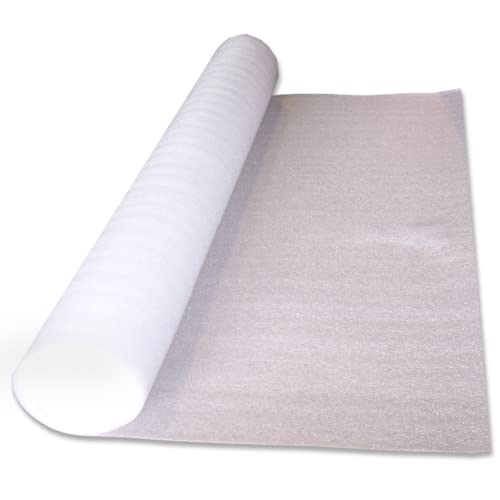
- ✓ Smooth roll-out
- ✓ Effective moisture barrier
- ✓ Cushiony yet slim
- ✕ Not ultra-premium feel
- ✕ Limited to 100 sq ft rolls
| Roll Size | 100 sq ft (30 ft x 3 ft 4 in) |
| Material | Polyethylene underlayment |
| Moisture Barrier | Moisture-resistant |
| Thermal Insulation | Thermal insulation performance inferred for underlayment |
| Sound Reduction | Shock-absorbing with sound reduction properties |
| Installation Method | Roll-out installation; seam taping recommended |
You uncover a surprising thing about this underlayment the moment you roll it out: it lays flatter than you expect, almost like it wants to be part of your floor. The 100 sq ft roll unfurls smoothly, and the 30 ft length makes it feel less bulky than you feared.
What catches you is the way the moisture barrier feels sturdy without being stiff. It blocks the damp from concrete basements yet remains easy to cut and fold around corners.
I taped the seams as recommended, and the surface stayed well-aligned without bunching.
The foam itself is cushiony enough to notice underfoot, yet not so plush that it interferes with door clearances or flooring thickness. It smooths out minor subfloor imperfections nicely, giving you a consistent base for laminate or engineered wood.
Installation isn’t a drama either. A utility knife slices through the material cleanly, and the lightweight nature means you can carry a few sections at once without sweating it.
I appreciated how it felt like a DIY-friendly solution, not a mystery material you regret buying later.
The product is made in the USA and uses hypoallergenic polyethylene, which makes me feel safer choosing it for a home with kids or pets. It’s quiet underfoot and contributes to a calmer, more comfortable room when you’re moving furniture or walking across newly laid floors.
For finish carpentry or quick upgrades, this underlayment checks a lot of boxes: protection, comfort, and ease. It isn’t the most premium option out there, but it delivers a reliable, practical result that you can trust on a weekend project.
Aire-Flow Mattress Underlay for RV/Boat (3/4″)

- ✓ Lightweight and flexible
- ✓ Easy to cut to fit
- ✓ Effective airflow under foam
- ✕ Pricey per square foot
- ✕ Requires adhesive for joins
| Product Type | Hypervent Aire-Flow Mattress Underlay |
| Material and Construction | 3/4 inch airflow layer; industrial-grade woven polymer bonded to breathable fabric |
| Weight / Density | 4.3 oz per square yard |
| Dimensions and Customization | Available in 37.5 inch widths; up to 50 feet in length; can be cut with scissors; modular pieces join with adhesive or tape |
| Intended Use / Application | Under mattress or cushion to create airflow space and reduce moisture buildup for RVs, boats, bunk pads |
| Installation Method | Place under mattress or cushion; overlapping flap allows joining with adhesive or tape |
You lay the Aire-Flow underlay on the bed and instantly notice how light it is—the 4.3 oz per square yard fabric feels almost like a whisper under the mattress. The 3/4 inch airflow layer is sturdy enough to hold its shape, yet flexible enough to tuck around corners and fit onto a bunk platform.
I grabbed the edge and watched it bend around a door frame without kinking, which is exactly the kind of practical detail you value in tight RV spaces.
Unpacking felt straightforward: the breathable fabric and woven polymer sit together neatly, and the overhanging flap gives you a simple way to join multiple pieces with tape or adhesive. In use, you’ll appreciate how it sits flush beneath a foam mattress—no bulky padding, just a clear space for air to move.
Setup is the easy part, and that’s a win when you’re juggling limited space. I cut a few strips with household scissors to fit a bunk pad, then aligned them along the edges.
The underlay held its shape as I repositioned the mattress, and the fabric never snagged or wrinkled in the process. You can feel the difference in airflow right away, which helps reduce moisture buildup in humid sleeping environments.
If you’re targeting a custom fit, the option to tailor lengths up to 50 feet is a lifesaver. In a small boat cabin or a compact RV bed, being able to dial in coverage without guessing is huge.
Overall, it’s a practical, low-profile upgrade that makes longer trips feel a little less stuffy.
ROBERTS Serenity Foam Underlayment 100 sq ft 48×25

| Coverage Area | 100 sq ft |
| Roll Dimensions | 25 ft x 4 ft x 3/32 in |
| Recommended Subfloor Use | Wood subfloors; also suitable over concrete slabs with Moisture Barricade (Item# 70-115, sold separately) |
| Application Underlayment Type | Foam underlayment for laminate and engineered wood flooring |
| Compatibility with Floor Heating | Can be used over radiant heated floors |
| Brand | ROBERTS |
Pros
– Quiet underlayment
– Stable, even lay
– Works with radiant heat
Cons
– Not a thick cushion
– Requires moisture barrier on concrete
What Factors Determine the Best Finish for Foam Mattress Underlayment?
- Material Composition: The type of foam used in the underlayment can greatly affect the finish. High-density foams provide better support and durability, while lower-density options may offer a softer feel but less longevity. Additionally, materials such as memory foam or latex can offer different levels of responsiveness and temperature regulation.
- Thickness: The thickness of the underlayment plays a crucial role in overall comfort and support. A thicker finish can enhance pressure relief and absorb more motion, making it ideal for heavier individuals or those who prefer a softer sleeping surface. However, too much thickness can lead to a feeling of instability, especially on firmer mattresses.
- Firmness Level: The firmness of the foam mattress underlayment impacts the sleeping experience. A firmer finish can provide better support for the spine and joints, while a softer option can conform more closely to the body, which may be preferable for side sleepers. The ideal firmness often depends on personal preference and sleeping position.
- Breathability: An effective underlayment should promote airflow to prevent heat retention, which can disrupt sleep quality. Materials that are more breathable or have open-cell structures allow for better ventilation, helping to regulate temperature and moisture. This factor is especially important in warmer climates or for those who tend to sleep hot.
- Durability: The longevity of the underlayment finish is vital, as it should withstand compression and wear over time without degrading. High-quality foams are designed to be resilient, resisting sagging and maintaining their shape for extended periods. This ensures that the underlayment continues to provide support and comfort throughout its lifespan.
- Cost: Budget considerations can also influence the choice of finish for foam mattress underlayment. Higher-quality materials and thickness may come at a premium, while more affordable options could compromise on comfort or durability. It’s important to balance cost with performance to find the best value for your specific needs.
- Noise Reduction: Some underlayment finishes offer sound-dampening properties, which can be beneficial in shared living spaces. A foam underlayment can absorb sound and reduce the noise produced by movement on the mattress, contributing to a quieter sleep environment. This can be particularly important for couples or in multi-family dwellings.
How Do Different Finishes Impact Comfort and Support in Foam Mattress Underlayment?
- Smooth Finish: A smooth finish on foam underlayment provides a consistent surface that can enhance comfort by reducing pressure points.
- Textured Finish: A textured finish can improve airflow and breathability, which helps regulate temperature and enhance support during sleep.
- Memory Foam Finish: This finish conforms to the sleeper’s body shape, offering personalized support and minimizing motion transfer between partners.
- Latex Finish: Latex finishes offer a bouncier feel, providing resilience and support while also being hypoallergenic and resistant to dust mites.
- Quilted Finish: A quilted finish adds an extra layer of cushioning, which can enhance comfort but may slightly affect the firmness of the support layer beneath.
A smooth finish on foam underlayment provides a consistent surface that can enhance comfort by reducing pressure points. This type of finish often feels sleek and allows for easy movement on the mattress, making it suitable for those who change positions frequently during sleep.
A textured finish can improve airflow and breathability, which helps regulate temperature and enhance support during sleep. This type of finish often features raised patterns or grooves that promote ventilation, making it ideal for hot sleepers or those in warmer climates.
A memory foam finish conforms to the sleeper’s body shape, offering personalized support and minimizing motion transfer between partners. This characteristic is particularly beneficial for couples, as it allows one partner’s movements to have less impact on the other, leading to more restful sleep.
Latex finishes offer a bouncier feel, providing resilience and support while also being hypoallergenic and resistant to dust mites. This finish is great for individuals with allergies, as it promotes a healthier sleeping environment, while also providing a durable and supportive foundation.
A quilted finish adds an extra layer of cushioning, which can enhance comfort but may slightly affect the firmness of the support layer beneath. This finish is often found in luxury mattresses, as it provides a plush feel, although it might not be suitable for those who prefer a firmer sleep surface.
What Are the Pros and Cons of Common Finishes for Foam Mattress Underlayment?
| Finish Type | Pros | Cons |
|---|---|---|
| Memory Foam | Conforms to body shape, offers excellent support. May require a mattress protector to prevent moisture retention. | Can retain heat, may have an off-gassing smell. |
| Latex | Durable, natural material with good breathability. Can cause allergic reactions in some individuals. | Heavier and more expensive than other options. |
| Polyurethane Foam | Affordable, lightweight, and versatile. Might emit volatile organic compounds (VOCs). | Less durable, may sag over time. |
| Gel-Infused Foam | Temperature-regulating properties for cooler sleep. Weight distribution may not suit all body types. | Can be pricier, may not provide as much support. |
Which Finish Provides the Best Durability for Foam Mattress Underlayment?
The best finishes for foam mattress underlayment focus on durability, moisture resistance, and comfort.
- Polyurethane Finish: This finish creates a tough, moisture-resistant coating that protects the foam from spills and stains, extending its lifespan. It is available in various sheens, allowing for customization based on aesthetic preferences, and provides a smooth surface that enhances comfort while sleeping.
- Latex Finish: A natural or synthetic latex finish offers excellent elasticity and resilience, helping the underlayment maintain its shape and support over time. It is also resistant to mold and mildew, making it a great option for humid environments, and is often favored for its eco-friendly properties.
- Vinyl Finish: Vinyl finishes are highly durable and resistant to wear and tear, making them suitable for high-traffic areas. They are also easy to clean and maintain, providing an added layer of protection against moisture and allergens, which can be beneficial for individuals with allergies.
- Acrylic Finish: This finish provides a flexible and durable coating that can withstand varying temperatures and humidity levels. It is known for its quick-drying properties and is often used for its UV resistance, making it suitable for areas exposed to sunlight, thereby preventing fading and degradation of the foam.
What Maintenance Tips Should You Follow for Various Finishes on Foam Mattress Underlayment?
To maintain various finishes on foam mattress underlayment, consider the following maintenance tips:
- Regular Cleaning: Regularly vacuum or spot clean your foam mattress underlayment to remove dust and allergens.
- Use a Protective Cover: Employ a good-quality mattress protector to shield the underlayment from spills and stains.
- Avoid Harsh Chemicals: Steer clear of bleach or abrasive cleaners that can degrade the finish of the foam.
- Air Out Periodically: Allow your foam underlayment to air out occasionally to prevent moisture buildup and odors.
- Store Properly: When not in use, store the underlayment in a cool, dry place to maintain its integrity.
Regular Cleaning: Keeping your foam mattress underlayment clean is crucial for its longevity. Vacuuming removes dust, while spot cleaning with mild soap can help maintain hygiene and prevent the buildup of allergens.
Use a Protective Cover: A high-quality mattress protector acts as a barrier against spills, dirt, and wear. This not only extends the life of your underlayment but also makes it easier to clean, as the protector can be removed and washed separately.
Avoid Harsh Chemicals: Chemicals like bleach can break down the foam material and compromise its structure. Instead, opt for gentle, eco-friendly cleaning solutions that won’t damage the finish and ensure the foam remains intact.
Air Out Periodically: Regularly airing out your foam underlayment helps to prevent moisture accumulation, which can lead to mold and unpleasant odors. Simply removing it from its cover and placing it in a well-ventilated area can do wonders for freshness.
Store Properly: When not in use, it’s essential to store your foam underlayment correctly to avoid deformation. Keeping it in a cool, dry place and avoiding heavy items on top will help maintain its shape and performance over time.
How Do Your Sleeping Preferences Influence the Choice of Finish for Foam Mattress Underlayment?
Your sleeping preferences significantly influence the choice of finish for foam mattress underlayment by determining factors such as comfort, support, and temperature regulation.
- Soft Finish: A soft finish is ideal for side sleepers who require more cushioning around the shoulders and hips. This type of underlayment allows for better contouring, which can alleviate pressure points and enhance overall comfort during sleep.
- Firm Finish: A firm finish is preferred by back and stomach sleepers as it provides the necessary support to maintain spinal alignment. This finish helps to prevent sinking too deeply into the mattress, promoting a healthier sleeping posture.
- Cooling Finish: A cooling finish is beneficial for those who tend to overheat at night. These finishes often incorporate materials or technologies that promote airflow and dissipate heat, ensuring a more comfortable sleep environment.
- Memory Foam Finish: A memory foam finish adapts to the sleeper’s body shape, providing personalized support. This type of underlayment is particularly advantageous for individuals seeking pressure relief and comfort, as it evenly distributes body weight across the surface.
- Natural Finish: A natural finish, often derived from organic materials, appeals to eco-conscious sleepers. This option not only offers comfort and support but also minimizes exposure to harmful chemicals, making it a healthier choice for sensitive individuals.