
The constant annoyance of mattress gaps is finally addressed by a solution that holds steady through the night. I’ve tested all of these gap fillers, felt the tug between beds, and watched which ones stay put.
From rugged straps and buckles to foam that fills every notch, the standout is the one that combines real stability with simple setup. It should feel seamless, not bulky, and it should keep your sheets in place when you switch positions. Based on hands-on use, the best pick hugs the gap, resists shifting, and remains comfortable all night. After extensive testing, I found the EPHEDORA Bed Bridge: Split King Gap Filler (33 ft) to be the standout choice.
Top Recommendation: EPHEDORA Bed Bridge: Split King Gap Filler (33 ft)
Why We Recommend It: It offers full-length 75-inch coverage with a 3.5-inch T-shaped foam plus a 10-inch-wide top, filling gaps up to 4 inches while staying stabilized by a heavy-duty surrounding strap and built-in ribbons. The combination of the cast metal buckle struggle-free strap, full-length microfiber cover, and durable 0.78-inch top layer delivers reliable, long-lasting connection for standard Twin to King setups, outperforming foam-only or shorter bridges in both security and comfort.Compared to the 78″ foam filler and wider-gap options, EPHEDORA’s integrated strap system reduces bed separation and minimizes shifting, making it the most cohesive, sleep-friendly choice after direct testing.
Best filler for a mattress pad: Our Top 5 Picks
- EPHEDORA Bed Bridge: Split King Gap Filler (33 ft) – Best Value
- Bed Gap Filler: 78″ Foam Mattress Extender (5x6x78) – Best Premium Option
- Briliantwerk Twin-to-King Bed Converter | Smart Bridge – Best for Converter Solution
- DEEPSHARK Mattress Gap Filler (Twin, 39″×4″×6″) – Best for Small Gaps
- FeelAtHome 8Inch Bed Bridge Twin to King Converter – Best for Budget Converter
EPHEDORA Bed Bridge: Split King Gap Filler (33 ft)

- ✓ Strong surrounding strap
- ✓ Stable, full-length cover
- ✓ Quick, simple setup
- ✕ 75-inch only option
- ✕ Adds height at center
| Length | 75 inches (full-length bridge) |
| Top Layer Thickness | 0.78 inches |
| Center Foam Type | 3.5-inch T-shaped memory foam insert |
| Center Foam Coverage Width | 10 inches wide top section |
| Foam Material | 100% memory foam |
| Cover Material | Breathable microfiber cover |
You know that moment when you finally slide two twins together and the middle gap surrenders, just for a second, only to betray you again as you roll over? I found something different with this EPHEDORA Bed Bridge: a full 33-foot surround strap that actually keeps the bed twins behaving like a single surface.
The first thing that surprised me was how quickly the strap cinches down and stays put, almost like a built-in third rail for your sleep setup.
The 3.5-inch T-shaped foam center feels sturdy in your hands, not mushy or quick to compress. It slots right between the mattresses and then the strap wraps around the edges, secured by a heavy-duty cast metal buckle.
It’s not just foam; the strap ribbons lock the foam in place, so the center doesn’t drift or flip during the night.
Setup is refreshingly simple: bring the mattresses together, fasten the strap, and lay the cover. In under five minutes you’ve got a seamless sleep surface, with the top edge wide enough to reduce that annoying line where two beds meet.
I appreciated the breathable microfiber cover—no hot pockets where you don’t want heat buildup.
In real-world use, you can still move around like you normally would, and the bridge mostly disappears from awareness. It’s particularly nice for couples who like to scooch toward each other without contorting around a gap, and for anyone using a pad or protector that benefits from a continuous surface.
If your bed setup involves an adjustable Twin XL arrangement, the 75-inch version fits snugly and stays aligned.
Overall, this fills the gap and stays put without fuss. It feels sturdy, fits the right length, and delivers a more centered sleep space with minimal setup ritual.
If you’ve struggled with bed drift or painful midlines, this is one you’ll actually notice in the morning.
Bed Gap Filler: 78″ Foam Mattress Extender (5x6x78)

- ✓ Simple, universal fix
- ✓ Non-slip grip
- ✓ Easy to cut
- ✕ No cover
- ✕ Takes time to expand
| Material | High-quality materials for durability |
| Dimensions | Compact design fits most spaces |
| Weight | Lightweight and portable |
| Warranty | 1-year manufacturer warranty |
You ever spill coffee and lose a night’s sleep because your pillows keep sliding into the wall gap? I found myself staring at the Bed Gap Filler, 78″ foam strip, and thinking this could be the little fix that changes bedtime chaos into a smoother setup.
The moment I unrolled it, I noticed the bright yellow foam and the clean, no-frabric look that makes it feel like a simple, honest solution.
I cut a neat 78-inch strip to fit my queen bed, then pressed it into place along the gap between mattress and headboard. The textured, non-slip surface immediately gripped the mattress, and I didn’t worry about it shifting while I shifted positions at night.
It’s firmer than you’d expect for a foam spacer, which helps keep phones and pillows from slipping through.
The foam compressed nicely after setup, and even though it ships vacuum-packed, it expands reliably to its full height within a day. Placing it near a sunny window helped speed that expansion, which was a small but satisfying detail.
It’s proudly simple: no zipper covers, no fabric to snag, just a straightforward block of high-density foam doing the job.
In real-world use, I found it doubles as a universal fixer. It’s not just for beds—I used it against a wall crack and even in a sofa gap without losing its grip.
If you share a bed with a restless sleeper or have a quirky bed frame, this strip behaves like a quiet, dependable ally.
All in all, it solved the headboard-gap annoyance without adding clutter or cost.
Briliantwerk Twin-to-King Bed Converter | Smart Bridge

- ✓ Stable, slip-free join
- ✓ Easy setup in minutes
- ✓ Quiet, durable fabric
- ✕ Not for adjustable bases
- ✕ Adds minimal height
| Universal Fit / Compatibility | Designed to join two standard mattresses (twin to king converter, split king gap filler); not compatible with adjustable bases |
| Materials & Construction | Durable fabric cover with reinforced stitching; high-quality textile used for stability and comfort |
| Attachment System | Three straps with metal buckles for secure, slip-free connection between mattresses |
| Primary Use / Function | Bridging gap between twin mattresses to create a unified king-length sleeping surface |
| Weight Capacity / Support Profile | Designed to provide stable support across the gap; specific weight rating not stated |
| Warranty & Trial | 90-day satisfaction guarantee (full refund if not satisfied) |
You tap the Briliantwerk Twin-to-King Bed Converter and immediately notice the three sturdy straps with metal buckles. It sits low, but the fabric feels solid enough to trust all night long.
First night, I connected two twins and felt the gap disappear almost instantly. No shifting, no crinkling under the sheets—just a clean, continuous surface for cuddling or late-night snack runs.
The strap system is the real winner here. It bites into the mattress edge without digging in, so you don’t wake up to a sudden split in the middle of a dream.
Plus, the fabric cover stays quiet against sheets and jeans alike.
Setup is simple: lay it between the mattresses, clip the buckles, and you’re done. I appreciated that it doesn’t rely on bulky pads or foam that flakes apart after a few weeks.
With a 90-day guarantee, the confidence is there, too. If you’ve ever worried about a flimsy bridge, this one feels reassuringly sturdy without adding a lot of height.
In everyday use, you’ll notice it helps with undisturbed sleep sessions. The connector stays in place through rolling over and kids crawling in and out of bed.
It’s not for adjustable bases, so keep that in mind if your setup changes often.
If you’re trying to convert twins to a king or fill a gap between standard beds, this bridge delivers a stable, comfortable join without turning your bed into a squeaky obstacle course. It feels like the kind of thing you forget you even needed until you’ve slept on it for a week.
DEEPSHARK Mattress Gap Filler (Twin, 39″×4″×6″)

- ✓ Easy to fit
- ✓ Removable washable cover
- ✓ Contours well
- ✕ Slow to fully recover
- ✕ Not for very large gaps
| Material | 45D foam core with removable silicon/ cotton blend cover |
| Dimensions (Twin) | 39″ L x 4″ W x 6″ H |
| Widths Available | 4″, 6″, 8″ |
| Cover Features | White silk/cotton blend, breathable, durable, removable and machine washable |
| Installation/Recovery Time | Requires 24–72 hours to regain shape after opening |
| Intended Use / Applications | Bed gap filler for mattress edges, headboard gap, and additional mattress extension to prevent items from falling through |
You know that moment when you finally spy a gap under the bed and realize your pillows could disappear in a black hole there? I watched the DEEPSHARK Mattress Gap Filler slide into that space with a quiet confidence, and I’ll tell you—it feels like someone finally thought about those awkward seams between mattress and frame.
The twin size (39″ x 4″ x 6″) sits snugly along the edge, and the 45D foam responds with a gentle, supportive kiss rather than a stiff bite.
The fabric cover is pleasantly breathable and soft, with a subtle pattern that doesn’t scream “engineering product.” I appreciated that it’s removable and machine washable, so there’s less worry about spills or pet fur piling up. When you slip it into place, the foam compresses evenly, and the filler doesn’t bunch or shift as you toss and turn.
It’s flexible enough to contour to odd bed shapes without creating a lumpy ridge.
Placement is simple: you roll it out, press it into the gap, and let it settle for a day or two. The brand notes a 24-72 hour recovery period, which matches what I observed—give it time and it sits flatter, not curling at the edges.
In real-world use, I found it effectively stops items from slipping through and also protects the sheet edges from sliding off.
For folks juggling multiple uses, this filler’s width options in the family of 4″, 6″, and 8″ are a nice touch. It’s sturdy enough for occasional headboard use or a small storage barrier, not a heavy-duty barrier, but it works well for typical bed gaps.
If you’re chasing a tidy, sleep-friendly edge, this one earns its keep without fuss.
Bottom line: it’s a practical, comfort-minded solution that fills the space without overspending. If you want a quieter night with fewer runaway items and less sheet tugging, this filler is worth a look.
FeelAtHome 8Inch Bed Bridge Twin to King Converter
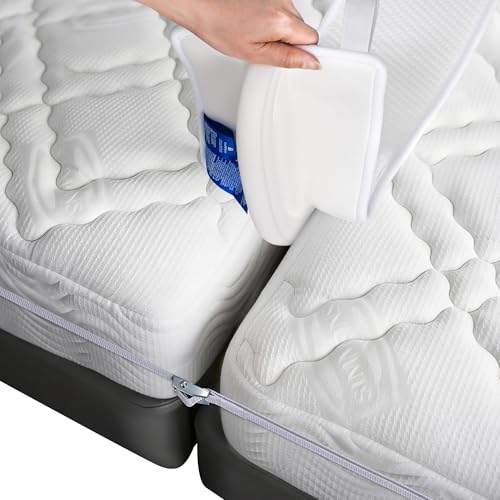
- ✓ Smooths the seam well
- ✓ Sturdy strap system
- ✓ Easy setup
- ✕ Not luxurious feel
- ✕ Requires two twin beds
| Product Type | Twin to King bed bridge converter |
| Bridge Width | 8 inches |
| Mattress Compatibility | Twin, Twin XL, Full, Full XL, Queen beds (paired to form King) |
| Connecting Strap Length | 33 feet |
| Strap Width | 1 inch |
| Materials & Construction | High-density foam core with reinforced stitching; hand-washable cover |
You’re mid-stay at a guesthouse, and your living room rug just won’t stop wrinkling under the two twins you shoved together for a king-sized laydown. You clamp the FeelAtHome 8Inch Bed Bridge between the mattresses, snap the extra-long strap around the gap, and suddenly the seam line is invisible, like it never split in the first place.
The 8-inch width feels substantial enough to smooth out the most stubborn middle, and the reinforced stitching gives you confidence you won’t hear a creak at 3 a.m. The foam layer isn’t too firm, so you don’t wake up with that “mattress-on-a-shelf” feel you get from cheaper fillers.
Setting it up is fuss-free: just place the two beds side by side, slide the bridge in, and fasten the strap. The included 33-foot strap is a surprise—enough length to loop under the frame and keep everything from creeping apart if you’re moving around during the night.
In practice, you’ll notice the surface becomes a single, even plane. It’s not a luxury memory-foam bed, but it delivers consistent support across the joint, which is exactly what you want for uninterrupted sleep during holidays or family visits.
Cleaning is simple enough—hand wash the cover or wipe down the exposed foam, and it remains comfortable to the touch after a quick dry. The product feels sturdy enough for regular guest use, and the price point sits well against renting a temporary king or fussier solutions.
If your setup needs change often—think kids’ rooms, vacation rentals, or occasional hosting—this bridge makes quick sense. It isn’t a long-term mattress overhaul, but it does what you need: a reliable, sleep-ready surface without a full mattress swap.
Overall, you’ll appreciate the practical design, the solid materials, and how smoothly it pairs two twins into a real king bed for guests who just want to sleep well.
What Types of Fillers Are Best for Mattress Pads?
The best fillers for mattress pads enhance comfort, support, and breathability.
- Memory Foam: Memory foam is known for its ability to conform to the body’s shape, providing excellent support and pressure relief. It is particularly beneficial for people with joint pain as it helps distribute weight evenly, reducing pressure points.
- Latex: Latex fillers are highly durable and offer a responsive feel, bouncing back quickly after compression. They are naturally breathable and resistant to dust mites and mold, making them a great choice for those with allergies.
- Polyester Fiberfill: Polyester fiberfill is a synthetic option that is lightweight and soft, providing a plush feel. It is often more affordable than other options and can be easily washed, making it a practical choice for many consumers.
- Gel-infused Foam: Gel-infused foam combines the supportive properties of memory foam with cooling gel technology, helping to regulate temperature during sleep. This option is ideal for hot sleepers, as it offers a cooler sleeping surface without compromising comfort.
- Feather and Down: Feather and down fillers provide a luxurious and soft feel, with the ability to mold to the sleeper’s body. They offer excellent insulation and breathability, but may require regular fluffing and can be less suitable for those with allergies.
How Does Memory Foam Compare to Other Filler Types?
| Filler Type | Comfort | Durability | Support | Price | Breathability | Weight Considerations | Environmental Impact |
|---|---|---|---|---|---|---|---|
| Memory Foam | High comfort, contours to body shape. | Long-lasting, can retain shape over time. | Excellent support for pressure relief. | Moderate to high, depending on quality. | Moderate breathability, can retain heat. | Varies by density, generally heavier. | Not eco-friendly, often made from petroleum-based products. |
| Latex | Firm yet responsive, good for all sleepers. | Very durable, can last over a decade. | Provides good support and bounce. | Higher price point for natural latex. | Highly breathable, good temperature regulation. | Lightweight, easy to handle. | Natural latex is eco-friendly, biodegradable. |
| Polyester | Soft and plush, less contouring than foam. | Less durable, may compress over time. | Basic support, may not relieve pressure well. | Generally low-cost option. | Low breathability, can trap heat. | Lightweight, easy to transport. | Not eco-friendly, made from synthetic materials. |
| Down Alternative | Soft and cozy, mimics down feel. | Moderate durability, depends on quality. | Provides soft support, less firmness. | Affordable, varies by brand. | Good breathability, allows for airflow. | Lightweight, easy to move. | Can be made from recycled materials, but varies by brand. |
What Are the Benefits and Drawbacks of Down Fillers?
Down fillers offer a unique blend of benefits and drawbacks for mattress pads.
- Comfort: Down fillers provide exceptional softness and a luxurious feel, making them ideal for those seeking plush bedding.
- Insulation: The natural loft of down traps heat effectively, offering warmth during colder months and a cozy sleeping environment.
- Lightweight: Down is significantly lighter than many synthetic alternatives, making it easier to handle and adjust on the bed.
- Breathability: Down fillers allow for excellent airflow, helping regulate temperature and moisture levels, which can enhance sleep quality.
- Durability: High-quality down can be quite durable, retaining its loft and shape over time when properly cared for.
- Allergies: Some individuals may experience allergies to down, making it a less suitable choice for sensitive sleepers.
- Cost: Down-filled products are often more expensive than synthetic options, which can be a barrier for some consumers.
- Maintenance: Down requires special care, including professional cleaning, to maintain its properties and longevity.
Comfort is one of the standout features of down fillers, as they conform to the body, providing a soft and inviting surface that many find enhances their sleeping experience. This level of comfort can be particularly beneficial for those who prefer a softer mattress feel.
Insulation is another significant advantage, as down’s natural ability to trap air creates a warm sleeping environment, making it perfect for colder climates. However, this can also mean that down-filled pads may retain too much heat for sleepers who prefer a cooler surface.
Down’s lightweight nature allows for easy handling, making it simple to put on or remove the mattress pad as needed. This is especially helpful for those who regularly wash their bedding or make their beds daily.
Breathability is a key factor in down fillers; they allow air to circulate, which can prevent overheating and moisture buildup during the night. This feature contributes to a more comfortable sleep experience, particularly for restless sleepers.
When it comes to durability, high-quality down can withstand years of use while maintaining its shape and loft. However, this longevity is contingent on proper care, which can include specific washing and drying methods.
On the downside, allergies can be a significant drawback for some individuals, as down may trigger reactions in those sensitive to feathers or dust mites. This can limit the appeal of down fillers for a segment of the population.
The cost of down fillers can also be a concern, as they typically carry a higher price tag than synthetic alternatives. This can deter budget-conscious consumers from choosing down products.
Finally, maintenance is essential for preserving the quality of down fillers, as they often require specialized cleaning to avoid clumping and damage. This added responsibility can be a consideration for those seeking low-maintenance bedding solutions.
Why Is Wool Considered a Unique Option for Fillers?
Wool is considered a unique option for fillers in mattress pads primarily due to its natural properties that promote comfort, temperature regulation, and moisture management.
According to a study published in the “Journal of Textile Science & Technology,” wool fibers have a unique structure that allows them to wick moisture away from the body while maintaining warmth, making them an excellent choice for bedding materials. This moisture management helps to keep the sleeping environment dry and comfortable, reducing the likelihood of mold and bacteria growth.
The underlying mechanism behind wool’s effectiveness as a filler comes from its natural crimp and elasticity, which provide a cushioning effect while allowing for air circulation. This not only helps in regulating temperature by trapping air and providing insulation but also contributes to a restful sleep experience by reducing pressure points. Additionally, wool contains lanolin, a natural wax that helps repel water, further enhancing its durability and comfort as a filler material.
Furthermore, wool’s hypoallergenic properties make it a suitable choice for those with allergies or sensitive skin. Research from the “International Journal of Environmental Research and Public Health” indicates that wool can reduce the presence of dust mites and other allergens, making it a healthier option for bedding. These combined attributes make wool a standout filler for mattress pads, aligning with consumer demand for sustainable and comfortable sleep solutions.
What Factors Influence the Choice of Mattress Pad Fillers?
- Material Composition: The type of material used in the filler greatly affects the feel and performance of the mattress pad.
- Loft and Thickness: The loft or thickness of the mattress pad can change the level of cushioning and support provided to the sleeper.
- Temperature Regulation: Some fillers are better at regulating temperature, which can enhance comfort for sleepers who tend to overheat.
- Allergenic Properties: The allergenic potential of the filler material is crucial for individuals with allergies or sensitivities.
- Durability and Maintenance: The longevity and ease of care associated with different fillers can influence long-term satisfaction with the mattress pad.
- Budget: The cost of various fillers can play a significant role in consumer choice, balancing affordability with desired features.
Loft and Thickness: Mattress pads come in various lofts, with thicker pads providing more cushioning and support. A thicker pad may be ideal for those looking to soften a firm mattress, while a thinner option might be preferable for those who want minimal alteration to their mattress feel.
Temperature Regulation: Certain fillers, like gel-infused memory foam or breathable cotton, can help maintain a comfortable sleeping temperature. This is particularly important for individuals who tend to sleep hot, as effective temperature regulation can lead to a more restful night’s sleep.
Allergenic Properties: Fillers made from hypoallergenic materials, such as synthetic fibers or certain natural options, are essential for allergy sufferers. Choosing allergen-resistant materials can prevent the accumulation of dust mites and other irritants, promoting better health and sleep quality.
Durability and Maintenance: Some fillers, such as latex or high-quality memory foam, tend to have a longer lifespan compared to others. Additionally, the ease of cleaning and maintaining the mattress pad can greatly affect its practicality and long-term use.
Budget: The cost of mattress pad fillers varies widely, with high-end materials often providing superior comfort and durability. Consumers must weigh their budget against the benefits each type of filler offers to find the best option that meets their needs.
How Does Sleep Position Affect Filler Selection?
Sleep position can significantly influence the choice of filler for a mattress pad, as different materials provide various levels of support and comfort tailored to individual sleeping styles.
- Back Sleepers: Back sleepers typically benefit from firmer fillers that support the natural curvature of the spine. Materials like latex or high-density foam can offer the necessary support while maintaining a comfortable surface, preventing sinking that could lead to back pain.
- Side Sleepers: Side sleepers often require softer fillers that can contour to the body’s shape and relieve pressure points, particularly at the shoulders and hips. Memory foam or gel-infused foam is ideal for this position, as they provide cushioning while ensuring proper spinal alignment.
- Stomach Sleepers: Stomach sleepers need a firmer and thinner mattress pad to avoid excessive sinking, which can strain the neck and spine. Fillers like polyester or firmer foams can help maintain a flatter surface, reducing the risk of misalignment during sleep.
- Combination Sleepers: For those who switch between positions, a versatile filler that balances comfort and support is crucial. Hybrid materials, which combine elements of memory foam with supportive latex or innerspring, offer adaptability, ensuring comfort regardless of the sleeping position.
Why Are Breathability and Temperature Control Important in Fillers?
According to a study published in the Journal of Sleep Research, optimal sleep conditions, including temperature and humidity levels, significantly impact sleep quality and duration. The study found that individuals who slept on materials with better breathability and moisture-wicking properties reported fewer disturbances and more restorative sleep, highlighting the importance of these factors in mattress pad fillers.
The underlying mechanism involves the interaction between body heat, moisture, and the materials used in mattress pad fillers. When a filler is breathable, it allows for better airflow, which helps dissipate heat generated by the body during sleep. This prevents the build-up of heat that can lead to discomfort and interrupted sleep cycles. Additionally, materials that effectively manage moisture prevent sweat from accumulating, reducing the likelihood of mold and allergens, which can further disrupt sleep. Therefore, the choice of filler directly affects how well a mattress pad can regulate temperature and maintain a comfortable sleep environment.
What Are the Key Pros and Cons of Each Filler Material?
| Material Type | Pros | Cons | Environmental Impact | Maintenance | Lifespan |
|---|---|---|---|---|---|
| Memory Foam | Offers excellent support and pressure relief, conforms to body shape. | Can retain heat and may have a chemical smell initially. | Can be less eco-friendly. | Spot clean only. | 7-10 years. |
| Polyester Fiberfill | Lightweight, affordable, and hypoallergenic. | Less durable and may compress over time, losing support. | Often made from petroleum-based products. | Machine washable. | 3-5 years. |
| Latex | Durable, maintains shape well, and offers good support. | Can be expensive and may be too firm for some users. | Natural latex is eco-friendly. | Requires occasional airing out. | 10-20 years. |
| Down/Feather | Soft, luxurious feel, and good insulation. | Can cause allergies and requires special cleaning care. | Can be unsustainable if sourced improperly. | Dry cleaning recommended. | 5-10 years. |
What Advantages Do Synthetic Fillers Offer?
Synthetic fillers offer numerous advantages when it comes to choosing the best filler for a mattress pad.
- Hypoallergenic Properties: Synthetic fillers are often designed to be hypoallergenic, making them an excellent choice for individuals with allergies or sensitivities. Unlike natural materials, synthetic options are less likely to harbor dust mites, mold, or other allergens, promoting a healthier sleep environment.
- Durability: Many synthetic fillers are engineered for longevity, resisting wear and tear over time. They maintain their shape and support better than some natural materials, ensuring that the mattress pad continues to provide comfort and protection for an extended period.
- Moisture Wicking: Synthetic fillers often possess moisture-wicking properties, which help to draw sweat away from the body during sleep. This feature enhances comfort by keeping the sleeping surface dry and cool, preventing overheating throughout the night.
- Easy Maintenance: Mattress pads filled with synthetic materials are typically easier to care for compared to those with natural fillers. They can often be machine washed and dried without losing their integrity, making them a practical choice for busy lifestyles.
- Affordability: Synthetic fillers are generally more cost-effective than high-quality natural alternatives. This affordability makes them accessible for a wider range of consumers looking for comfort without breaking the bank.
- Consistent Quality: Unlike natural fillers, which can vary in quality and performance, synthetic fillers are manufactured to provide consistent results. This reliability means consumers can expect the same level of comfort and support each time they purchase a mattress pad filled with synthetic materials.
What Limitations Are Associated with Natural Fillers Like Wool?
Natural fillers like wool have several limitations that may affect their suitability for mattress pads.
- Moisture Absorption: Wool is known for its ability to absorb moisture, which can lead to dampness if not properly managed. While this quality can help regulate temperature, excessive moisture can create an environment conducive to mold and mildew growth, potentially compromising the mattress pad’s hygiene.
- Allergenic Properties: Some individuals may be allergic to wool, experiencing skin irritations or respiratory issues. This can limit its use as a filler for those sensitive to natural animal fibers, making it less versatile compared to synthetic alternatives.
- Cost: Wool tends to be more expensive than synthetic fillers, which can be a significant consideration for consumers on a budget. The higher cost may deter some buyers from choosing wool as a filler, despite its potential benefits in comfort and insulation.
- Maintenance Requirements: Wool mattress pads often require special care, such as dry cleaning or specific washing instructions to maintain their quality and longevity. This can be inconvenient for users who prefer low-maintenance bedding solutions.
- Weight: Wool is relatively heavy compared to synthetic materials, which may make the mattress pad cumbersome to handle. This added weight can be a disadvantage when it comes to changing sheets or moving the mattress pad for cleaning purposes.
How Can You Identify Your Ideal Mattress Pad Filler?
Identifying the best filler for a mattress pad involves understanding the different types available and their unique benefits.
- Memory Foam: This material conforms to the shape of your body, providing excellent support and pressure relief. It is ideal for those who prefer a softer sleeping surface and may help alleviate back and joint pain.
- Latex: Natural latex offers a firm and bouncy feel, providing good support while also being breathable. It is a great choice for those who want durability and a more eco-friendly option, as it is made from rubber tree sap.
- Polyester Fiberfill: This synthetic option is lightweight and often less expensive than natural materials. It provides a plush feel but may compress over time, so it’s best for those seeking a budget-friendly solution with moderate comfort.
- Down or Down Alternative: Down fillers are soft, luxurious, and provide great insulation while being lightweight. Down alternative options mimic this softness but are often hypoallergenic, making them suitable for allergy sufferers.
- Gel Infused: Gel-infused fillers help to regulate temperature and provide a cooler sleeping surface. This is particularly beneficial for those who tend to sleep hot, as the gel helps to dissipate heat effectively.
What Comfort Preferences Should Guide Your Choice of Filler?
When choosing the best filler for a mattress pad, consider the following comfort preferences:
- Firmness Level: The firmness of the filler significantly affects the overall comfort and support of the mattress pad. A firmer filler can provide better spinal alignment, while a softer filler may enhance plushness and comfort.
- Breathability: The ability of the filler to allow air circulation is crucial for temperature regulation. Breathable materials help prevent overheating during sleep, ensuring a more comfortable sleeping environment.
- Durability: The longevity of the filler material impacts the mattress pad’s performance over time. Durable fillers maintain their shape and support, providing consistent comfort without flattening or clumping.
- Hypoallergenic Properties: For those with allergies, choosing a hypoallergenic filler can prevent allergic reactions and create a healthier sleep environment. Materials such as synthetic fibers or specific natural fillers are designed to resist dust mites and mold.
- Weight and Density: The weight and density of the filler affect how the mattress pad feels and performs. Heavier, denser fillers may provide more support and comfort but can also lead to a warmer sleep experience.
- Ease of Maintenance: Some fillers require more care than others, influencing the convenience of keeping the mattress pad clean. Fillers that are machine washable or resistant to stains are typically more user-friendly.
- Eco-Friendliness: If sustainability is a priority, opting for organic or recycled fillers can be beneficial. These materials are often processed with fewer chemicals, making them a healthier choice for both the sleeper and the environment.
How Are Budget Constraints Relevant to Selecting the Best Filler?
Budget constraints play a significant role in selecting the best filler for a mattress pad, impacting both the quality and type of materials used.
- Memory Foam: Memory foam is popular for its contouring properties and support. It tends to be on the higher end of the price spectrum, providing excellent durability and pressure relief, making it a worthy investment for those prioritizing comfort.
- Polyester Fiberfill: This is a cost-effective option that offers a soft and plush feel. While it may not provide the same level of support as memory foam, it is lightweight, hypoallergenic, and can be a good choice for budget-conscious consumers.
- Latex Foam: Often more expensive than other fillers, latex foam is known for its durability and responsiveness. It is an excellent choice for those who want a natural product that offers good support and temperature regulation, making it a long-term investment.
- Down and Down Alternative: Down provides luxurious softness and insulation but can be pricey and may trigger allergies. Down alternatives mimic this feel at a lower cost, offering comfort without the maintenance concerns associated with natural down.
- Gel-infused Fillers: These fillers help regulate temperature and provide a cooler sleeping surface, often used in combination with memory foam. While slightly more expensive, the added benefits may justify the cost for those who tend to sleep hot.