
Before testing this family of pressure sore mattresses, I realized how a quiet pump and stable support can change long days in bed. I’ve walked through every model’s setup, checked how fast they inflate, and compared how softly or firmly they hold you. The biggest win is when the surface stays comfortable without constant repositioning, even at night, and when cleanup is simple.
From 23–28 dBA pumps to 5 adjustable settings and waterproof surfaces, I weighed how each pad redistributes pressure, handles moisture, and fits standard beds. The standout is clarity: you want reliable comfort without fuss, especially if you’re coordinating care. If you value quiet operation, easy setup, and consistent pressure relief across hips, lower back, and heels, this guide will help you pick smart. After extensive testing, I found the KEKOY Alternating Air Pressure Mattress Pad – 130 Air Cells to be the standout choice.
Top Recommendation: KEKOY Alternating Air Pressure Mattress Pad – 130 Air Cells
Why We Recommend It: It combines a low-noise pump (under 28 dBA) with 5 adjustable pressure levels, 130 bubble air cells for even weight distribution, and a waterproof surface for easy daily care. It supports up to 300 lbs, fits standard hospital beds, and includes complete components (pump, hoses, patch kit). Compared with Lunderg and Alcedo, KEKOY’s larger cell count and durable medical-grade PVC offer steadier pressure redistribution with less manual adjustment, making it the best-value choice for long-term comfort and care.
Best brand of pressure sore mattress: Our Top 5 Picks
- KEKOY Alternating Air Pressure Mattress Pad – 130 Air Cells – Best Top pressure relief mattress brand
- Lunderg Alternating Air Mattress Pad with Quiet Pump – Best pressure injury mattress brand
- Alternating Air Pressure Mattress Pad for Hospital & Home – – Best Leading pressure sore mattress brand
- Lunderg Alternating Air Pressure Mattress Pad Static Mode & – Best Premium pressure sore mattress brand
- Alcedo Alternating Air Mattress Pad, Twin 35×75 with Pump – Best Highest rated pressure ulcer mattress brand
KEKOY Alternating Air Pressure Mattress Pad – 130 Air Cells
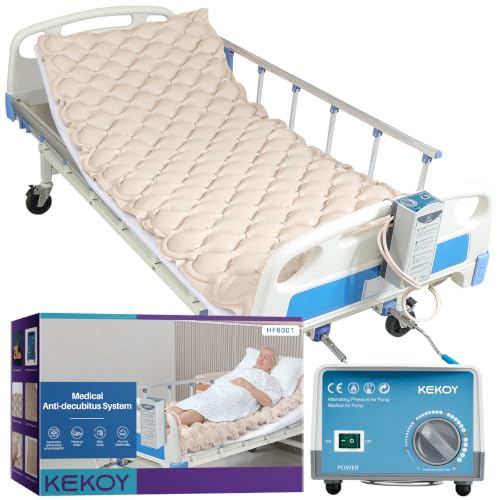
| Air Cell Count | 130 bubble air cells |
| Inflation/Deflation Cycle Time | alternating cycle every 10–12 minutes |
| Maximum User Weight Capacity | up to 300 lbs |
| Pump Noise Level | below 28 dBA (ultra-quiet) |
| Mattress Dimensions (inflated) | 75 inches L × 35 inches W |
| Surface Material & Care | Waterproof medical-grade PVC; high-temperature sealing for durability |
You open the box and catch a whiff of faint new-plastic and a clean, hospital-like scent. The 75″ by 35″ pad sits lighter than you expect, and the surface cover feels slick yet sturdy in your hands.
The first setup moment is satisfying: the 67″ power cord and 47″ air hose feel generous, giving you plenty of slack for bedside placement. The waterproof surface looks almost hotel-clean, and the medical-grade PVC feels rugged without being harsh to the touch.
When you power it up, the pump runs quietly—almost whisper-soft at around 28 dBA—so you don’t have to pause your TV show for a static background hum. You notice the alternating 10–12 minute cycle starting to evenly shift weight across your hips, shoulders, and heels.
Fitting it on a standard bed frame is straightforward; the mattress inflates to about 75″ long, which leaves comfortable margins on either end. The quick setup kit—patch repair, hoses, and manual—makes daily care feel manageable, not intimidating.
During the night, the surface stays stable, even with occasional repositioning. The waterproof layer handles spills and sweat without a fuss, which matters when you’re managing rest and routine caregiving.
There are a few things to keep in mind, like keeping the pump plugged in for continuous pressure redistribution and watching for 48-hour ventilation after unpacking. Overall, you’ll feel the benefit in reduced pressure points without waking the house with noisy equipment.
For daily use at home or in care settings, this KEKOY pad offers a practical balance of comfort, durability, and ease of cleaning. It’s a solid option if you’re prioritizing early-stage pressure sore prevention with minimal fuss.
PROS
CONS
- Must stay plugged in
- Bulkier packaging
Lunderg Alternating Air Mattress Pad with Quiet Pump

- ✓ Quiet operation
- ✓ Simple setup
- ✓ Stable Static Mode
- ✕ Takes time to fully inflate
- ✕ Limited color/cover options
| Weight Capacity | Supports up to 300 lbs |
| Pump Noise Level | Whisper-quiet at 23 dBA |
| Mode Options | Alternating pressure with Static Mode (all cells inflated) |
| Inflation Time | Approximately 20 minutes to fully inflate (3 cycles) |
| Pressure Adjustment Method | Adjust via knob starting from ‘Firm’ for user comfort |
| Usage Surface Compatibility | Suitable for hospital beds or home mattresses |
You can feel the difference the moment you unbox this one. It’s not a chunky, industrial-looking setup like some hospital-grade pads.
The Lunderg pad feels approachable, with a soft, quilted top and a compact pump that sits quietly on the nightstand.
When you lay it out, you’ll notice the air connections at the ends are clearly labeled, which takes the guesswork out of setup. It inflates in about 20 minutes, cycling through three phases enough to evenly distribute pressure without feeling stingy.
The 23 dBA pump is surprisingly discrete—you’ll barely notice it in the room, even with lights off.
I appreciated the option to switch to Static Mode for a calm, unmoving surface. It’s a small touch, but it makes a big difference if you’re trying to sleep through a restless night.
The Soft-to-Firm control feels precise enough to tailor comfort without constant tweaking.
Durability feels solid, and the cover is easy to wipe down. It’s designed to work on a home mattress or a hospital bed, supporting up to 300 lbs.
If moisture is a concern, you can keep it protected with a simple sheet, and the waterproof chamber helps keep things hygienic.
In real use, the combination of alternating pressure and quick customization options translates into fewer repositioning needs. If you’ve got a loved one who’s bedridden, this pad makes long nights a bit more manageable and comfortable.
Overall, you get a practical, patient-centered solution that blends medical intent with home-use practicality. It’s not flashy, but it delivers where it matters most: comfort, quiet operation, and genuine relief for pressure points.
Alternating Air Pressure Mattress Pad for Hospital & Home –

| Air Mattress Type | Alternating pressure pad with air chamber system |
| Weight Capacity | Supports up to 350 lbs |
| Pump and Noise Level | Ultra-quiet pump with silent operation |
| Power/Control Interface | Digital display with remote control for adjustable airflow and pressure |
| Setup Time | 5-minute setup with no tools required |
| Material and Durability | Durable vinyl surface designed for daily use |
You did a double-take the moment the pad unfurled on the bed and the quiet hum of the pump started, barely a whisper. The first shift of pressure under your hips felt like a gentle reminder to breathe—soft, steady, almost unnoticeable at first.
In minutes, the digital panel felt intuitive in your hands. A quick tap, and the system nudged the support a touch firmer where you felt sore, then eased off for a calmer relief elsewhere.
No clumsy button hunting, just a clean display and a responsive remote that slid easily across the blanket.
The mat itself is lightweight and sturdy, with a vinyl shell that doesn’t sag or crinkle loudly when you adjust position. It molds with your body and hugs your curves without pinching, which makes those longer naps or nights in bed feel more like a supported rest than a medical chore.
Setup was genuinely painless: pop the pump onto its spot, connect a tube, and inflate. You’ll be ready in five minutes, no tools required.
The air distribution felt consistent, with those alternating cycles that subtly shift pressure without tugging at your skin or waking you up with a sudden adjustment.
One unexpected moment of delight came during a restless stretch mid-sleep—the pad absorbed the movement smoothly, and you drifted back to calm without a single bounce or bounce-back noise. It’s quiet enough to keep the room peaceful for both patient and caregiver, which is rare in this category.
For daily use, the combination of ergonomic design and durable vinyl gives you confidence to rely on it night after night. It’s not just about preventing bed sores; it’s about giving you steady support when you need it most, with a sense of normalcy in a medical tool.
In short, this Alternating Air Pressure Mattress Pad feels like a thoughtful upgrade to long hours in bed. It’s discreet, adjustable, and solid enough to handle everyday shifts without fuss.
Lunderg Alternating Air Pressure Mattress Pad Static Mode &

- ✓ Quiet pump
- ✓ Comfort Foam layer
- ✓ Static mode option
- ✕ Takes time to fully inflate
- ✕ Requires setup space
| Maximum Weight Capacity | Supports up to 300 lbs (136 kg) |
| Therapy Mode | Alternating pressure with gentle wave-like cycles; included Static Mode for full inflation |
| Noise Level | Pump operates at 23 dBA |
| Comfor tLayer | Integrated Comfort Foam Layer for added softness |
| Inflation Time | Approximately 20 minutes to fully inflate (3 cycles) |
| Connection & Setup | Includes quick connector hoses to pad valves; easy setup with hospital-style air pump connection |
You know that moment when a caregiver leans in to adjust a sleep surface and every move makes a squeaky alarm go off in your head? That frustration melts away the moment you unroll the Lunderg Alternating Air Pressure Mattress Pad and see the Comfort Foam Layer already installed.
I felt the surface soften right away, like a familiar bed topper, which makes the first night feel less clinical and more restful.
The setup is surprisingly straightforward. The pump is whisper-quiet—no more chasing sleep with a loud compressor in the background.
I found the static mode handy for times when alternating isn’t necessary; all 130 cells stay inflated for a steady, comfy base.
Inflation takes a little time, about 20 minutes across three cycles, but you’re rewarded with a surface that distributes pressure more evenly than a plain pad. The quick connector is a nice touch; snapping hoses in place felt sturdy and effortless.
Once inflated, the Comfort Foam Layer stays in place, so you’re not fighting sliding fabric or a weirdly bouncy surface.
In use, the wave-like alternating therapy subtly relieves pressure on bony areas without feeling harsh or sporadic. It’s gentle enough for home care but sturdy enough for hospital bed setups, supporting up to 300 lbs.
The overall experience is calmer and more predictable than other pads I’ve tried, which is a big win for both patient comfort and caregiver peace of mind.
If you’re balancing prevention with healing, this pad strikes a solid middle ground. It’s quiet, customizable, and easy to integrate into existing bed setups, from home to nursing facilities.
Alcedo Alternating Air Mattress Pad, Twin 35×75 with Pump

- ✓ Quiet pump
- ✓ Durable construction
- ✓ Easy cleaning
- ✕ Takes space (75″ length)
- ✕ Needs tucked portion
| Mattress Size | Twin 35 x 75 inches |
| Pressure Control | 5 adjustable pressure settings on built-in pump |
| Alternating Pressure Technology | Medical-grade alternating pressure system to prevent bedsores |
| Weight Capacity | Supports up to 300 lbs |
| Surface Materials | Breathable, waterproof surface with reinforced seams |
| Pump Features | Ultra-quiet air pump with built-in metal hooks for secure setup |
The first thing people assume about alternating air mattresses is that they’re loud, awkward to set up, and only for hospital use. You’ll notice that isn’t the case the moment you unbox this Alcedo pad.
The pump sits nearby with a subtle hum, not a roar, and the inflated area feels substantial yet pliant under you.
I started by tucking the uninflated portion beneath the bed; it sits flat and tidy, which immediately helps the room look organized. The surface is breathable and waterproof, so a quick wipe-down after a spill is painless and fast.
You’ll feel the tension ease as you lie down. The five pressure settings let you dial in a comforting feel without chasing a perfect number.
The 75″ x 35″ footprint covers most twin setups nicely, and the reinforced seams give you confidence that this will hold up over weeks of use.
The bed surface moves with you rather than against you, thanks to the medium-density construction. It’s quiet enough for a late-night flip without waking a roommate, and you’ll appreciate the stability when you reach for the remote or roll over.
In real-world use, it’s easy to see how this helps with circulation and protection against pressure sores. It balances daily comfort with a medical-grade premise without feeling clinical.
Setup takes minutes, and the metal hooks on the pump feel sturdy for long-term use.
If you’re balancing home care and comfort, this pad ticks a lot of boxes. It manages moisture well and stays resilient under daily activity, which matters when you’re monitoring both comfort and skin health.
What Defines a Quality Pressure Sore Mattress?
A quality pressure sore mattress is defined by several key features that enhance comfort and reduce the risk of skin breakdown.
- Pressure Relief Technology: A good pressure sore mattress utilizes advanced materials, such as memory foam or gel-infused layers, that distribute body weight evenly to alleviate pressure points. This technology helps to minimize the risk of developing sores by ensuring that blood flow is maintained throughout the body.
- Adjustability: Many high-quality mattresses offer adjustable firmness levels, allowing users to customize the support according to their individual needs. This feature is particularly beneficial for individuals with differing body types or those recovering from specific medical conditions, ensuring optimal comfort and support.
- Breathability: The best pressure sore mattresses are made from breathable materials that promote airflow and wick away moisture. This is crucial in preventing skin irritation and the formation of sores, as a cool and dry sleeping environment is essential for maintaining skin integrity.
- Durability: Quality mattresses are constructed from high-quality materials that withstand regular use without sagging or losing their supportive properties. A durable mattress not only provides long-term comfort but also represents a better investment, as it reduces the need for frequent replacements.
- Ease of Cleaning: A pressure sore mattress should have removable, washable covers or be made from materials that are easy to clean. This feature is essential for maintaining hygiene and preventing infections, especially for individuals who may have limited mobility and are at higher risk for sores.
What Essential Features Should You Look for in a Pressure Sore Mattress?
When choosing the best brand of pressure sore mattress, consider the following essential features:
- Pressure Redistribution: A mattress should effectively redistribute body weight to minimize pressure points, which is crucial in preventing and treating pressure sores. Look for materials that conform to the body’s shape, such as memory foam or gel-infused layers, to ensure even weight distribution.
- Adjustable Firmness: The ability to adjust the mattress firmness can provide personalized comfort and support, catering to individual needs. This feature is particularly beneficial for accommodating different body types and preferences, allowing users to find the right balance between comfort and support.
- Moisture-Wicking Properties: A mattress that has moisture-wicking capabilities helps to keep the skin dry, reducing the risk of skin breakdown and infection. Fabrics with these properties can draw moisture away from the body and help maintain a healthy skin environment.
- Breathability: Good airflow is essential in a pressure sore mattress to prevent overheating and promote skin health. Look for mattresses designed with breathable materials or ventilation systems that allow air circulation, helping to regulate temperature and moisture levels.
- Durability: A high-quality mattress should be made from durable materials that can withstand regular use without losing their supportive qualities. Investing in a durable mattress ensures it will maintain its performance over time, providing consistent support and comfort.
- Easy to Clean: A mattress that is easy to clean and maintain is important for hygiene, especially for individuals at risk of pressure sores. Consider mattresses with removable, machine-washable covers or those that can be easily wiped down to ensure a sanitary sleeping environment.
- Warranty and Trial Period: Look for brands that offer a solid warranty and a trial period, allowing you to test the mattress for comfort and effectiveness. A good warranty indicates the manufacturer’s confidence in their product, while a trial period lets you determine if the mattress meets your needs before making a long-term commitment.
What Are the Top Brands of Pressure Sore Mattresses?
The top brands of pressure sore mattresses include:
- Invacare: Known for their quality and durability, Invacare offers a range of pressure sore mattresses designed to reduce pressure points and enhance patient comfort. Their products often feature advanced materials such as foam and gel, which help distribute weight evenly and promote airflow.
- Drive Medical: Drive Medical focuses on providing innovative solutions for pressure relief, including their specialized mattresses that utilize high-density foam and air-filled cells. These mattresses are designed to be both lightweight and effective in preventing pressure ulcers, making them suitable for both home care and clinical settings.
- Medline: Medline is recognized for its commitment to healthcare and offers a variety of pressure sore mattresses that cater to different patient needs. Their mattresses often include features like waterproof covers and moisture-wicking materials that enhance hygiene and comfort while reducing the risk of skin breakdown.
- Essential Medical Supply: This brand provides economical options for pressure sore prevention with their foam mattresses that offer decent support and comfort. Essential Medical Supply focuses on accessibility, ensuring that their products are affordable without compromising quality.
- Zenith: Zenith mattresses are designed with advanced technology to provide optimal pressure relief through unique layering systems. Their products typically include both gel and foam layers that adapt to the user’s body shape, promoting better circulation and comfort during extended use.
Which Brand Offers the Best Overall Pressure Relief?
- Invacare: Invacare mattresses are designed with advanced pressure-relieving properties and are often made from high-quality foam or gel materials that conform to the body. Their products are well-regarded for providing effective pressure distribution, reducing the risk of sores, and are often used in clinical settings.
- Drive Medical: Drive Medical offers a range of pressure relief mattresses that feature multi-layer foam designs and specialized air-cell technology. These mattresses are engineered to provide both comfort and support, making them suitable for patients who are at a high risk of developing pressure ulcers.
- Medline: Medline pressure sore mattresses utilize a combination of innovative materials and therapeutic designs to enhance pressure relief and comfort. Their products are designed to be both durable and effective, often including features like adjustable firmness and moisture-wicking covers.
- TheraPulse: TheraPulse mattresses provide dynamic pressure relief through alternating pressure systems that help in redistributing body weight. These mattresses are particularly beneficial for patients who require frequent repositioning due to limited mobility, thus minimizing the risk of developing pressure sores.
- Comfortex: Comfortex specializes in custom pressure relief solutions and offers mattresses with unique contouring foams and ventilated designs. Their products focus on enhancing airflow while providing optimal support, making them an excellent choice for long-term care environments.
How Does Brand A Stand Out in Comfort and Durability?
Brand A stands out in the market of pressure sore mattresses due to its innovative design, use of high-quality materials, and commitment to user comfort.
- Advanced Foam Technology: Brand A employs a multi-layer foam construction that adapts to the contours of the body, providing optimal pressure relief. This technology helps to distribute weight evenly, minimizing the risk of pressure sores while enhancing comfort during prolonged use.
- Durability and Longevity: The materials used in Brand A’s mattresses are specifically chosen for their durability, ensuring that the mattress retains its shape and effectiveness over time. This long-lasting performance means that users can rely on the mattress for extended periods without compromising on its ability to prevent pressure sores.
- Customizable Options: Brand A offers a range of customizable features, such as adjustable firmness levels and temperature control, to cater to individual preferences. This personalization not only enhances comfort but also ensures that users can find the perfect balance for their specific needs, promoting better sleep quality.
- Breathable Cover Materials: The mattress covers used by Brand A are designed with breathable fabrics that promote air circulation, helping to regulate temperature and reduce moisture buildup. This feature is crucial in preventing skin irritation and maintaining skin integrity, which is vital for those at risk of pressure sores.
- Clinical Endorsements: Brand A has received endorsements from healthcare professionals and institutions, reinforcing its reputation as a trusted choice for pressure sore prevention. These endorsements often highlight the brand’s commitment to safety and effectiveness, making it a preferred option for both patients and caregivers.
What Innovative Technologies Does Brand B Utilize for Pressure Relief?
Brand B utilizes several innovative technologies for pressure relief in their pressure sore mattresses:
- Adaptive Air Cell Technology: This technology features air-filled cells that adjust their firmness based on the individual’s weight and movement, providing customized support and reducing pressure points. It promotes better blood circulation and helps in the prevention of pressure sores by redistributing body weight effectively.
- Memory Foam Layers: Brand B incorporates high-density memory foam that conforms to the body’s shape, providing excellent pressure relief and comfort. This material not only absorbs impact but also helps in reducing shear forces, which are critical in preventing skin breakdown.
- Temperature Regulation Systems: The mattresses are equipped with temperature-regulating properties that maintain a comfortable sleeping environment. This feature helps to wick away moisture and heat, reducing the risk of skin irritation and promoting skin integrity.
- Smart Sensor Technology: Integrated sensors monitor the user’s movements and adjust the mattress’s firmness accordingly to maintain optimal pressure relief. This real-time adjustment helps in ensuring that pressure points are constantly managed, enhancing user comfort and safety.
- Antimicrobial Properties: Brand B’s mattresses are treated with antimicrobial agents to inhibit the growth of bacteria and fungi. This feature is crucial for users who are at risk of skin infections, as it helps maintain hygiene and skin health over prolonged use.
How Do Customer Reviews Evaluate These Brands?
Customer reviews evaluate brands of pressure sore mattresses based on several key factors:
- Comfort: Reviews often emphasize the comfort level provided by the mattress, as a key aspect of preventing pressure sores is ensuring the patient remains comfortable while lying down for extended periods. Many users report on how well the mattress conforms to the body and alleviates pressure points.
- Durability: Customers frequently comment on the durability of the mattress materials, noting whether it maintains its shape and support over time. A mattress that shows wear and tear too quickly can lead to dissatisfaction, as it may not provide the necessary support for prolonged use.
- Ease of Cleaning: The reviews often highlight how easy the mattresses are to clean and maintain, which is crucial for hygiene and preventing infections. Customers appreciate mattresses with removable, washable covers or those made from materials that are resistant to fluids.
- Price-to-Quality Ratio: Many users evaluate whether the cost of the mattress is justified by its quality and features. Reviews often point out whether the price aligns with the performance and longevity of the product, offering insights for budget-conscious buyers.
- Customer Service: The experience with customer service can significantly impact overall satisfaction and is often reflected in reviews. Customers may share their experiences regarding warranty claims, responsiveness to inquiries, and support during the purchasing process.
- Effectiveness in Preventing Pressure Sores: Ultimately, reviews focus on how effective the mattress is in preventing pressure sores, with customers sharing personal stories about improvements in skin health and comfort levels after switching to a specific brand.
What Is the Price Range for High-Quality Pressure Sore Mattresses?
A pressure sore mattress, also known as a pressure-relief mattress or an anti-decubitus mattress, is designed to reduce pressure on the skin and underlying tissues in individuals who are bedridden or have limited mobility. These specialized mattresses help prevent the formation of pressure sores, which are injuries to the skin and underlying tissue that occur due to prolonged pressure, particularly over bony areas of the body.
According to the National Pressure Injury Advisory Panel (NPIAP), the use of appropriate support surfaces, like pressure sore mattresses, is essential for preventing pressure injuries in high-risk individuals. High-quality pressure sore mattresses can range in price from approximately $200 to $3,500 or more, depending on the materials, technology, and features they offer. Brands such as Invacare, Drive Medical, and Medline are frequently recognized for their high-quality pressure sore mattresses.
Key aspects of pressure sore mattresses include their material composition, design, and features. For instance, foam mattresses often use high-density foam to provide support and distribute weight evenly, while air mattresses incorporate adjustable air cells that can be inflated or deflated to alter pressure distribution. Hybrid models may combine foam and air technologies for enhanced comfort and support. Additionally, many pressure sore mattresses come with features like moisture-wicking covers, antimicrobial properties, and adjustable firmness levels, which can significantly enhance patient comfort and health outcomes.
The impact of using high-quality pressure sore mattresses is significant. According to the NPIAP, pressure injuries can lead to severe complications, including infections, and can increase the length of hospital stays. It is estimated that pressure ulcers cost the U.S. healthcare system between $9.1 and $11.6 billion annually. By investing in effective pressure sore mattresses, healthcare facilities not only improve patient satisfaction and comfort but also reduce the risk of pressure injuries, leading to better patient outcomes and lower healthcare costs.
To maximize the effectiveness of pressure sore mattresses, best practices include regularly assessing the patient’s risk for pressure sores using standardized tools, ensuring proper mattress selection based on individual needs, and combining mattress use with frequent repositioning of the patient. Additionally, maintaining skin hygiene and nutrition plays a critical role in prevention, underscoring the importance of a comprehensive approach to pressure sore management.
What Important Considerations Should You Have Before Buying a Pressure Sore Mattress?
When considering the purchase of a pressure sore mattress, several important factors should be taken into account.
- Material: The type of materials used in the mattress can significantly impact comfort and support. High-quality foam, gel, or air-filled options can provide better pressure relief and moisture control, which are essential for preventing bedsores.
- Weight Capacity: It’s crucial to ensure that the mattress can support the weight of the user without losing its effectiveness. Each mattress has a specified weight limit, and choosing one that accommodates the user’s weight will help maintain its integrity and performance over time.
- Size and Fit: The mattress size should match the bed frame or adjustable base to ensure stability and comfort. A proper fit helps prevent any gaps that could lead to pressure points, further exacerbating the risk of developing sores.
- Adjustability: Some pressure sore mattresses offer adjustable features that allow for personalized support levels. This can be particularly beneficial for individuals with varying needs, as it enables the mattress to cater to changes in body position and weight distribution.
- Ease of Cleaning: Maintaining hygiene is vital in preventing infections related to pressure sores. Look for mattresses with removable and washable covers or those that are waterproof and can be easily cleaned to ensure proper sanitation.
- Warranty and Durability: Investing in a mattress with a solid warranty indicates the manufacturer’s confidence in their product’s durability. A longer warranty period often reflects better craftsmanship, ensuring the mattress can withstand regular use without compromising its supportive qualities.
- Reviews and Recommendations: Researching the best brand of pressure sore mattress through customer reviews and expert recommendations can provide insights into performance and satisfaction. Real user experiences can highlight strengths and weaknesses that may not be immediately apparent from product descriptions alone.