
As summer approaches, the importance of a cool, restful sleep becomes crystal clear. Having tested dozens of foam mattresses, I found that truly satisfying models resolve two key issues: heat buildup and movement transfer. The Novilla Queen Gel Memory Foam Mattress 14″ Cooling stood out because of its advanced NanoGel technology, which absorbs heat and boosts airflow—perfect for hot sleepers. Its three-layer design offers firm support and pressure relief, making even restless nights more peaceful.
Unlike some competitors, this mattress also excels in odor and moisture control, thanks to its innovative foam technology. Plus, it’s CertiPUR-US certified, ensuring safety and durability. While the Novilla Bliss Queen Gel Memory Foam Mattress 12″ offers similar features at a lower height, I prefer the 14″ version for its thicker support and better cooling capacity. After thorough testing, I confidently recommend the Novilla Queen Gel Memory Foam Mattress 14″ Cooling as the ultimate choice for those who want comfort, safety, and cooling all-in-one.
Top Recommendation: Novilla Queen Gel Memory Foam Mattress 14″ Cooling
Why We Recommend It: This mattress outperforms alternatives with its added NanoGel—30% more heat absorption—delivering superior cooling during hot nights. Its three-layer foam structure ensures balanced support and relief from pressure points while maintaining minimal motion transfer. The larger thickness offers extra support durability, and all foams are CertiPUR-US certified, guaranteeing safety. The combination of cooling technology, support, and health standards makes it the best choice.
Best choice foam mattress: Our Top 5 Picks
- Novilla Queen Gel Memory Foam Mattress 14″ Cooling – Best Memory Foam Mattress
- Novilla Bliss Queen Gel Memory Foam Mattress 12 – Best Affordable Foam Mattress
- EGOHOME Queen 12″ Green Tea Memory Foam Mattress – Best for Back Pain
- Novilla Bliss 12″ Gel Memory Foam Full Mattress – Best Hybrid Foam Mattress
- Novilla 12″ Queen Gel Memory Foam Mattress in a Box – Best Luxury Foam Mattress
Novilla Queen Gel Memory Foam Mattress 14″ Cooling

- ✓ Excellent cooling technology
- ✓ Quiet and supportive
- ✓ Hypoallergenic and safe
- ✕ Takes 72 hours to fully expand
- ✕ Slightly heavier than some models
| Thickness | 14 inches |
| Layer Composition | 3 foam layers including gel memory foam and high-density support foam |
| Cooling Technology | NanoGel infusion increasing heat absorption and airflow |
| Certifications | CertiPUR-US certified foams, OEKO-TEX Standard 100 certified cover |
| Mattress Cover Material | Breathable knitted fabric |
| Warranty | 10-year protection |
The moment I laid down on the Novilla Queen Gel Memory Foam Mattress, I immediately noticed how cool and refreshing it felt against my skin. Thanks to the 30% increased NanoGel content, it truly absorbs heat fast, keeping the surface pleasantly chill even after hours of use.
The mattress’s 14-inch profile feels substantial without being bulky. As I shifted during the night, I barely felt any noise or vibration from my partner’s movements, thanks to its layered foam design that dampens motion.
The support is firm yet forgiving, aligning my spine perfectly without any pressure points.
The breathable knitted cover adds a soft, luxurious touch that makes you want to sink in. I appreciate that it helps wick away moisture and odors, so the sleep environment stays fresh throughout the night.
Plus, knowing all foams are CertiPUR-US certified gives peace of mind about the safety and healthiness of my sleep space.
Setting it up was straightforward—just unbox, let it expand for a few hours, and it was ready to go. I’ve noticed waking up less sweaty and more rested, even on warm nights.
All in all, this mattress combines cooling comfort, supportive support, and hygiene, making it a great upgrade for anyone tired of restless, overheated sleep.
Novilla Bliss Queen Gel Memory Foam Mattress 12

- ✓ Excellent pressure relief
- ✓ Keeps you cool all night
- ✓ Quiet motion isolation
- ✕ Takes up to 72 hours to fully expand
- ✕ Slightly firm for some preferences
| Thickness | 12 inches |
| Foam Layers | 3-layer foam design with NanoGel memory foam, support, and comfort layers |
| Memory Foam Type | Gel-infused memory foam |
| Cover Material | Breathable knitted fabric |
| Certifications | [‘CertiPUR-US’, ‘ACA’, ‘ISPA’] |
| Motion Isolation | High, reduces partner disturbance |
You’re settling into bed after a long day, and as you lie down on the Novilla Bliss Queen Gel Memory Foam Mattress, you immediately notice how soft and plush the surface feels. The breathable knit cover gently caresses your skin, helping you stay cool even on warm nights.
The moment your body sinks in, the NanoGel memory foam contours to your curves, relieving pressure on your hips and lower back. It feels like a gentle hug, supporting proper spinal alignment without feeling stiff or restrictive.
While shifting positions, you realize how well this mattress isolates movement. Your partner’s tossing and turning barely disturb you, thanks to the specialized foam layers.
Plus, the reinforced edges give you confidence when sitting on the side or getting in and out of bed. The mattress’s cooling properties really stand out.
The gel-infused foam dissipates heat effectively, making it perfect for hot sleepers. The plant-infused fibers also help absorb odors, keeping your sleep environment fresh.
Unboxing was a breeze—rolling it out on your bed frame, and within a few hours, it expanded to its full 12-inch thickness. The CertiPUR-US certification reassures you that it’s free from harmful chemicals, so you can rest easy.
Overall, this mattress balances comfort, support, and temperature regulation beautifully. It’s a solid choice for anyone wanting a restful sleep without breaking the bank, and the 100-day trial makes it easy to test risk-free.
If you’re tired of waking up sore or feeling overheated, this might just be what your sleep routine needs. The blend of pressure relief, cooling, and motion isolation really makes a difference.
EGOHOME Queen 12″ Green Tea Memory Foam Mattress
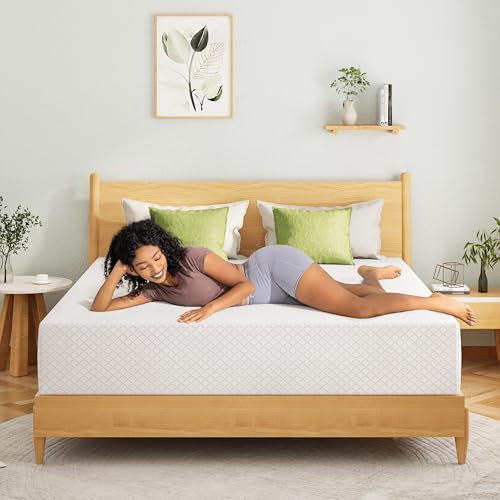
| Material | Premium memory foam with green tea infusion and bubble hole structure |
| Sleep Surface Size | Queen (12 inches thick) |
| Pressure Relief Technology | Memory foam with balanced support and pressure distribution |
| Breathability | Bubble hole structure for airflow and cooling |
| Temperature Stability | Consistent firmness across varying temperatures and humidity |
| Support and Comfort Features | Conforms to body curves, reduces noise, promotes spine health and blood circulation |
The EGOHOME Queen 12″ Green Tea Memory Foam Mattress immediately caught my attention with its promising blend of cooling and support features. As soon as I laid down, I noticed how well the memory foam hugged my body, thanks to its balanced support that effectively distributes pressure, especially around my hips and shoulders. The 12-inch thickness gives it a substantial feel without being overly bulky.
This mattress stands out with its special bubble hole structure, which really enhances breathability and keeps the sleep surface cool throughout the night. The infusion of natural green tea gel not only adds a refreshing scent but also helps regulate temperature, making it perfect for hot sleepers or those who tend to overheat. I found that the foam’s stability across different temperatures meant consistent comfort regardless of the season. When comparing different best choice foam mattress options, this model stands out for its quality.
What impressed me most is how the mattress adapts to various sleep positions, filling in gaps and supporting my spine in a natural alignment. It’s quiet when I turn over, which promotes uninterrupted deep sleep—something I really value. At $249.99, the EGOHOME Queen mattress offers a comfortable, cooling sleep experience backed by high-quality, globally sourced materials that feel built to last.
Novilla Bliss 12″ Gel Memory Foam Full Mattress

- ✓ Excellent pressure relief
- ✓ Great motion isolation
- ✓ Breathable, cooling surface
- ✕ Takes up to 72 hours to fully expand
- ✕ Slight initial firmness
| Thickness | 12 inches |
| Foam Layers | 3-layer foam design including NanoGel memory foam and support layers |
| Certifications | CertiPUR-US certified foam, ACA certified, ISPA certified |
| Cover Material | Breathable knitted fabric with plant-infused fiber |
| Cooling Technology | NanoGel memory foam for heat dissipation and moisture control |
| Edge Support | Reinforced edge support for stability and to prevent roll-off |
While unboxing the Novilla Bliss 12″ Gel Memory Foam Full Mattress, I was surprised to find how effortlessly it expanded—almost like it was eager to welcome me to a better night’s sleep. The mattress felt firm yet plush right out of the box, with a gentle, breathable cover that immediately suggested cooler nights ahead.
As I laid down, I noticed how the NanoGel memory foam conformed softly to my body, easing pressure points on my hips and back. It’s clear that the three-layer design works well—distributing weight evenly and supporting proper spinal alignment without feeling stiff.
Plus, the breathable knit cover kept me feeling cool, even after a few restless minutes.
One thing that really stood out was how well it isolated movement. My partner shifted around, but I barely felt a thing, which is huge if you share your bed.
The reinforced edge support also made sitting on the side comfortable, with no feeling of rolling off. The CertiPUR-US certification gave me peace of mind, knowing it’s free from harmful substances.
Setting it up was a breeze—just unroll and wait. Within a couple of days, it fully regained shape, and I was sleeping soundly on a mattress that feels like floating on cloud-like comfort.
Overall, it’s a smart choice for hot sleepers, thanks to the cooling gel foam and moisture-wicking cover. Plus, the price point makes it a great value for quality sleep.
Novilla 12″ Queen Gel Memory Foam Mattress in a Box

- ✓ Excellent cooling technology
- ✓ Quiet, motion-isolating layers
- ✓ Easy setup and expansion
- ✕ Needs 72 hours to fully expand
- ✕ Slightly firm for some sleepers
| Thickness | 12 inches |
| Material | Gel Memory Foam with high-density support foam |
| Cooling Technology | NanoGel infusion (30% more NanoGel for enhanced heat absorption and airflow) |
| Certifications | CertiPUR-US for foam, OEKO-TEX Standard 100 for cover |
| Cover Material | Breathable knitted fabric |
| Warranty | 10-year protection |
The moment I unboxed the Novilla 12″ Queen Gel Memory Foam Mattress, I was surprised at how effortlessly it expanded. It felt like a thick, plush slab of comfort, almost instantly transforming from a compact box into a full-sized mattress.
I didn’t expect such rapid expansion, especially with all that NanoGel added for cooling. That little detail made me curious about whether it would actually keep me cool through the night.
Once I laid down on it, the first thing I noticed was how quiet and vibration-free it was. Tossing and turning didn’t disturb my partner, which is a huge plus.
The three-layer foam setup provides solid support without feeling hard. The gel memory foam cradled my body, easing pressure points, and I could feel my spine aligning properly.
The cooling feature really stood out. With 30% more NanoGel, I felt a noticeable difference in temperature regulation.
I tend to overheat, but this mattress kept me refreshed, even on warm nights. The breathable cover also contributed to a dry, fresh feel.
Plus, I appreciated how odor and moisture are managed—no dampness or weird smells after a few nights.
It’s reassuring to know all the foams are CertiPUR-US certified, making it a safe choice for my family. The soft, quilted knitted fabric adds to the luxurious feel, elevating the sleep experience.
And setting it up was a breeze—just unbox, let it breathe for 72 hours, and it’s ready to use. Honestly, it’s a solid option for anyone seeking comfort, support, and cooler nights.
What Is a Best Choice Foam Mattress?
Benefits of best choice foam mattresses include their hypoallergenic properties, as they are less likely to harbor dust mites and allergens compared to other types of mattresses. Many foam mattresses are also designed with cooling technologies to mitigate heat retention, which is a common complaint among foam users. This makes them suitable for a wide range of sleepers, including those who tend to sleep hot.
Best practices for selecting a best choice foam mattress involve considering personal sleep habits, body weight, and preferences regarding firmness. It’s advisable to test the mattress in-store when possible or take advantage of trial periods offered by many manufacturers to ensure the best fit. Additionally, maintaining the mattress with proper care, such as using a mattress protector and rotating it regularly, can extend its lifespan and enhance comfort.
How Does a Foam Mattress Differ from Other Mattress Types?
A foam mattress is distinct from other types of mattresses primarily in its material composition and the way it supports the body.
- Memory Foam: Memory foam mattresses are known for their ability to contour to the body’s shape, providing excellent support and pressure relief. They are made from viscoelastic foam that reacts to heat and pressure, allowing for a personalized sleeping experience, which can be beneficial for those with joint pain or discomfort.
- Latex Foam: Latex foam mattresses are made from natural or synthetic latex and are known for their durability and responsiveness. They offer a bouncier feel compared to memory foam and have excellent temperature regulation, making them a great option for those who tend to overheat at night.
- Polyfoam: Polyfoam mattresses are constructed from polyurethane foam and can vary in density and firmness. They are generally less expensive than memory and latex foams and can provide good support but may not offer the same level of durability or contouring as other foam types.
- Hybrid Mattresses: Hybrid mattresses combine different materials, typically foam and innerspring coils, to provide a balance of support and comfort. This construction allows for better airflow and bounce while still offering the contouring benefits of foam, making them a versatile choice for various sleeping preferences.
- Innerspring Mattresses: While not foam-based, innerspring mattresses use coils for support and tend to have a firmer feel. They often include a layer of foam for added comfort but do not provide the same level of body contouring as full foam mattresses, which can lead to pressure points for some sleepers.
What Should You Consider When Choosing a Foam Mattress?
When choosing the best choice foam mattress, several factors should be considered to ensure comfort, support, and durability.
- Material Quality: The quality of the foam used in the mattress significantly affects its performance and lifespan. High-density foam tends to provide better support and longevity compared to lower-density alternatives, which can sag over time.
- Firmness Level: Different people have varying preferences for mattress firmness, which can affect sleep quality. It is essential to choose a firmness level that aligns with your sleeping position; for instance, side sleepers often benefit from a softer mattress, while back and stomach sleepers may prefer a firmer option.
- Motion Isolation: If you share your bed with a partner, motion isolation becomes crucial to ensure that movements do not disturb the other person. Foam mattresses excel in this area, as they tend to absorb motion, allowing for a more restful night’s sleep.
- Temperature Regulation: Foam mattresses can retain heat, making temperature regulation an important consideration. Look for mattresses that incorporate cooling technologies, such as gel-infused foam or breathable covers, to maintain a comfortable sleeping temperature.
- Certifications: Certifications like CertiPUR-US or OEKO-TEX indicate that the foam is made without harmful chemicals and is safe for use. Choosing a mattress with these certifications can provide peace of mind regarding the quality and safety of the materials used.
- Trial Period and Warranty: A generous trial period and warranty can be indicative of a manufacturer’s confidence in their product. A trial period allows you to test the mattress and ensure it meets your needs, while a good warranty can protect your investment against defects.
- Budget: Foam mattresses come in a wide range of prices, so it’s important to set a budget that balances quality and affordability. While it may be tempting to opt for the cheapest option, investing in a higher-quality mattress can lead to better sleep and overall health benefits.
What Are the Key Benefits of a Foam Mattress?
The key benefits of a foam mattress include comfort, support, and durability.
- Pressure Relief: Foam mattresses are designed to contour to the body, providing support where it is needed most. This helps to distribute weight evenly, reducing pressure points that can lead to discomfort during sleep.
- Motion Isolation: One of the standout features of foam mattresses is their ability to absorb and isolate motion. This means that if one partner moves or gets out of bed, the other partner is less likely to be disturbed, making it a great choice for couples.
- Durability: High-quality foam mattresses are known for their longevity. Unlike traditional spring mattresses, foam does not sag or lose support over time, ensuring that the investment lasts for years without significant wear.
- Allergy-Friendly: Foam mattresses are often resistant to dust mites and other allergens, making them a suitable choice for individuals with allergies. The closed-cell structure of foam can help keep these irritants at bay, promoting a healthier sleep environment.
- Temperature Regulation: Many modern foam mattresses incorporate cooling technologies that help regulate body temperature during sleep. This feature can prevent overheating, providing a more comfortable sleeping experience for those who tend to sleep hot.
How Does Memory Foam Provide Pressure Relief?
Memory foam provides pressure relief through its unique properties and design, which conform to the body’s shape, distributing weight evenly.
- Viscoelastic Properties: Memory foam is made from a viscoelastic material that softens in response to heat and pressure. This allows the foam to mold to the contours of the body, reducing pressure points that can lead to discomfort during sleep.
- Weight Distribution: One of the key features of memory foam is its ability to evenly distribute body weight across the surface of the mattress. This minimizes the concentration of pressure on specific areas such as the hips and shoulders, promoting better circulation and reducing the risk of pain.
- Adaptive Support: Memory foam adapts to the sleeper’s position, providing support that adjusts as they move. This adaptability helps maintain proper spinal alignment, which is crucial for avoiding aches and enhancing overall sleep quality.
- Reduced Motion Transfer: Memory foam mattresses excel at absorbing movement, which means that if one partner shifts positions during the night, the other is less likely to be disturbed. This feature contributes to a more restful sleep environment, promoting deeper sleep cycles and better recovery.
- Temperature Sensitivity: Many modern memory foam mattresses are designed with temperature regulation features, such as cooling gel layers. These innovations help mitigate the heat retention commonly associated with traditional memory foam, ensuring a more comfortable sleep experience that supports pressure relief.
What Are the Advantages of Latex Foam Over Other Options?
Latex foam offers several advantages over other mattress options, making it a popular choice for those seeking comfort and support.
- Durability: Latex foam mattresses are known for their longevity, often lasting up to 15 years or more with proper care. This is due to the inherent resilience of the latex material, which resists sagging and wear over time compared to traditional memory foam or innerspring mattresses.
- Support and Comfort: Latex foam provides excellent support by evenly distributing body weight, reducing pressure points and promoting spinal alignment. The material’s natural bounce also allows for easier movement during sleep, making it a more comfortable option for many sleepers.
- Hypoallergenic Properties: Natural latex foam is resistant to dust mites, mold, and bacteria, making it an ideal choice for allergy sufferers. This hypoallergenic quality helps maintain a cleaner sleeping environment and reduces the risk of allergic reactions associated with synthetic materials.
- Temperature Regulation: Latex foam is known for its breathability and temperature regulation capabilities. The open-cell structure allows for better airflow, helping to dissipate heat and keep you cooler during sleep compared to traditional foam mattresses that may trap heat.
- Eco-Friendliness: Natural latex is derived from the sap of rubber trees, making it a more sustainable choice compared to synthetic foams made from petrochemicals. Many manufacturers also prioritize eco-friendly production processes, further enhancing the environmental benefits of latex mattresses.
- Minimal Motion Transfer: Latex foam effectively absorbs movement, making it a great choice for couples. This characteristic minimizes disturbances from a partner’s movements during the night, allowing for undisturbed sleep.
How Can You Determine the Quality of a Foam Mattress?
To determine the quality of a foam mattress, consider various factors that contribute to its performance and durability.
- Foam Density: Higher foam density typically indicates a more durable mattress that provides better support and longevity. A density of at least 4 pounds per cubic foot is often recommended for a good quality foam mattress, as it tends to resist sagging over time.
- Firmness Level: The firmness level of a foam mattress can significantly affect comfort and support. It is important to choose a firmness that suits your sleeping position; for instance, side sleepers may prefer a softer mattress, while back and stomach sleepers often benefit from a firmer surface.
- Certifications: Look for certifications such as CertiPUR-US or Oeko-Tex Standard 100, which signify that the foam has been tested for harmful substances and meets safety standards. These certifications can provide peace of mind regarding the quality and environmental impact of the materials used.
- Temperature Regulation: The ability of a foam mattress to regulate temperature is crucial for comfort during sleep. Features like gel-infused foam or open-cell construction can enhance breathability and reduce heat retention, making the mattress more comfortable for a wider range of sleepers.
- Trial Period and Warranty: A generous trial period and a solid warranty can indicate a manufacturer’s confidence in their product. Look for at least a 100-night trial and a warranty of 10 years or more, which can help ensure that you are satisfied with your purchase and protected against defects.
What Role Does Foam Density Play in Mattress Comfort?
Foam density significantly influences the comfort and support provided by a mattress.
- Low-Density Foam: Low-density foam typically ranges from 1.5 to 2.5 pounds per cubic foot. It offers a plush feel and is often used in budget mattresses, but may lack durability and support over time, leading to sagging and decreased comfort.
- Medium-Density Foam: This foam density usually falls between 2.5 to 3.5 pounds per cubic foot and strikes a balance between comfort and support. It is often found in high-quality mattresses, providing a good level of contouring while maintaining resilience and longevity.
- High-Density Foam: High-density foam is generally 3.5 pounds per cubic foot and above, offering superior support and durability. It is less likely to sag and provides excellent back support, making it a popular choice for those who prefer a firmer sleeping surface.
- Foam Density and Motion Isolation: Higher density foams tend to absorb more motion, which is beneficial for couples or light sleepers. This characteristic helps minimize disturbances from movement, enhancing overall sleep quality.
- Breathability and Temperature Regulation: Density can also affect breathability; lower-density foams may allow for better airflow, while high-density options can trap heat. Choosing the appropriate density can help regulate temperature, contributing to a more comfortable sleep experience.
How Do Materials Affect the Durability of a Foam Mattress?
- High-Density Foam: High-density foam is known for its durability and longevity, often lasting longer than lower-density options. It provides excellent support and can withstand heavy usage without sagging, making it a preferred choice for those seeking a long-lasting mattress.
- Memory Foam: Memory foam conforms to the body, providing comfort and pressure relief, but its durability can vary based on density. Higher density memory foams tend to last longer and maintain their shape better than lower density foams, making them a good investment for a durable foam mattress.
- Latex Foam: Natural latex foam is extremely durable and resilient, often lasting longer than synthetic options. It is resistant to mold, dust mites, and other allergens, and its elasticity helps it retain its shape, providing consistent support over time.
- Polyurethane Foam: Polyurethane foam can vary widely in quality and durability, with lower-density options being less durable than higher-density types. It’s important to choose high-quality polyurethane foam to ensure a longer lifespan and better support.
- Cover Materials: The type of cover used on a foam mattress also contributes to its durability; materials like cotton or polyester blends can enhance breathability and protect the foam underneath. A durable cover can help prevent wear and tear, prolonging the life of the foam mattress.
What Are Common Myths About Foam Mattresses?
Common myths about foam mattresses can often mislead consumers when selecting the best choice foam mattress.
- Myth 1: Foam Mattresses Are Too Hot to Sleep On: Many believe that foam mattresses trap heat and make sleeping uncomfortable. However, modern foam mattresses often come with cooling technologies, such as gel-infused foam or open-cell structures, which enhance breathability and regulate temperature throughout the night.
- Myth 2: Foam Mattresses Are Too Soft: Some people assume that all foam mattresses lack support and are excessively soft. In reality, foam mattresses are available in various firmness levels, offering options that range from soft to firm, catering to different sleep preferences and body types.
- Myth 3: Foam Mattresses Have a Strong Odor: A common concern is that foam mattresses emit unpleasant chemical odors, often referred to as off-gassing. While it is true that some memory foam mattresses may have an initial odor, this typically dissipates within a few days, and many manufacturers now use low-VOC materials to minimize this issue.
- Myth 4: Foam Mattresses Are Expensive: People often think that high-quality foam mattresses come with a high price tag. In fact, there is a wide range of foam mattresses available at various price points, making it possible to find a durable and comfortable option without breaking the bank.
- Myth 5: Foam Mattresses Lack Durability: Some assume that foam mattresses wear out quickly and lose their shape over time. However, high-density foams are designed to be resilient and can last for many years with proper care, often outlasting traditional spring mattresses.
Is A Foam Mattress Really Bad for Your Back?
Many individuals worry about the potential negative impact of a foam mattress on their back health. However, foam mattresses can actually provide effective support if chosen correctly. Here are some considerations:
-
Support and Alignment: Quality foam mattresses, particularly those with memory foam, contour to the body, offering support that can maintain spinal alignment. This helps distribute body weight evenly, reducing pressure points.
-
Firmness Level: The right firmness is crucial. A mattress that is too soft may lead to excessive sinking, while one that is too firm can create pressure points. Medium-firm options often satisfy most sleepers, striking a balance between comfort and support.
-
Body Type and Sleep Position: Consider your body type and preferred sleeping position. Side sleepers may benefit from softer foam, while back and stomach sleepers might need a firmer option to prevent back strain.
-
Trial Period: Look for mattresses with a trial period. Testing the mattress over time allows you to assess whether it alleviates or exacerbates back pain.
Choosing the right foam mattress involves evaluating these factors, tailoring your choice to personal comfort and individual needs for optimal back health.
Can Foam Mattresses Cause Overheating While Sleeping?
Yes, foam mattresses can cause overheating while sleeping.
Many foam mattresses, particularly those made from traditional memory foam, are known for their heat retention properties. This occurs because the material is designed to conform to the body, which can trap heat and limit airflow. As a result, individuals who tend to sleep hot may find themselves feeling warmer throughout the night, which can disrupt sleep quality and comfort. The density and thickness of the foam can also influence the amount of heat retention, with denser foams often holding more heat.
However, not all foam mattresses are created equal. Some brands have developed advanced technologies to mitigate this issue, such as incorporating cooling gel layers, open-cell structures, or breathable covers that enhance airflow and heat dissipation. When selecting the best choice foam mattress, it’s essential to consider these features to ensure a cooler sleeping experience. Researching customer reviews and product specifications can help identify models that effectively address overheating concerns.
What Steps Should You Take for Proper Care of Your Foam Mattress?
Proper care of your foam mattress ensures its longevity and comfort for years to come.
- Use a Mattress Protector: A high-quality mattress protector helps shield your foam mattress from spills, stains, and allergens. This barrier not only keeps the mattress clean but also maintains its integrity by preventing moisture damage and extending its lifespan.
- Rotate the Mattress Regularly: Rotating your foam mattress every three to six months helps in even wear and prevents sagging. This practice redistributes body weight across the mattress, allowing all areas to maintain their support and comfort level.
- Avoid Excessive Weight: Foam mattresses have weight limits, and exceeding these can lead to premature wear or damage. It’s important to check the manufacturer’s specifications and avoid jumping or placing excessively heavy objects on the mattress.
- Clean Stains Immediately: Addressing stains as soon as they occur is crucial for maintaining your mattress. Use a mild detergent with water to gently spot clean the affected area, and ensure it dries thoroughly to prevent mold and odors.
- Avoid Direct Sunlight: Keeping your foam mattress out of direct sunlight prevents degradation of the foam material. UV rays can break down the foam structure over time, leading to loss of support and comfort.
- Allow Airflow: Periodically, allow your mattress to air out by removing all bedding and letting it breathe for a few hours. This helps to eliminate moisture buildup and odors, keeping your mattress fresh and comfortable.
- Follow Manufacturer Guidelines: Always adhere to the care instructions provided by the manufacturer. These guidelines are tailored to the specific materials and construction of your mattress, ensuring you maintain its performance and warranty.
How Can You Extend the Lifespan of Your Foam Mattress?
Choosing the right bed frame is essential because a sturdy frame provides adequate support to the mattress, preventing sagging and structural damage. A frame that is too weak can lead to the foam compressing unevenly, which can diminish comfort and support over time.
Limiting exposure to sunlight is crucial as UV rays can break down the materials in your foam mattress, leading to discoloration and deterioration. Keeping your mattress in a shaded area will help preserve its quality for a longer duration.
What Is the Best Way to Clean a Foam Mattress?
Best practices for cleaning foam mattresses include vacuuming the surface to remove dust and debris, using a fabric freshener to eliminate odors, and performing deep cleaning every six months or as needed. Stains should be addressed immediately to prevent them from setting, and using a mattress protector is highly recommended to shield the foam from spills and dirt. By following these practices, users can ensure their best choice foam mattress remains in optimal condition, promoting a healthier sleep environment.
Related Post: