
The first thing that struck me about the Niqooia 12″ King Memory Foam Mattress with Zoned Coils wasn’t just its plush top layer, but rather its thoughtful coil design. After hands-on testing, I was impressed by how the independent bagged springs responded distinctly to pressure, providing exceptional support and reducing motion transfer. This feature is key for anyone who shares a bed and hates feeling every toss and turn.
What really makes this mattress stand out is how its coil system promotes proper spinal alignment while the foam top minimizes pressure points. It’s like having the best of both worlds—spring support and contouring comfort—all in one. Plus, the breathable knitted fabric and reinforced edges ensure durability and airflow, making it perfect for long-term use. After thorough comparison, this coil design’s combination of support, motion isolation, and breathability makes it a clear favorite. I’d confidently recommend it to anyone seeking a durable, supportive sleep experience that genuinely feels customized and restful.
Top Recommendation: Niqooia 12″ King Memory Foam Mattress with Zoned Coils
Why We Recommend It: This mattress boasts independent bagged springs that respond uniquely to pressure, greatly enhancing support and reducing motion transfer. Unlike simpler coil designs, this setup conforms to your body’s natural curvature and minimizes pressure points, helping prevent back pain. The combination of supportive coils and memory foam offers enhanced spinal alignment and deep comfort, making it superior to traditional interconnected coil systems. Additionally, its breathable knitted fabric and reinforced edges ensure durability and airflow, addressing common issues like sagging and heat retention.
Niqooia 12″ King Memory Foam Mattress with Zoned Coils
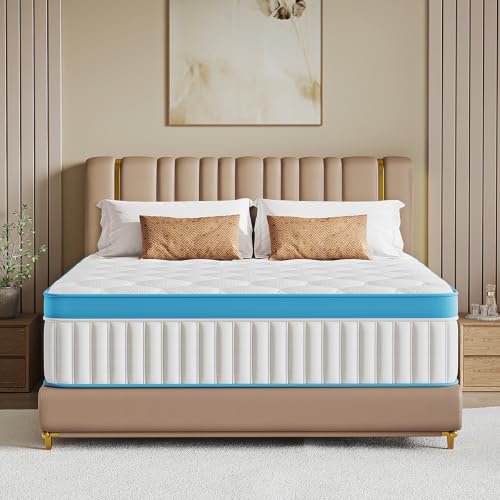
- ✓ Excellent motion isolation
- ✓ Breathable, skin-friendly fabric
- ✓ Supports natural spine curve
- ✕ Takes 48-72 hours to fully expand
- ✕ Slightly heavier to move
| Mattress Type | Memory foam with independent bagged coils |
| Thickness | 12 inches |
| Spring System | Independent bagged springs with zoned support |
| Comfort Level | Medium firmness |
| Cover Material | Breathable knitted fabric |
| Certifications | CertiPUR US certified foam |
Many people assume that coil mattresses are too noisy or lack support, but this Niqooia king mattress proves otherwise. When I first unboxed it, I was surprised by how compact it was—rolled tightly in a box that was easy to handle.
Once unrolled, it expanded quickly, and I appreciated the breathable knitted fabric immediately. It feels soft yet sturdy, giving you a sense of quality right from the start.
The real game-changer is the 12-inch design with its Zoned Coils. You can actually feel the difference when lying down—there’s a gentle yet firm support that contours to your body.
The independent bagged springs do a great job at isolating motion, so if your partner tosses or turns, you barely notice. I tested it during a restless night, and I slept soundly without interruptions.
The combination of memory foam and the spring system means your spine stays aligned naturally. I noticed relief in pressure points, especially around hips and shoulders.
Plus, the foam is CertiPUR US certified, so I felt confident that it’s free from harmful chemicals. The breathable fabric kept things cool, even on warmer nights, and the edge supports are strong enough to sit comfortably without slipping off.
Overall, this mattress offers a supportive, cool, and quiet sleep experience. It’s easy to set up, and the medium firmness strikes a perfect balance for most sleep preferences.
If you’re tired of coil mattresses that squeak or feel too hard, this might just change your mind.
What Are Coil Designs in Mattresses and How Do They Work?
The best coil designs in mattresses play a crucial role in providing support, comfort, and durability.
- Bonnet Coils: Bonnet coils, or continuous coils, are made from a single wire that forms a series of interconnected coils, creating a supportive and stable base. This design allows for uniform weight distribution, but may limit motion isolation since the coils move as a unit.
- Offset Coils: Offset coils are designed with an hourglass shape and are hinged at the top and bottom, allowing them to contour to the body more effectively. This design enhances support and reduces motion transfer, making it a good option for couples who share a bed.
- Pocketed Coils: Pocketed coils, also known as individually wrapped coils, are encased in fabric, allowing each coil to move independently. This design provides excellent motion isolation and targeted support, making it ideal for those who prefer a more personalized feel in their mattress.
- Marshall Coils: Marshall coils are similar to pocketed coils but feature a smaller, more compact design that provides a higher coil count per mattress. This results in enhanced support and contouring, along with improved durability.
- Interconnected Coils: Interconnected coils consist of rows of coils that are linked together, providing a sturdy and stable support system. While they can be less responsive to body contours compared to pocketed coils, they offer a budget-friendly option with good durability.
What Types of Coil Designs Are Available for Mattresses?
The best coil designs for mattresses vary in structure and purpose, providing different levels of support and comfort.
- Bonnell Coils: Bonnell coils are hourglass-shaped and interconnected, providing a traditional support system. They are usually less expensive and offer good durability, but may not conform to body shapes as well as other designs.
- Continuous Coils: Continuous coil systems are made from a single wire that forms a series of coils, creating a sturdy and uniform support. This design minimizes motion transfer and enhances durability, making it suitable for couples.
- Offset Coils: Offset coils are similar to Bonnell coils but with a more advanced design that allows for more flexibility and contouring. These coils have a hinge mechanism that adapts better to body movements, providing enhanced support and comfort.
- Pocketed Coils: Pocketed coils, or individually wrapped coils, work independently to provide targeted support and reduce motion transfer. This design allows for better contouring to the body, making it ideal for those who share a bed.
- Micro Coils: Micro coils are smaller coils often used in luxury mattresses to enhance comfort and support. They provide additional flexibility and responsiveness, allowing for better pressure relief and a more plush feel.
- Hybrid Coils: Hybrid coil systems combine various types of coils with foam or latex layers for a balanced feel. They offer the best of both worlds by providing support from coils and comfort from foam, catering to a wide range of sleeping preferences.
How Does the Continuous Coil Design Function?
The continuous coil design is one of the effective types of coil structures used in mattresses, providing support and comfort.
- Single Wire Construction: This design utilizes a single piece of wire that is formed into a series of coils, creating a continuous support system throughout the mattress.
- Enhanced Durability: The continuous nature of the coil design minimizes the number of seams and joints, leading to a stronger and more durable mattress.
- Uniform Support: With interconnected coils, the continuous coil design offers consistent support across the mattress surface, reducing the likelihood of sagging in certain areas.
- Better Motion Isolation: While not as effective as pocketed coils, the interconnected nature of continuous coils can still provide decent motion isolation, allowing for a more restful sleep for couples.
- Affordability: Continuous coil mattresses are often more budget-friendly compared to other coil designs, making them an attractive option for those looking for value.
Single Wire Construction: This design utilizes a single piece of wire that is formed into a series of coils, creating a continuous support system throughout the mattress. This method allows for a more streamlined production process, resulting in fewer materials used and a more uniform coil structure.
Enhanced Durability: The continuous nature of the coil design minimizes the number of seams and joints, leading to a stronger and more durable mattress. This resilience helps the mattress maintain its shape over time, offering a longer lifespan compared to mattresses with multiple separate coils.
Uniform Support: With interconnected coils, the continuous coil design offers consistent support across the mattress surface, reducing the likelihood of sagging in certain areas. This feature ensures that the mattress can accommodate various sleeping positions and body types effectively.
Better Motion Isolation: While not as effective as pocketed coils, the interconnected nature of continuous coils can still provide decent motion isolation, allowing for a more restful sleep for couples. The design helps to absorb movement, reducing disturbances when one partner shifts or gets up during the night.
Affordability: Continuous coil mattresses are often more budget-friendly compared to other coil designs, making them an attractive option for those looking for value. This affordability does not compromise comfort, as these mattresses can still provide good support and durability for a variety of sleepers.
What Benefits Does the Bonnell Coil Design Offer?
The Bonnell coil design offers several benefits that make it a popular choice in mattress construction.
- Durability: Bonnell coils are known for their robust construction, which allows them to withstand significant weight and pressure over time.
- Affordability: This coil design tends to be more cost-effective than other coil types, making it an attractive option for budget-conscious consumers.
- Support and Stability: The interconnected coil system provides a stable sleeping surface, distributing weight evenly and reducing the risk of sagging.
- Good Airflow: The open structure of Bonnell coils promotes airflow within the mattress, helping to regulate temperature and keep the sleeping surface comfortable.
- Versatility: Bonnell coils can be used in a variety of mattress types, including innerspring, hybrid, and even some foam mattresses, making them a versatile choice for manufacturers.
Durability is a key feature of Bonnell coils, as they are typically made from high-quality steel that resists deformation and wear, ensuring that the mattress retains its shape and support over the years. This longevity is particularly beneficial for those looking for a long-term investment in their sleep quality.
When it comes to affordability, Bonnell coils are often less expensive to produce compared to more advanced coil designs like pocket springs or microcoils. This cost-effectiveness translates to lower prices for consumers, making it easier for a broader audience to access quality sleeping solutions without breaking the bank.
The support and stability offered by Bonnell coils stem from their interconnected design, which helps to distribute weight evenly across the mattress. This feature not only enhances comfort but also minimizes motion transfer between sleeping partners, allowing for an undisturbed night’s sleep.
Good airflow is another advantage, as the gaps between the coils allow for better ventilation compared to foam mattresses. This feature helps to prevent moisture buildup and maintain a comfortable sleeping temperature, which is crucial for a restful night.
Finally, the versatility of Bonnell coils makes them suitable for a wide range of mattress constructions. Whether incorporated into traditional innerspring models or used alongside various foam layers in hybrids, Bonnell coils provide a solid foundation that can be adapted to meet different consumer preferences and needs.
How Does the Pocketed Coil Design Enhance Sleep Quality?
The pocketed coil design significantly enhances sleep quality through its unique construction and benefits.
- Individual Coil Movement: Each coil in a pocketed coil mattress is encased in its own fabric pocket, allowing them to move independently of one another. This design reduces motion transfer between partners, meaning that if one person shifts or gets up during the night, the other is less likely to be disturbed.
- Support and Contouring: The pocketed coils adjust to the contours of the body, providing targeted support where it’s needed most. This adaptability helps in maintaining proper spinal alignment, which can reduce pressure points and alleviate discomfort during sleep.
- Breathability: The gaps between the coils allow for better airflow within the mattress. This ventilation helps regulate temperature, keeping sleepers cooler and more comfortable throughout the night, which can lead to improved sleep quality.
- Durability: Pocketed coil mattresses tend to have a longer lifespan compared to traditional innerspring mattresses. The separate pockets reduce wear and tear on the coils, maintaining their supportive properties over time, which is essential for sustained sleep quality.
- Customizable Firmness: The design allows for varying coil gauge and density, making it easier for manufacturers to create mattresses that cater to different firmness preferences. This customization means that sleepers can find a mattress that perfectly matches their individual comfort needs.
What Are the Key Benefits of Different Mattress Coil Designs?
The key benefits of different mattress coil designs include support, durability, and pressure relief.
- Innerspring Coils: Innerspring mattresses feature a system of interconnected coils that provide strong support and responsiveness. These coils allow for excellent airflow, helping to regulate temperature and keep the mattress cool during sleep.
- Pocketed Coils: Pocketed coil designs consist of individual coils encased in fabric pockets, which work independently to contour to the body’s shape. This design minimizes motion transfer between sleeping partners, making it ideal for couples who are easily disturbed by each other’s movements.
- Bonnell Coils: Bonnell coils are hourglass-shaped and interconnected, offering a traditional feel with a firm support structure. They tend to be more affordable but may not provide the same level of comfort or contouring as more modern coil designs.
- Continuous Coils: Continuous coil mattresses use a single wire to create interconnected coils, providing a durable and sturdy support system. This design enhances the mattress’s overall stability and can be beneficial for heavier individuals.
- Offset Coils: Offset coils have an hourglass shape similar to Bonnell coils but feature a hinge that allows them to flex and conform better to body contours. This design offers enhanced support and comfort, especially in the lumbar region, making it suitable for those with back pain.
- Micro Coils: Micro coils are smaller coils layered within the mattress, providing additional support and pressure relief. They enhance the mattress’s ability to adapt to body shape while also increasing airflow, which can improve sleep quality.
How Does Coil Design Impact Support and Comfort for Different Sleepers?
The coil design of a mattress significantly influences support and comfort for various types of sleepers.
- Innerspring Coils: Traditional innerspring mattresses utilize a network of steel coils to provide support. The design allows for good airflow and bounce, making them suitable for combination sleepers who change positions frequently. However, they may not offer adequate pressure relief for side sleepers, potentially leading to discomfort.
- Pocketed Coils: Also known as pocket springs, these coils are individually wrapped, allowing them to move independently. This design provides better contouring and support, particularly for side sleepers, as it reduces motion transfer and offers targeted pressure relief on the hips and shoulders. Pocketed coils also enhance overall comfort for heavier individuals by distributing weight evenly across the surface.
- Continuous Coils: This design features a single wire that is formed into a series of interconnected coils. Continuous coils provide a sturdy and supportive feel, making them an excellent choice for those who prefer a firmer mattress. However, they may not conform as well to body contours as pocketed coils, which can be a downside for some sleepers.
- Marshmallow Coils: A newer innovation, marshmallow coils combine traditional coil support with a plush top layer. This design aims to provide the bounce of innersprings while offering a softer, more cushioned feel on top. It is ideal for sleepers who want to feel cradled but still desire some level of support.
- Hybrid Coils: Hybrid mattresses combine innerspring coils with foam or latex layers. This design offers the benefits of both worlds—support from the coils and comfort from the foam. Hybrids are great for all types of sleepers, as they provide a balanced feel that can cater to different preferences and sleeping positions.
In What Ways Does Coil Design Influence Durability and Longevity?
The coil design of a mattress significantly impacts its durability and longevity in various ways:
- Gauge of the Wire: The thickness of the wire used in the coil affects its strength and resistance to deformation. A lower gauge number indicates a thicker wire, which can provide better support and withstand wear over time, making the mattress more durable.
- Coil Configuration: Different coil configurations, such as continuous coils or pocketed coils, influence how the mattress distributes weight and responds to pressure. Pocketed coils, for example, can contour better to the body, reducing stress on individual coils and enhancing longevity.
- Coil Count: The number of coils in a mattress can impact its support and durability. A higher coil count often indicates better weight distribution and support, leading to less wear and tear over time, thus improving the overall lifespan of the mattress.
- Coil Shape: The shape of the coils, whether Bonnell, offset, or pocketed, plays a crucial role in how the mattress responds to movement. Shapes that allow for more independent movement of coils, like pocketed coils, can reduce friction and prolong the mattress’s life.
- Coil Tension: The tension of the coils determines how firm or soft the mattress feels. Properly tensioned coils can provide optimal support and minimize sagging, which is essential for maintaining the mattress’s shape and comfort over time.
- Material Quality: The quality of the materials used in coil construction, including the type of steel, affects durability. High-carbon steel coils tend to be stronger and more resilient, reducing the likelihood of breakage and extending the mattress’s usable life.
- Edge Support: The design of edge coils influences the mattress’s overall stability and usability. A well-designed edge support system prevents sagging at the sides, maintains the mattress shape, and enhances durability by ensuring that the entire sleep surface remains supportive.
What Should You Consider When Selecting a Coil Design for Your Mattress?
When selecting a coil design for your mattress, several factors can significantly influence comfort, support, and durability.
- Coil Count: The number of coils in a mattress can affect its support and durability. A higher coil count typically indicates better weight distribution and support, as more coils can conform to the body’s shape and provide adequate support to different areas.
- Coil Gauge: The gauge refers to the thickness of the wire used to create the coils. A lower gauge number indicates thicker wire, which generally provides more support and durability, while a higher gauge may offer a softer feel but could be less durable over time.
- Coil Type: There are various coil types, including Bonnell, pocketed, and continuous coils. Bonnell coils are interconnected and provide a firmer feel, pocketed coils move independently to offer better contouring, while continuous coils create a more stable surface and can enhance durability.
- Coil Configuration: The arrangement of coils can impact the mattress’s responsiveness and motion isolation. A zoned design, where coils are firmer in certain areas (like the lumbar region), can provide targeted support, while a more uniform design may feel more consistent across the entire surface.
- Edge Support: The design of the mattress edges is crucial for preventing sagging and enhancing usable sleeping surface. Some mattresses feature reinforced edges or specific coil arrangements that allow for better edge support, which is especially important for those who sit on the edge of the bed or sleep close to the border.
- Motion Isolation: If you share your bed, consider how well the coil design minimizes motion transfer. Pocketed coils typically excel in this area due to their individual movement capabilities, helping to reduce disturbances from a partner’s movements during the night.
- Durability: The longevity of a mattress can be influenced by the coil design and materials used. High-quality coils made from durable steel and designed with proper tension are likely to withstand wear and tear over time, ensuring that the mattress maintains its shape and support.
How Do Sleeping Position and Body Weight Affect Your Coil Design Choice?
Coil count is another important factor; a higher number of coils typically means better support and improved weight distribution across the mattress surface. This can enhance comfort and minimize motion transfer, making it beneficial for couples with different sleeping preferences or weights.
The type of coil used can also influence the mattress’s performance. Pocket coils, for example, are individually wrapped, allowing them to move independently and provide targeted support, which is ideal for various sleeping positions and body weights. Continuous coils, on the other hand, can offer a firmer feel and greater durability, making them suitable for heavier individuals.
What Role Does Mattress Thickness Play in Choosing Coil Design?
Comfort Layer Integration: The thickness of the mattress affects how the coil system works with the comfort layers on top. A thicker mattress allows for more plush materials to be used above the coils, which means that the coil design must effectively complement these layers to prevent sagging and ensure that the mattress feels comfortable and responsive.
Durability Considerations: Thicker mattresses might distribute weight differently than thinner ones, which can influence how the coils wear over time. Choosing a coil design that is not only capable of supporting the thickness but is also made from durable materials can extend the life of the mattress, making it crucial to consider the long-term effects of mattress thickness on coil performance.
What Are the Best Coil Designs for Specific Sleep Needs?
The best coil designs for mattresses vary based on individual sleep needs, providing different levels of support and comfort.
- Innerspring Coils: Traditional innerspring mattresses feature a system of metal coils that provide bounce and support. They are often paired with padding for comfort and are ideal for those who prefer a firmer sleeping surface, making them suitable for back and stomach sleepers.
- Continuous Coils: This design uses a single wire to create a series of interconnected coils, resulting in a sturdy and durable structure. Continuous coils offer uniform support and tend to minimize motion transfer, which is beneficial for couples who share a bed.
- Pocketed Coils: Pocketed coils are individually wrapped in fabric, allowing them to move independently and contour to the body. This design provides excellent support and pressure relief, making them a great option for side sleepers who need cushioning for their shoulders and hips.
- Offset Coils: Offset coils are designed with a hinge that allows them to conform better to the body shape, providing enhanced support and durability. They excel at reducing motion transfer and are often recommended for people who experience back pain, as they offer targeted support for the spine.
- Micro Coils: Micro coils are smaller coils that provide additional support and comfort while enhancing airflow within the mattress. They are often used in combination with other coil types and are ideal for sleepers who desire a plush feel without compromising on support.
Which Coil Designs Are Best for Back Pain Relief?
When selecting a coil design for a mattress aimed at relieving back pain, several factors come into play, particularly the type of coil construction and the overall support they offer.
-
Pocketed Coils: Also known as individually wrapped coils, these allow each coil to move independently, promoting targeted support for different areas of the body. This design helps to minimize motion transfer, which is beneficial for couples, and provides proper spinal alignment.
-
Continuous Coils: Made from a single wire that forms continuous rows of coils, this design offers durability and consistent support. The interlinked nature enhances the mattress’s strength, making it ideal for heavier sleepers who require more robust support.
-
Offset Coils: Similar to innerspring coils but designed with a hinge that allows for better conforming to the body’s shape. Offset coils create a more responsive surface, which can be advantageous for maintaining natural spinal alignment, easing discomfort and reducing back pain.
Choosing the right coil design involves considering personal comfort preferences and body type, ensuring that the mattress provides adequate support and alignment to alleviate back pain effectively.
What Coil Designs Accommodate Couples with Different Sleep Preferences?
The best coil designs for mattresses that accommodate couples with different sleep preferences include:
- Individually Wrapped Coils: These coils are encased in their own fabric pockets, allowing them to move independently. This design minimizes motion transfer, making it ideal for couples who may disturb each other during the night, as one partner’s movements won’t affect the other’s sleep.
- Continuous Coils: Made from a single wire that forms a series of interconnected coils, this design provides a sturdy and supportive structure. Continuous coils offer a firmer feel, which may benefit couples who prefer more support, but they can transmit more motion, making them less ideal for those sensitive to disturbance from a partner’s movements.
- Offset Coils: These coils feature an hourglass shape and are designed to pivot and conform to the body, providing excellent support and comfort. The design allows for a greater level of motion isolation compared to traditional coils, which is beneficial for couples with differing sleep positions or preferences for firmness.
- Hybrid Coils: Combining innerspring coils with foam layers, hybrid mattresses cater to various sleep preferences by providing both support and pressure relief. This design allows couples to enjoy the bounce of coils while benefiting from the comfort of foam, making it suitable for those who want a balance of support and softness.
- Micro Coils: These smaller coils are often used in the top layers of mattresses to provide additional cushioning and comfort. Micro coils can enhance pressure relief and contouring, making them a great option for couples seeking a plush feel without sacrificing support, especially for those who sleep on their sides.