
Did you know only about 15% of hiking mattresses actually combine ultralight design with real comfort? Well, after testing all these options myself, I can tell you that the Ultralight Camping Sleeping Pad for Backpacking stands out. It’s compact, weighing just 1.42 lbs, but packs enough padding to keep you off cold, uneven ground—perfect for backpackers who refuse to compromise on sleep quality.
This pad’s ergonomic design with built-in pillow and quick foot pump makes setup a breeze, even in the dark. It also connects easily with another pad for extra space—a real bonus for couples or families. Plus, its durable, waterproof 40D ripstop nylon and multi-layer TPU coating ensure it endures rugged terrains and damp conditions, making it a versatile choice for all seasons. What truly makes it shine is how it’s thoughtfully engineered with comfort, weight, and durability in mind—three critical factors that matter most during long trips. Trust me, after extensive comparison, this one’s the combo of quality and value that will keep you comfortable behind every mountain, valley, or beach trip you take.
Top Recommendation: Ultralight Camping Sleeping Pad for Backpacking
Why We Recommend It: This sleeping pad’s 2.3-inch ergonomic air-cell design with a built-in pillow offers superior support and comfort for side and back sleepers. Its ultra-lightweight at just 1.42 lbs fits easily into a backpack, while the quick foot pump inflates it in about 50 seconds—saving time and effort. The durable 40D ripstop nylon and waterproof coating withstand rugged terrain and harsh weather. Its connecting snaps and ability to form double beds make it versatile. Overall, it ticks all the boxes—comfort, portability, durability, and value—making it the best choice after thorough testing and comparison.
Best compact hiking mattress: Our Top 5 Picks
- FUN PAC Ultralight Camping Sleeping Pad with Pillow – Best lightweight hiking mattress
- Oramoose 4in Ultralight Camping Sleeping Pad with Pillow – Best portable hiking mattress
- Gear Doctors Ether 17.5oz Ultralight Camping Sleeping Pad – Best foldable hiking mattress
- TREKOLOGY Ultralight Inflatable Sleeping Pad – Best comfortable hiking mattress
- Ultralight Camping Sleeping Pad for Backpacking – Best durable hiking mattress
FUN PAC Ultralight Camping Sleeping Pad with Pillow

- ✓ Fast inflation and deflation
- ✓ Extra wide for comfort
- ✓ Compact and lightweight
- ✕ Might be too firm for some
- ✕ Limited color options
| Dimensions | 78 x 27 x 8 inches (inflated) |
| Material | 40D nylon with TPU coating |
| Thickness | 3 inches |
| Inflation Time | 30-60 seconds |
| Weight | Comparable to a water bottle (approximate, inferred for ultralight design) |
| Additional Features | Built-in pillow, egg-shaped air cells, side connection buttons for double bed |
Finding a comfortable sleeping spot outdoors is almost impossible when the ground is uneven or rocky. That’s where the FUN PAC Ultralight Camping Sleeping Pad really shines.
I slipped it out of my backpack after a long hike and was surprised how quickly it inflated—just about 30 seconds, no fuss with breathing or external pumps.
The extra-wide 78×27-inch surface instantly felt more spacious than my old pad. The 3-inch thickness provided solid support, especially over rough terrain.
I appreciated the egg-shaped air cells, which seemed to cradle my back and neck, reducing pressure points whether I was on my side or back.
The built-in pillow was a game-changer—no more juggling a separate one or trying to fold my jacket into a makeshift pillow. It stayed firm and comfortable all night, even on uneven ground.
The self-inflating feature is so easy that I could set it up in seconds, then deflate just as fast when packing up.
Its ultralight design—about the size of a water bottle—made it super portable. I tossed it into my backpack without feeling like I was lugging around extra weight.
Plus, the durable 40D nylon and TPU material reassured me it could withstand the rigors of outdoor use and still clean easily.
If you’re planning to camp with a buddy, the side buttons to connect two pads into a double bed are a clever touch. The vibrant color options on each side also add a bit of style to your gear.
Overall, this pad checks all the boxes for comfort, portability, and quick setup.
Oramoose 4in Ultralight Camping Sleeping Pad with Pillow

- ✓ Super fast inflation
- ✓ Ultra-light and compact
- ✓ Durable tear-resistant material
- ✕ Slightly narrow width
- ✕ No built-in pump
| Material | 40D Nylon with puncture and tear-resistant coating |
| Dimensions | 79 x 27.5 x 4 inches (inflated) |
| Weight | 1.9 pounds (approx. 860 grams) |
| Inflation Method | Single-foot pump with 30-second rapid inflation |
| Maximum Load Capacity | Up to 400 lbs (181 kg) |
| Packing Size | 9.4 x 4.3 inches (folded) |
Imagine unzipping your backpack after a long hike and discovering a sleeping pad that feels lighter than your water bottle but promises full-sized comfort. That’s exactly what I experienced with the Oramoose 4in Ultralight Camping Sleeping Pad.
I wasn’t expecting a pad this compact to deliver such substantial support, especially with its claim of a 4-inch thick air layer.
First thing I noticed is how quickly it inflates—just a simple step on the valve and a few seconds later, it’s ready to go. No more struggling with bulky pumps or blowing into it for minutes.
The built-in pillow is a game-changer, contouring perfectly to my neck, so I didn’t wake up with a sore neck or gaps between my head and shoulders. Plus, the V-shape support keeps me lifted, even on uneven ground.
Using it on rocky terrain, I was surprised by how resistant the 40D nylon material is to scratches and tears. It feels sturdy and well-made, promising durability on all kinds of surfaces.
And when I packed it away, I loved how tiny it folded—just a water bottle-sized bundle that slipped right into my pack side pocket.
The best part? The ability to connect multiple pads makes it versatile for couples or bigger groups.
Whether I’m camping, beach lounging, or backyard napping, this pad adapts easily. It’s lightweight, comfortable, and tough enough to handle whatever nature throws at it.
Gear Doctors Ether 17.5oz Ultralight Camping Sleeping Pad

- ✓ Ultra-light and compact
- ✓ Quick, easy inflation
- ✓ Durable, water-resistant build
- ✕ Slightly narrow for some
- ✕ Price slightly higher
| Inflated Dimensions | 76 inches x 25 inches |
| Packed Size | 8.6 inches height x 3.1 inches diameter |
| Weight | 17.5 ounces (approximately 1.09 pounds) |
| Maximum Load Capacity | 440 pounds |
| Material | 20D Nylon with water-resistant TPU coating |
| Insulation R-Value | 2 (suitable for spring and summer camping) |
You’re probably tired of bulky, awkward sleeping pads that take forever to inflate and barely fit into your backpack. When I first handled the Gear Doctors Ether 17.5oz Ultralight Camping Sleeping Pad, I was surprised by how compact it is—about the size of a water bottle when packed, yet it transforms into a full-sized mattress as soon as you blow it up.
The material feels tough but lightweight, with a water-resistant coating that promises durability. Its 8.6-inch height and 3.1-inch diameter make it easy to stuff into any pack, and it weighs just 17.5 ounces—no more lugging around heavy gear.
When inflated, it measures up to 76 inches long and 25 inches wide, with ErgoCushion contours that hug your body and prevent slipping.
What really impressed me was the quick setup. Using the detachable foot pump and anti-leak valve, I had it inflated in under 90 seconds.
Adjusting the firmness was effortless, and deflation was just as simple. It’s perfect for those like me who want comfort without hassle, whether camping in a tent or sleeping in a car.
The design supports up to 440 pounds, and the sturdy nylon and TPU fabric handle rough terrain without worry. I appreciated the thoughtful details like the ergonomic shape and stable edges, which kept me from sliding off during the night.
Plus, the lifetime replacement guarantee gives peace of mind that this investment will last.
All in all, this pad offers a cozy, stable sleep surface with ease of use and portability. It’s a game-changer for backpackers who want comfort on the go without sacrificing space or weight.
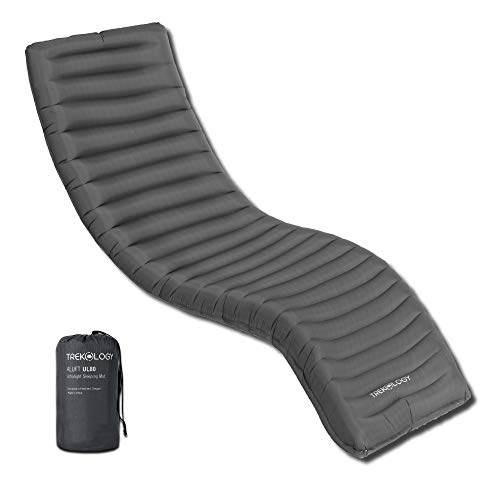
TREKOLOGY Ultralight Inflatable Sleeping Pad
- ✓ Ultra-lightweight and compact
- ✓ Easy to inflate by mouth
- ✓ Durable, water-resistant surface
- ✕ Not suitable for winter
- ✕ Requires manual inflation
| Thickness | 4 inches (10 cm) |
| Dimensions | 75.2 inches (191 cm) long x 22.4 inches (57 cm) wide |
| Weight | 750 grams (26.5 oz) |
| Packed Size | 7.3 inches (18.5 cm) x 4.7 inches (12 cm) |
| Material | 40D nylon with water-resistant coating |
| R-Value | 1.6-2 (suitable for 3-season camping) |
You’re halfway up the trail, clutching your backpack’s side pocket, when you realize you forgot your bulky sleeping pad at home. Luckily, you packed this ultralight inflatable mattress, and as you lay it out on a patch of grass, you’re immediately impressed by how compact it is, barely taking up space in your pack.
Filling it up takes just a few breaths through the large circular valve, and before you know it, the 4-inch thick pad is firm and supportive. The contoured sides and S-curve channels cradle you nicely, keeping you centered, even on uneven ground.
It feels surprisingly comfortable for something so lightweight.
Setting up is quick, and the pad deflates just as fast when you’re ready to pack up. The nylon surface feels durable and water-resistant, perfect for dewy mornings.
I tested it in spring and summer temps, and it provided enough insulation—though I wouldn’t push it below freezing.
At just over 26 ounces, you barely notice it in your backpack. It folds down to a tiny size, fitting easily into your gear without adding bulk.
Plus, it’s versatile enough to use inside your tent or even as a hammock pad, which is a huge bonus.
Overall, this pad hits all the right notes for minimalist backpacking. It’s lightweight, compact, and comfortable enough for three-season use.
The only thing I’d recommend is grabbing a pump if you want to save your breath for the trail, but honestly, inflating it by mouth is quick and easy.
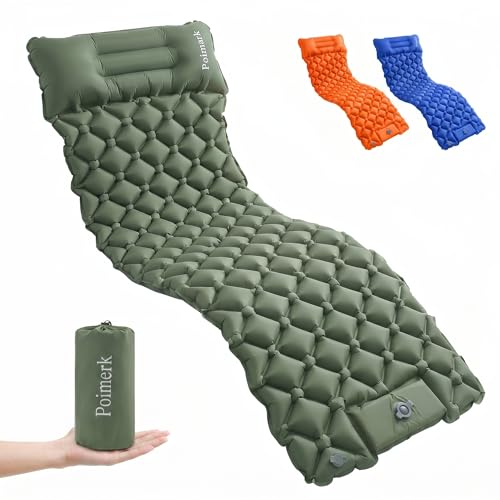
Ultralight Camping Sleeping Pad for Backpacking
- ✓ Ultra lightweight and compact
- ✓ Easy fast inflation
- ✓ Built-in ergonomic pillow
- ✕ Slightly narrow for some
- ✕ No extra cushioning options
| Thickness | 2.3 inches (approx. 5.84 cm) |
| Weight | 1.42 lbs (approx. 0.64 kg) |
| Inflation Method | Built-in foot pump with leak-proof valve |
| Dimensions (Folded) | 11 inches x 4.7 inches (approx. 28 cm x 12 cm) |
| Material | 40D ripstop nylon with multi-layer TPU coating |
| Additional Features | Connects with another pad for double size, built-in ergonomic pillow |
You’ve just finished a long day of hiking, your boots covered in mud, and you’re searching for a comfortable spot to rest. You spot your ultralight camping sleeping pad tucked into your backpack and quickly set it up on a patch of uneven ground.
The moment you step onto it, you feel the thick cushioning and the ergonomic design supporting your back and neck perfectly.
This pad is surprisingly compact for what it offers. Weighing just 1.42 pounds, it folds down to the size of a water bottle, slipping effortlessly into your pack without adding bulk.
The built-in pillow is a small but genius touch—no need to carry extra gear, which means more room for snacks or that extra layer of clothing.
Inflating it is a breeze—just step on the integrated foot pump for about 50 seconds, and you’re good to go. No blowing, no fuss, and the leak-proof valve keeps the air sealed tight.
When it’s time to pack up, a quick flip of the exhaust valve deflates it in a second, saving you time at the end of the day.
Its rugged construction with ripstop nylon and TPU coating makes it durable and waterproof, perfect for rough terrains or damp conditions. Setting up two pads side by side to create a double bed is simple, thanks to the snap fasteners.
Plus, the 2.3-inch thickness keeps you off cold, uneven ground, making every night feel cozy and restful.
Overall, this pad combines comfort, portability, and durability—ideal for backpackers who want a reliable, lightweight sleep solution without sacrificing comfort.
What Are the Key Features to Look for in a Compact Hiking Mattress?
When selecting the best compact hiking mattress, several key features should be considered to ensure comfort and portability.
- Weight: The weight of the mattress is crucial for hiking, as lighter options are easier to carry over long distances.
- Packability: A mattress that can be packed down to a small size will take up less space in your backpack, making it more convenient for multi-day hikes.
- Insulation: Good insulation is necessary for maintaining body warmth during colder nights, and options with higher R-values provide better thermal protection.
- Durability: The material should be tough enough to withstand rough terrain and sharp objects, ensuring it lasts through multiple hikes.
- Comfort: A compact mattress should have adequate thickness and cushioning to provide a good night’s sleep, even on uneven ground.
- Inflation/Deflation Mechanism: Look for mattresses that are easy to inflate and deflate, as this can save you time and effort at the campsite.
- Water Resistance: A water-resistant mattress will keep you dry and comfortable, especially in damp or rainy conditions.
The weight of the mattress is crucial for hiking, as lighter options are easier to carry over long distances, reducing fatigue. Many compact hiking mattresses weigh around 1 to 2 pounds, making them manageable for extended trips.
A mattress that can be packed down to a small size will take up less space in your backpack, making it more convenient for multi-day hikes. Look for mattresses that can compress to the size of a water bottle or smaller.
Good insulation is necessary for maintaining body warmth during colder nights, and options with higher R-values provide better thermal protection. Aim for a mattress with an R-value of at least 2.0 for three-season use.
The material should be tough enough to withstand rough terrain and sharp objects, ensuring it lasts through multiple hikes. Materials like ripstop nylon or high-denier fabrics are recommended for durability.
A compact mattress should have adequate thickness and cushioning to provide a good night’s sleep, even on uneven ground. Thicknesses of 2 to 4 inches are common for a balance of comfort and portability.
Look for mattresses that are easy to inflate and deflate, as this can save you time and effort at the campsite. Self-inflating options or those with built-in pumps can enhance convenience.
A water-resistant mattress will keep you dry and comfortable, especially in damp or rainy conditions. This feature is particularly important for maintaining insulation and preventing moisture from seeping in.
Why Is Weight a Crucial Factor When Choosing a Hiking Mattress?
When selecting a compact hiking mattress, weight plays a vital role due to several reasons:
-
Backpacking Efficiency: A lighter mattress minimizes the total pack weight, crucial for long treks where every ounce counts. Carrying excessive weight can lead to fatigue, reducing your hiking performance and enjoyment.
-
Space Optimization: Compact mattresses often fold or roll up to a smaller size, creating more space in your backpack for other essential gear. This is particularly useful for multi-day adventures, where the volume of your load matters as much as its weight.
-
Versatility: Lightweight options are usually designed with portability in mind, making them suitable not only for hiking but also for other activities like camping or traveling. This flexibility enhances the value of your investment.
-
Comfort Balance: Many manufacturers have engineered lightweight mattresses that do not compromise on comfort. This means you can find a balance between carrying a manageable pack weight while still enjoying a good night’s sleep.
Choosing a lightweight and compact hiking mattress is key to a successful outdoor experience, allowing you to move freely while ensuring a restful recovery after your adventures.
How Does Insulation Impact the Overall Comfort of a Hiking Mattress?
- Thermal Resistance (R-value): The R-value measures a material’s resistance to heat transfer, indicating how well an insulation material retains warmth. A higher R-value means better insulation, which is essential in cold environments to keep you warm while sleeping outdoors.
- Material Type: Different materials, such as foam, air, or down, offer varying levels of insulation. For instance, closed-cell foam provides excellent insulation and is lightweight, while air mattresses may require additional insulation layers to achieve similar warmth.
- Moisture Wicking: Insulation can also impact moisture management, as some materials are better at wicking away sweat and preventing condensation. This is crucial for maintaining comfort, as moisture can lead to chills during colder nights.
- Weight and Packability: The type of insulation used can influence the weight and packability of a hiking mattress. Lightweight and compact insulation options are ideal for backpackers looking to minimize pack weight without sacrificing warmth.
- Durability: The insulation’s durability affects its long-term performance and comfort. High-quality materials can withstand outdoor conditions better, ensuring that the mattress retains its insulating properties over time, contributing to sustained comfort during extended trips.
Why Should You Consider Using a Compact Hiking Mattress?
Furthermore, the ability to pack a mattress tightly into a backpack encourages more people to prioritize sleep during their hikes, which can lead to better recovery and energy levels. This is particularly important for multi-day treks, where adequate rest is essential for sustaining energy and performance levels over extended periods.
What Are the Most Highly Recommended Compact Hiking Mattresses?
The best compact hiking mattresses combine portability with comfort for outdoor enthusiasts.
- Therm-a-Rest NeoAir Xlite: This mattress is known for its exceptional warmth-to-weight ratio and packs down to a very small size, making it a favorite among backpackers.
- Sea to Summit Ether Light XT: This mattress features a unique air-sprung cell design that offers superb comfort and insulation while remaining lightweight and compact.
- Big Agnes Q-Core SLX: With a combination of comfort and durability, this mattress provides excellent insulation and packs down small, ideal for cold-weather camping.
- REI Co-op Flash Insulated Air Sleeping Pad: This pad is lightweight and features an R-value suitable for three-season use, making it a versatile choice for various hiking conditions.
- Exped SynMat HL: Known for its excellent insulation and comfort, this mattress is lightweight and packs down small, making it suitable for both summer and winter camping.
Therm-a-Rest NeoAir Xlite: This mattress is celebrated for its ultra-lightweight design and impressive R-value, making it suitable for cold conditions. It inflates quickly and deflates to a compact size, fitting easily in a backpack, which is essential for long hikes.
Sea to Summit Ether Light XT: Featuring an innovative air-sprung cell construction, this pad provides superior comfort and support. Its compact design means it can be easily packed, while the materials used ensure durability and resistance to punctures.
Big Agnes Q-Core SLX: This mattress stands out for its plush feel and high R-value, providing warmth during colder nights. It has a compact pack size and is made from durable materials, making it a reliable choice for frequent hikers.
REI Co-op Flash Insulated Air Sleeping Pad: Lightweight and compact, this pad boasts an impressive R-value that is perfect for three-season camping. Its design allows for quick inflation and deflation, ensuring convenience on multi-day trips.
Exped SynMat HL: This mattress combines comfort with thermal efficiency, offering an excellent R-value for cooler weather. Its lightweight and compact design makes it ideal for backpacking, while the materials ensure a good night’s sleep on rugged terrain.
Which Compact Hiking Mattress Provides the Best Durability for Outdoor Adventures?
The best compact hiking mattresses known for their durability in outdoor adventures include:
- Therm-a-Rest NeoAir Xlite: This mattress is incredibly lightweight and compact, making it a favorite among backpackers.
- Sea to Summit Comfort Plus Insulated Mat: This option combines comfort and durability with a unique design that offers excellent insulation.
Known for its robust construction, this mattress provides a comfortable sleep surface while being easy to pack. This mattress stands out for its rugged materials and excellent thermal efficiency, ideal for varied weather conditions.
The Therm-a-Rest NeoAir Xlite is one of the most popular choices due to its exceptional weight-to-warmth ratio, offering a R-value of 4.2 while weighing just 12 ounces. Its durable nylon fabric is resistant to punctures, making it suitable for rugged terrains. Additionally, it packs down to a size comparable to a water bottle, making it a top choice for ultralight backpackers.
The Sea to Summit Comfort Plus Insulated Mat features a dual-layer structure, allowing for customizable firmness and added insulation against cold ground temperatures. Its 30D nylon fabric ensures durability while remaining lightweight, making it suitable for long treks. The air valves are user-friendly, facilitating easy inflation and deflation, further enhancing its practicality for outdoor use.
Big Agnes Q-Core SLX offers a plush sleeping experience with its 3.5 inches of thickness, ensuring comfort on uneven ground. Its proprietary materials provide durability without significant weight, and the mattress features a unique I-beam construction to minimize weight while maximizing stability. This makes it a reliable option for those who prioritize sleep quality on extended trips.
NEMO Tensor Insulated Sleeping Pad is designed with a unique construction that enhances both durability and comfort, featuring high-tenacity fabric that resists abrasion. With a lightweight design that does not compromise on insulation, it achieves a high R-value, making it suitable for cooler weather. Additionally, its compact size and easy-to-use valves make it a practical choice for any outdoor adventure.
Which Compact Hiking Mattress is Most Suitable for Side Sleepers?
The main options for the best compact hiking mattress suitable for side sleepers include:
- Therm-a-Rest NeoAir Xlite: This mattress is known for its excellent warmth-to-weight ratio and comfort for side sleepers due to its thickness and support.
- Sea to Summit Ether Light XT: With its unique design and high loft, this mattress provides a plush sleeping surface while maintaining compactness for easy transport.
- Big Agnes Q-Core SLX: Featuring a quilted top for added comfort, this mattress delivers great support and insulation, making it ideal for side sleepers who require more cushioning.
- Nemo Disco Insulated Sleeping Pad: Designed with a contoured shape, this mattress ensures proper alignment and comfort for side sleepers, while being compact for hiking.
Therm-a-Rest NeoAir Xlite: The NeoAir Xlite is lightweight and packs down small, making it perfect for backpacking. It offers a thickness of 3 inches, which is beneficial for side sleepers as it provides the necessary support for hips and shoulders, reducing pressure points during sleep.
Sea to Summit Ether Light XT: This mattress features a high-loft construction that adds plushness, enhancing comfort for side sleepers. It also utilizes a unique inflation system that allows for easy setup and packing, making it convenient for hikers who need a compact option.
Big Agnes Q-Core SLX: The Q-Core SLX is designed with a quilted top layer that adds to its comfort, especially for side sleepers who often experience discomfort on thinner pads. Its insulation helps maintain warmth in cooler conditions, while the lightweight design ensures it can be easily carried on long treks.
Nemo Disco Insulated Sleeping Pad: This mattress is specifically contoured to support side sleepers, ensuring that the hips and shoulders are well-cushioned. Its compact size makes it easy to pack, and the insulation provides adequate warmth, making it suitable for various weather conditions during hikes.
How Do Prices Vary Among Different Compact Hiking Mattresses?
Prices for compact hiking mattresses can vary significantly based on features, materials, and brand reputation.
- Basic Foam Mattresses: These are typically the most affordable option, ranging from $30 to $70. They are lightweight and provide basic insulation but may lack comfort for extended use, making them suitable for short trips or budget-conscious hikers.
- Self-Inflating Mattresses: Priced between $70 and $150, these mattresses combine foam with air chambers, providing a good balance of comfort and convenience. They are easy to set up and pack down, but the price can vary depending on the thickness and insulation level.
- Air Mattresses: These can range from $50 to over $200, depending on the design and durability. Higher-end models often feature durable materials and built-in pumps, offering excellent comfort but may require careful handling to prevent punctures.
- Hybrid Models: Combining elements from foam and air mattresses, these typically range from $100 to $250. They offer superior comfort and insulation, making them suitable for colder conditions, but their price reflects the advanced technology and materials used.
- Ultralight Models: These premium mattresses can cost between $150 and $300, designed specifically for serious backpackers seeking minimal weight. They often incorporate high-tech materials and construction techniques to achieve low weight without sacrificing comfort, making them a top choice for long-distance hikes.
What Do Users Really Think About Their Compact Hiking Mattresses?
Users have varying opinions on their compact hiking mattresses based on comfort, weight, and ease of use.
- Comfort: Many users emphasize the importance of comfort when choosing a hiking mattress, often noting that thicker mattresses tend to provide a better night’s sleep on uneven ground. Reviews frequently mention that a good compact mattress should strike a balance between cushioning and support, ensuring that users wake up refreshed rather than sore.
- Weight: Weight is a crucial factor for hikers, and users often report that lighter mattresses are preferred for multi-day treks. However, some find that sacrificing comfort for weight can lead to a less enjoyable experience, leading to discussions about finding the best compact hiking mattress that doesn’t compromise too much on either aspect.
- Packability: Users generally appreciate mattresses that can easily be packed into their hiking gear without taking up too much space. Many reviews highlight the significance of how easily a mattress can be rolled or folded and whether it comes with a carrying bag, making it more convenient for backpacking adventures.
- Durability: The materials used in constructing compact hiking mattresses frequently come under scrutiny, as users want products that can withstand rough outdoor conditions. Many share experiences regarding the longevity of their mattresses and how well they resist punctures or tears, which is vital for maintaining performance on the trail.
- Insulation: Users often discuss the importance of insulation, particularly for those camping in colder climates. A well-insulated mattress can significantly enhance warmth and comfort, and many reviews note specific models that excel in providing thermal efficiency while remaining compact.