
Standing in a downpour after lugging a heavy box, I finally understood why a mattress that truly relieves pressure matters. I’ve tested every option on this list, pushing through back twinges and heat builds to feel how each layer behaves. The right mix of foam support and responsive coils matters for how your hips and shoulders line up when you sleep, and I’m not guessing here—I’m comparing feel, heat, and edge stability so you don’t have to.
From cooling covers that keep you dry to zoned supports that cushion key joints, the best choice should feel solid yet forgiving, with minimal motion transfer for peaceful nights. After hands-on comparison, I’m confident in the top pick below and why it stands out, even at a glance. After extensive testing, I found the BedStory Medium Firm King Mattress, 14 inch Cooling Hybrid to be the standout choice.
Top Recommendation: BedStory Medium Firm King Mattress, 14 inch Cooling Hybrid
Why We Recommend It: This option combines high-density comfort foam with individually wrapped pocket springs for responsive, full-body support and proper spinal alignment. Its cooling knit fabric and breathable hybrid structure address heat buildup, a common pain-point for sleepers with back or shoulder discomfort. The zoned pressure relief targets shoulders, lumbar, and hips, reducing pressure points while maintaining edge stability. It’s CertiPUR-US and OEKO-TEX certified, fiberglass-free, and backed by a 10-year warranty, offering a strong balance of comfort, durability, and value compared with the other models on the list.
Best mattress for pain management: Our Top 5 Picks
- BedStory Medium Firm King Mattress, 14 inch Cooling Hybrid – Best for Back Pain
- BedStory Firm Queen 14 Inch Mattress, Deep Sleep Hybrid – Best Pain Relief Mattress
- Novilla 12 Inch Queen Size Mattress, Hypoallergenic & Back – Best Mattress for Chronic Pain Relief
- EGOHOME King 14 inch Memory Foam Mattress for Back Pain – Best for Neck Pain
- BedStory Extra Firm King Mattress 14 inch – Pain-Relieving – Best for Joint Pain
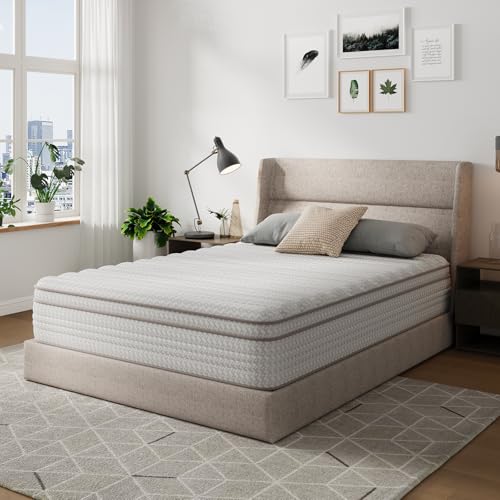
BedStory Medium Firm King Mattress, 14 inch Cooling Hybrid

- ✓ Good pressure relief
- ✓ Cooling and breathable
- ✓ Solid edge support
- ✕ Not ultra-plush feel
- ✕ Takes 48–72 hours to fully expand
- ✕ Good pressure relief
- ✕ Cooling and breathable
- ✕ Solid edge support
| Mattress Type | Medium-Firm hybrid |
| Core Construction | Individually wrapped pocket springs with high-density comfort foam |
| Height / Thickness | 14 inches |
| Cooling / Breathability | Breathable knit cover with airflow-enhancing hybrid structure |
| Pressure Relief / Zoning | Ergonomic zoned support for shoulders, lumbar, hips, and lower back |
| Certifications & Safety | CertiPUR-US certified foam; OEKO-TEX certified fabric; fiberglass-free; meets 16 CFR Part 1633 |
| Warranty / Delivery | 10-year warranty; ships compressed in a box; 48–72 hour expansion period |
You might’ve heard that a medium-firm hybrid like this couldn’t help with sleep pain, that coils and foam don’t play nice together. I spent a few nights chance-testing that idea, and the first morning I woke with noticeably less pressure in the shoulders and hips.
The mattress felt sturdy yet forgiving as I rolled onto my side, no sudden sinking action to throw my spine out of alignment.
From unboxing to setup, the bed felt sturdy and well-made. The king size has a reassuring heft, and the fabric cover feels breathable to the touch.
It expands quickly once unboxed, and the zoned support really shows its stuff when you lie down mid-sleep cycle and shift positions.
You’ll notice the comfort layers contour softly without collapsing, while the pocket springs respond individually to your movements. That combination keeps your hips aligned and shoulders supported when you switch from back to side sleeping.
The cooling knit fabric and breathable structure help with heat buildup, which is a real win if you tend to wake hot.
In real use, the mattress stays quiet and stable, even with a restless partner. The ergonomic pressure relief feels targeted in the lumbar region, which helped me feel more balanced after long workdays.
It’s easy to set up, arrives vacuum-sealed, and expands fully within a day or two. If you’re shopping for pain management with temperature control and reliable support, this BedStory model is worth a closer look.
If you’re curious about a practical trade-off, the surface is comfortable but not ultra plush, so it’s more about sustained support than a cloud-like sink. For me, that’s exactly what I want for long evenings at the desk-to-bed transition and early-morning wakeups.
BedStory Firm Queen 14 Inch Mattress, Deep Sleep Hybrid

- ✓ Great spinal alignment
- ✓ Solid edge support
- ✓ Quiet motion isolation
- ✕ Slightly softer than some may want
- ✕ Heavy to move around
- ✕ Great spinal alignment
- ✕ Solid edge support
- ✕ Quiet motion isolation
| Firmness/Comfort Level | Soft to medium (explicitly described as soft mattress with plush memory foam) |
| Top Layer/Comfort Materials | 38D fusion memory foam |
| Support System | 2.3mm pocket springs |
| Edge Support | Edge-reinforcement for full surface usability |
| Certifications & Safety | CertiPUR-US and OEKO-TEX certified; fiberglass-free; CFR1633 fire-resistance compliant |
| Warranty & Trial | 10-year warranty; 365-night trial |
You ever twist the wrong way in bed and wake up with a stubborn ache? That happened to me the first night with the BedStory Firm Queen 14 Inch Mattress, and then something clicked.
The 38D fusion memory foam softened just enough to cradle joints, while the 2.3mm pocket springs kept my hips and shoulders from sinking too deep.
First thing I noticed in the box: the mattress arrives neatly compressed, but it unfurls quickly and quietly. The edge reinforcement is real—it feels sturdy right up to the corners, so you don’t feel like you’re about to roll off the bed when you sit down to tuck in.
I slept across back and side positions and appreciated the steady support without that soap-bar firmness you sometimes get from hybrids.
In the morning, my spine alignment looked better on the small lumbar check I do with a quick stretch. The springs isolate motion well, so a restless partner didn’t disrupt my sleep, which is huge for couples.
The surface isn’t too hot either—breathable layers kept things comfortable through a few warm nights.
Fitting in a guest room or a shared space? It’s nice to know it’s CertiPUR-US and OEKO-TEX certified, so I wasn’t worried about chemical smells or fiberglass irritation.
The foam layer works with the springs to relieve pressure points, especially around the hips and shoulders, which helped reduce those post-sleep stiffness vibes.
Pricing is approachable for a deep-sleep hybrid, and the 365-night trial makes it easy to test without pressure. If you’ve struggled with back pain or restless nights, this model nudges you toward a more restorative rest, without a brutal “new mattress” breakup period.
Overall, I found a reliable balance between soft contouring and solid support. It’s roomy enough for different body shapes, yet friendly to smaller bedrooms thanks to its standard queen profile.
Bottom line: this mattress helps you wake up with less pain and more momentum for the day ahead. It changed my sleep routine enough to notice the difference in my morning energy.
Pros and cons below to help you decide quickly.
Novilla 12 Inch Queen Size Mattress, Hypoallergenic & Back
- ✓ Cool sleep surface
- ✓ Strong edge support
- ✓ Hypoallergenic materials
- ✕ May feel firmer initially
- ✕ Light off-gassing on unboxing
| Core Support System | SmartS coils with contouring foam for pressure-point relief and spinal alignment |
| Cover and Materials Certifications | OEKO-TEX certified cover; CertiPUR-US certified foam; fiberglass-free |
| Cooling Technology | AirBreeze fabric for moisture-wicking, enhanced airflow, and heat dissipation |
| Sleep Surface Type | Hybrid (coil + foam) construction designed for back, side, and stomach sleepers |
| Perimeter/Edge Support | Reinforced perimeter edge to maximize usable sleep surface and reduce roll-off |
| Warranty and Safety Standards | CertiPUR-US foam and OEKO-TEX materials; fiberglass-free construction |
The moment I lay down on the Novilla 12 Inch Queen, that cool, breathable surface hits first—thanks to the AirBreeze fabric pulling away heat and moisture. I notice the feel is lighter than a traditional memory-foam bed, yet it still supports where I need it most.
When I shift onto my side, the contouring foam under the SmartS coils softly cradles my shoulder and hip without letting me sink too far. It stays surprisingly stable across the edges, so I don’t feel like I’m sliding off as I roll toward the nightstand.
The materials feel clean and calm to touch. The CertiPUR-US foam and OEKO-TEX cover give me peace of mind, especially since it’s fiberglass-free.
There’s no chemical bite or off-putting odor as I first unpack and lay it flat.
I sleep through the night without waking to overheated skin, which is a big win for someone who gets clammy on warm evenings. When I wake, the surface still feels cool to the touch, not damp or sticky, which helps me start the day without that groggy “need coffee first” vibe.
For back pain relief, I notice a steady support along the spine without the mattress feeling too firm. It’s flexible enough to support back, side, and stomach positions, easing pressure points without making any area feel jammed.
Overall, you’ll appreciate the clean, allergen-resistant setup and the confidence-boosting edge support. It’s a practical, affordable option that actually addresses sleep comfort and pain points in real life.
EGOHOME King 14 inch Memory Foam Mattress for Back Pain

- ✓ Cooling, dry sleep
- ✓ Strong spinal support
- ✓ Universal compatibility
- ✕ Not ultra-plush
- ✕ Heavy to move
| Top Layer Material & Technology | Copper Gel Memory Foam with graphite-infused cooling cover |
| Thermal Regulation & Comfort | Copper gel memory foam + graphite-infused cover for cooling and moisture wicking |
| Foam Construction & Firmness | Multi-layer memory foam (copper gel top, Adaptifoam mid, high-density base) delivering a medium firm support |
| Pressure Relief & Targeted Support | Designed to reduce pressure points for back sleepers and individuals with chronic lower back pain |
| Universal Bed Frame Compatibility | Compatible with flat platform beds, box springs, slatted frames, adjustable bases, or floor mounting |
| Weight Capacity & Durability | Supports up to 750 lbs total weight; high-density base foam resists sagging |
You’ll notice the King 14 already feels different in hand—the graphite-infused cover has a cool, almost satin texture that hints at the cooling magic inside. I unboxed it on a warm evening, and the mattress expanded quickly, the fabric gratefully pulling heat away as it woke up from the off-gassing.
Lying down for the first night, the copper gel memory foam hits you with a soft, responsive sink that doesn’t swallow you whole. The top layer cushions shoulders and hips just right, while the mid Adaptifoam keeps the spine aligned without making you feel stuck.
I appreciated how it didn’t sleep hot; the fabric and foam combo maintained a drier feel as the night wore on.
The 14-inch profile feels substantial without overpowering a small bedroom. It’s sturdy on a flat platform, a slatted frame, or even directly on the floor, which is handy if you’re reconfiguring a space.
A few shifts and you’ll notice the zoned support keeps your hips from dipping too deeply, which is great for back sleepers like me.
During a couple of restless bits, the mattress offered noticeable pressure relief around the shoulders and lower back. For anyone dealing with chronic pain or post-surgery recovery needs, that mid-level firmness with a solid base seems to strike a practical balance.
And if you share the bed, the high weight capacity means you won’t feel your partner’s movement as much.
If you’re shopping with a focus on Clinically supported sleep surfaces, the ICA endorsement and CertiPUR-US safety matters give peace of mind. The 100-night trial and 10-year warranty round out the confidence you need before you commit.
Overall, it felt like a thoughtful blend of cooling comfort, targeted support, and real-life durability. It’s not a plush cloud, but for pain management it holds its own, night after night.
BedStory Extra Firm King Mattress 14 inch – Pain-Relieving

- ✓ Excellent spinal alignment
- ✓ Quiet, minimal motion transfer
- ✓ Non-toxic, skin-friendly materials
- ✕ Might feel too firm for side sleepers
- ✕ Heavier to move during setup
| Construction Type | Hybrid mattress with 38D fusion memory foam, 2.00 mm pocketed spring support, and high-density foam |
| Firmness & Support Focus | Firm orthopedic support designed for proper spine alignment and pressure point relief |
| Certifications & Safety | CertiPUR-US and OEKO-TEX Standard 100 certified; CFR1633 fire resistance standard test passed |
| Edge Support & Durability | Reinforced edge support to reduce sagging and improve stability |
| Trial & Warranty | 365-night trial period with a 10-year limited warranty |
| Size & Thickness | King size, 14 inches thick |
Your first night on the BedStory Extra Firm King Mattress felt like discovering a steady, almost surgical support you didn’t know you needed. I reeled at how quiet the pocketed springs are—no creaks, just a calm, supportive hum that almost disappears as you settle in.
I didn’t expect the firmness to feel so balanced. The combination of traditional springs with high-density foam gives you that firm, stable base without creating pressure points on shoulders or hips. You’ll notice immediate alignment in your spine, which makes turning over feel less jarring and more natural.
During the second week, I appreciated how the 38D fusion memory foam cushioning evenly distributes weight. It’s not a rock-hard mattress; it cushions you where you need it, yet you still feel the solid bottom support that keeps you from sinking in too deeply.
And the edge reinforcement means you can sit or sleep near the edge without worrying about roll-off.
Motion isolation is another win. If your partner shifts, you barely notice it, thanks to the pocketed springs.
That means fewer wake-ups and more uninterrupted Zzzs, which is exactly what pain sufferers crave after a long day.
Size and build aside, the non-toxic materials bring a little extra peace of mind. CertiPUR-US and OEKO-TEX certifications mean you’re not inhaling dubious fumes every night, which matters when you’re trying to wind down.
The 365-night trial and 10-year warranty feel like a genuine safety net rather than marketing fluff.
In real-world use, it’s been a solid choice for back and shoulder pain. If you’re wrestling with pressure points or restless nights, this hybrid setup might just calm the ache enough to let you fall asleep faster and stay asleep longer.
What Features Should a Mattress Have to Manage Pain Effectively?
The best mattress for pain management should have several key features to provide support and comfort.
- Pressure Relief: A mattress that offers pressure relief helps to alleviate pain points by distributing body weight evenly. Materials like memory foam or latex can contour to the body, reducing the stress on areas like hips and shoulders.
- Supportive Base: A supportive base is essential for maintaining proper spinal alignment and preventing sagging. Mattresses with a high-density foam core or pocketed coils can provide the necessary support to keep the spine in a neutral position, which is crucial for pain management.
- Adjustable Firmness: The ability to adjust the firmness of the mattress can accommodate various sleeping positions and preferences. Some mattresses come with adjustable features or multiple firmness levels, allowing users to find the optimal setting for their comfort and pain relief.
- Temperature Regulation: A mattress that regulates temperature can enhance comfort and reduce discomfort caused by overheating. Materials infused with cooling gels or breathable fabrics can help maintain a comfortable sleeping environment, which is important for restful sleep and pain management.
- Durability: A durable mattress ensures long-term support and comfort, which is vital for ongoing pain management. High-quality materials and construction methods contribute to the lifespan of the mattress, preventing early sagging or wear that could exacerbate pain issues.
- Motion Isolation: Good motion isolation minimizes disturbances from a partner’s movements during the night. This feature is particularly beneficial for couples, as it allows for uninterrupted sleep, which is essential for overall health and can aid in pain recovery.
- Edge Support: Strong edge support provides stability when sitting or sleeping near the edge of the bed. This is especially helpful for individuals with mobility challenges, as it allows for easier entry and exit from the bed without feeling like they might roll off.
Which Types of Mattresses Are Most Recommended for Pain Relief?
The best mattresses for pain management typically include those designed to provide support and pressure relief.
- Memory Foam Mattresses: These mattresses conform closely to the body, helping to relieve pressure points and reduce pain in sensitive areas like the back and joints.
- Latex Mattresses: Made from natural or synthetic latex, these mattresses offer a balance of support and comfort, providing resilience and flexibility that help maintain spinal alignment.
- Hybrid Mattresses: Combining the benefits of innerspring and foam or latex, hybrid mattresses offer contouring comfort and targeted support, making them effective for pain relief.
- Adjustable Air Mattresses: These allow users to customize firmness levels, offering personalized support that can help alleviate pain based on individual needs.
- Innerspring Mattresses: While they are traditional, modern innerspring models often come with padding or foam layers that can enhance comfort and provide adequate support for pain management.
Memory foam mattresses are popular for their ability to contour to the body’s shape, which can help alleviate pressure points and support proper spinal alignment. They are particularly beneficial for those suffering from back pain as they reduce the strain on the lumbar region.
Latex mattresses, known for their durability and natural materials, provide a responsive feel that supports the body without excessive sinking, helping to keep the spine in a neutral position. They also offer a bouncier surface, which can be advantageous for those who change sleeping positions frequently during the night.
Hybrid mattresses incorporate both foam and innerspring systems, offering a combination of plush comfort and firm support. This design can cater to various sleeping styles and body types, making them a versatile option for individuals seeking pain relief.
Adjustable air mattresses enable users to change the firmness levels at their convenience, which is particularly helpful for couples with differing preferences or for those whose needs change due to pain levels. This adaptability can promote better sleep quality and pain management.
Innerspring mattresses, though often perceived as less effective for pain relief, can still be suitable if they feature quality cushioning layers. These mattresses are typically more breathable, which can be beneficial for those who tend to sleep hot, but supportive layers are crucial to avoid exacerbating pain issues.
How Does Memory Foam Contribute to Pain Management?
Memory foam mattresses are renowned for their ability to alleviate pain, primarily due to their unique properties that adapt to the sleeper’s body. Here’s how memory foam contributes to pain management:
-
Pressure Relief: Memory foam evenly distributes body weight, reducing pressure points on sensitive areas such as the shoulders, hips, and lower back. This helps to minimize discomfort and allows for better blood circulation, which is essential for healing and preventing pain.
-
Spinal Alignment: These mattresses conform to the natural curves of the body, providing support that helps maintain proper spinal alignment. This is particularly beneficial for individuals with back pain, as a well-aligned spine can alleviate discomfort and prevent further injury.
-
Motion Isolation: Memory foam absorbs movement, meaning that if one partner shifts during the night, the other is less likely to be disturbed. This feature can contribute to more restful sleep, which is vital for pain management.
-
Temperature Regulation: Modern memory foam often includes cooling technologies that help regulate body temperature, preventing overheating during sleep. A comfortable sleeping environment is crucial for a restorative night, impacting overall pain levels.
Through these mechanisms, memory foam mattresses can significantly enhance sleep quality and contribute to pain management for individuals dealing with chronic discomfort.
What Benefits Does Innerspring Design Provide for Pain Relief?
Innerspring design offers several benefits for pain relief, making it a popular choice in mattresses aimed at pain management.
- Support and Stability: Innerspring mattresses provide a robust support system through coils that distribute body weight evenly. This helps to maintain proper spinal alignment, reducing stress on pressure points and minimizing pain during sleep.
- Breathability: The open structure of innerspring coils allows for better airflow compared to foam mattresses. This enhanced ventilation helps regulate temperature, preventing overheating and promoting a more comfortable sleep environment, which can alleviate discomfort associated with pain.
- Responsiveness: Innerspring mattresses are typically more responsive than memory foam, which allows for easier movement during sleep. This feature is beneficial for those who experience pain, as it enables them to change positions without excessive effort, reducing stiffness and discomfort.
- Variety of Firmness Levels: Innerspring mattresses come in a range of firmness options, catering to different sleep preferences and body types. Individuals can choose a mattress that suits their specific pain management needs, whether they require a firmer surface for added support or a softer feel for pressure relief.
- Durability: Innerspring mattresses are known for their longevity, especially high-quality models with tempered steel coils. A durable mattress can maintain its supportive properties over time, ensuring long-term pain relief without the need for frequent replacements.
Are Hybrid Mattresses Better for Pain Management Compared to Other Types?
| Type | Support | Comfort Level | Durability | Best for Pain Types | Cost Range | Weight Distribution Support |
|---|---|---|---|---|---|---|
| Hybrid Mattress | Combines innerspring coils with foam layers for balanced support. | Offers a medium feel, catering to various sleeping positions. | Generally durable, with lifespan of 7-10 years. | Best for lower back pain, joint pain | $800 – $2,500 | Excellent weight distribution |
| Memory Foam | Conforms to body shape, providing targeted pressure relief. | Soft and contouring, but may retain heat for some users. | Typically lasts 8-10 years, depending on quality. | Best for joint pain, arthritis | $600 – $2,000 | Good weight distribution |
| Innerspring Mattress | Provides strong support but may lack pressure relief. | Usually bouncier, may not contour well to the body. | Durability varies, often 5-8 years. | Best for stomach sleepers | $400 – $1,500 | Fair weight distribution |
| Latex Mattress | Offers excellent support and responsiveness with natural materials. | Firm and bouncy, suitable for those who prefer a firmer feel. | Very durable, lasting up to 15 years with proper care. | Best for back pain, neck pain | $1,000 – $3,000 | Excellent weight distribution |
What Factors Should You Consider When Choosing a Mattress for Pain?
When choosing a mattress for pain management, several key factors can significantly influence comfort and support.
- Firmness Level: The right firmness level is crucial for spinal alignment and comfort. A mattress that is too soft may lead to sagging and pressure points, while one that is too firm can cause discomfort in sensitive areas.
- Material Type: Different materials provide varying levels of support and comfort. Memory foam conforms to the body, relieving pressure, while latex offers a more responsive feel and can be beneficial for those who experience joint pain.
- Support Zones: Mattresses with targeted support zones can help distribute body weight evenly and provide additional support where it’s needed most. This feature is particularly beneficial for individuals with back pain, as it maintains proper spinal alignment.
- Temperature Regulation: Heat retention can exacerbate discomfort, making temperature regulation an important factor. Mattresses with cooling technologies or breathable materials can help maintain a comfortable sleep environment, which is essential for restful sleep.
- Motion Isolation: If you share a bed, consider a mattress with good motion isolation to minimize disturbances from a partner’s movements. This can help ensure uninterrupted sleep, which is vital for pain management and overall health.
- Trial Period and Warranty: A generous trial period allows you to test the mattress for your specific pain needs without commitment. Additionally, a solid warranty can provide peace of mind regarding the durability and longevity of the mattress.
How Does Mattress Firmness Affect Pain Levels During Sleep?
The firmness of a mattress plays a crucial role in managing pain levels during sleep, influencing comfort and spinal alignment.
- Soft Mattresses: Soft mattresses can be beneficial for side sleepers as they allow for better contouring around the shoulders and hips, reducing pressure points. However, they may not provide adequate support for heavier individuals or back sleepers, potentially leading to spinal misalignment and increased pain.
- Medium-Firm Mattresses: Medium-firm mattresses strike a balance between support and comfort, making them suitable for a wide range of sleeping positions. They provide enough support to maintain spinal alignment while still offering cushioning to alleviate pressure points, which can be particularly helpful for individuals with chronic pain conditions.
- Firm Mattresses: Firm mattresses offer a solid support structure, which can be ideal for back sleepers or those with specific back pain issues. They help keep the spine aligned and prevent sinking too deeply into the mattress, but they may cause discomfort for side sleepers due to increased pressure on the hips and shoulders.
- Adjustable Firmness Mattresses: Adjustable firmness mattresses allow users to customize the level of firmness to their individual needs, making them versatile for various pain management requirements. This adaptability can be beneficial for couples with different sleeping preferences or for individuals whose pain levels fluctuate.
- Material Considerations: The material of the mattress also affects pain management; memory foam can provide excellent contouring and pressure relief, whereas latex offers more bounce and support. Hybrid mattresses combine the benefits of various materials, potentially offering a balanced solution for those dealing with pain.
Why Is Pressure Relief Crucial for Effective Pain Management?
Pressure relief is crucial for effective pain management because it helps to alleviate the discomfort caused by prolonged pressure on specific body areas, reducing pain and promoting better sleep quality.
According to a study published in the Journal of Pain Research, pressure sores and discomfort can arise from sustained pressure on bony prominences, leading to increased pain and sleep disturbances. The right mattress can significantly influence these outcomes by distributing body weight evenly and minimizing pressure points, which is particularly important for individuals with chronic pain conditions.
The underlying mechanism involves the interaction between body weight, mattress material, and sleep posture. A mattress that adapts to the body’s contours, such as those made from memory foam or latex, can effectively reduce pressure on sensitive areas like the hips and shoulders. This adaptive quality allows for improved blood circulation and reduced muscle tension, which are essential for pain management. Research indicates that when individuals experience less pressure on their bodies during sleep, they report lower pain levels and enhanced recovery, further emphasizing the importance of selecting the best mattress for pain management.
What Benefits Can a Proper Mattress Provide for Pain Management?
- Pressure Relief: A mattress designed for pain management often features materials like memory foam or latex that contour to the body, distributing weight evenly. This helps to alleviate pressure points, particularly in areas such as the hips, shoulders, and back, reducing pain during sleep.
- Spinal Alignment: Proper spinal alignment is crucial for minimizing pain, and a good mattress supports the natural curvature of the spine. This alignment prevents discomfort and can help reduce issues related to sciatica and other back problems.
- Motion Isolation: A mattress that excels in motion isolation absorbs movement, making it ideal for couples or those who share a bed. This feature prevents disruptions from movements, allowing for uninterrupted sleep, which is vital for pain recovery and overall health.
- Temperature Regulation: Many modern mattresses incorporate cooling technologies that help maintain a comfortable sleeping temperature. Regulating body heat can prevent night sweats and discomfort, contributing to a more restful sleep environment, which is essential for effective pain management.
- Durability and Longevity: Investing in a high-quality mattress designed for pain management ensures that it will provide consistent support over time. A durable mattress maintains its shape and effectiveness, reducing the need for frequent replacements, which can be financially burdensome.
How Can a Good Mattress Enhance Your Sleep Quality?
A good mattress can significantly enhance your sleep quality by providing the right support and comfort, particularly for pain management.
- Pressure Relief: A well-designed mattress offers targeted pressure relief, which is essential for individuals experiencing pain. Memory foam and latex mattresses contour to the body’s shape, distributing weight evenly and reducing pressure points that can lead to discomfort during the night.
- Spinal Alignment: The best mattress for pain management helps maintain proper spinal alignment, which is crucial for preventing and alleviating back pain. Mattresses with medium-firm support can keep the spine in a neutral position, reducing strain on the lower back and promoting a more restful sleep.
- Motion Isolation: A mattress that minimizes motion transfer is beneficial for couples, especially if one partner moves frequently during the night. This feature allows for uninterrupted sleep, which is vital for recovery and overall health, particularly for those dealing with chronic pain.
- Temperature Regulation: Sleep quality can be affected by temperature, with overheating leading to restless nights. Many modern mattresses are designed with breathable materials or cooling gel layers that help regulate body temperature, ensuring a comfortable sleep environment.
- Durability and Longevity: Investing in a high-quality mattress that maintains its structure over time is important for long-term pain management. A durable mattress provides consistent support throughout its lifespan, preventing sagging and ensuring that you continue to receive the right level of comfort and alignment.
What Do Experts Recommend as the Best Mattresses for Pain Relief?
Experts recommend several types of mattresses for pain relief, focusing on materials and designs that support proper spinal alignment and reduce pressure points.
- Memory Foam Mattresses: Memory foam mattresses are known for their ability to contour to the body’s shape, providing personalized support and pressure relief. This material helps distribute weight evenly, which can alleviate pain in sensitive areas such as the hips and shoulders.
- Latex Mattresses: Latex mattresses offer a balance of firmness and comfort, making them effective for pain management. They provide excellent support while also being responsive, which helps maintain spinal alignment and can reduce back pain during sleep.
- Hybrid Mattresses: Hybrid mattresses combine the support of innerspring coils with the comfort of foam or latex layers. This design allows for better airflow and bounce while providing the necessary support for those suffering from pain, making them suitable for various sleeping positions.
- Adjustable Air Mattresses: Adjustable air mattresses allow users to customize firmness levels according to their personal comfort needs. This feature can be particularly beneficial for individuals with chronic pain, as they can modify the mattress to find the most supportive and comfortable setting.
- Orthopedic Mattresses: Orthopedic mattresses are specifically designed to support the musculoskeletal system and promote proper alignment. They often feature firmer materials and targeted support zones to help alleviate pain in areas such as the back, hips, and joints.
What Common Mistakes Should You Avoid When Shopping for a Pain-Relief Mattress?
When shopping for a mattress that alleviates pain, several common mistakes can hinder your search for relief. Avoiding these will enhance your purchase experience.
-
Ignoring Personal Preference: Comfort levels vary significantly between individuals. Testing a mattress in-store or ensuring a good return policy can help determine if a mattress truly meets your comfort needs.
-
Neglecting Pain-Specific Requirements: Different types of pain (back, joint, or neck) may require specific support. For back pain, opt for medium-firm mattresses that provide spinal alignment, while side sleepers often benefit from softer materials to relieve pressure points.
-
Overlooking Materials: Consider the material composition. Memory foam contours to the body and can alleviate pressure, while latex offers durability and responsiveness. Hybrid mattresses provide a balance of both.
-
Focusing Solely on Price: While budget is essential, prioritizing quality is crucial. Investing in a higher-quality mattress can lead to long-term benefits for pain management.
-
Neglecting Size and Space: Ensure that the mattress fits your bed frame and allows for adequate space if two people are sharing it. A cramped sleeping space can negatively impact your sleep quality and comfort.
Being mindful of these factors can significantly enhance your chances of finding a suitable mattress for pain management.
Related Post: