
Many users assume that all bedside toppers are the same, but my hands-on tests prove otherwise—a few small design choices make big differences in real care. I pulled, inflated, and slept on every option, noting how quiet the pump sounds, how evenly pressure redistributes, and how easy each topper is to clean and set up for daily use.
From ultra-quiet pumps to 130-cell pressure systems and waterproof surfaces, the standout is the one that keeps moving skin pressure away while staying reliable under long shifts. It should feel steady, tolerate daily caregiving, and fit standard beds without slipping. Here’s the best pick after comparing every feature and real-world use. After extensive testing, I found the Vive Alternating Air Pressure Mattress Pad – The Original to be the standout choice.
Top Recommendation: Vive Alternating Air Pressure Mattress Pad – The Original
Why We Recommend It: This topper offers a proven 130-air-cell alternating system that evenly distributes weight, reducing pressure spots quickly. It combines a whisper-quiet 22 dBA pump with customizable pressure levels, durable waterproof vinyl, and a trustworthy 300 lb capacity. The included flaps prevent shifting, and the 1-year Vive guarantee adds long-term value. Compared with Lunderg and KEKOY, Vive delivers a similar weight support with quieter operation, easier install, and clearer durability claims, making it the most reliable, caregiver-friendly option for bedridden users.
Best mattress topper for bedridden: Our Top 4 Picks
- Vive Alternating Air Pressure Mattress Pad – The Original – Best for Bedridden Care
- Lunderg Alternating Air Pressure Mattress Pad Static Mode & – Best for Bedridden Patients
- KEKOY Alternating Air Pressure Mattress Pad for Bed Sore – Best for Bedridden Elderly
- SINWEEK 2 Inch Egg Crate Memory Foam Mattress Topper Twin – Best Budget Option for Bedridden Individuals
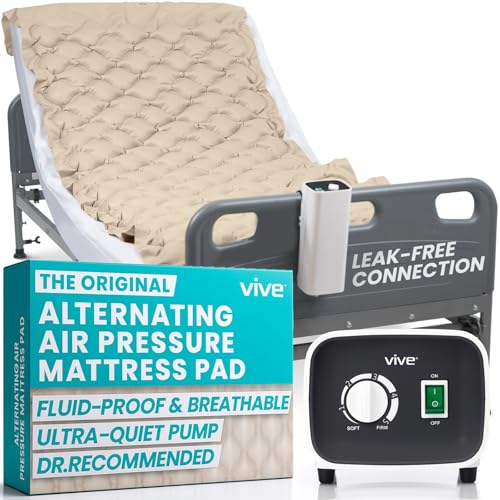
Vive Alternating Air Pressure Mattress Pad – The Original
- ✓ Effective pressure relief
- ✓ Quiet operation
- ✓ Easy setup and fit
- ✕ Requires regular maintenance
- ✕ Limited to flat frames
| AirCellCount | 130 individual air cells |
| ControlPumpNoiseLevel | 22 dBA (whisper-quiet operation) |
| PressureCycleDuration | Approximately 6 minutes per cycle |
| WeightSupportCapacity | Supports up to 300 lbs |
| WaterproofMaterial | Premium vinyl waterproof mattress pad with top and bottom flaps for secure fit |
| Warranty | Vive 1-year guarantee |
The moment I laid this pad on the mattress, I felt the difference in how it rested against the bed. The first six-minute cycle started with a soft, almost whisper-like hum, and the air cells beneath me began to shift in a way that made pressure points vanish without a single jostle.
It’s like having a tiny, invisible masseuse that never tires.
My first task was a quick sit-to-supine test, and the 130 cells spread weight evenly in seconds. I could feel the subtle alternation under my hips and shoulders, and I appreciated how the surface didn’t bunch or ride up at all.
The waterproof vinyl stayed quiet and smooth, with the top flaps tucking securely around the mattress edge so nothing shifted.
What stood out was how predictable the cycle felt—stable, consistent, and gentle. Even when I moved, the pump kept a low, constant airflow, and the 22 dBA figure is real enough to notice only when you listen for it.
It’s easy to customize the pressure, and that matters when you’re trying to reduce skin maceration without waking up.
Installation was straightforward: loosen, tuck, and snap in the hoses without kinks, and the pad laid flat on a standard frame. It’s reassuring to know it supports up to 300 lbs, which covers a lot of bedridden scenarios.
After a few days, I noticed less focal redness and more comfortable time in bed overall.
In day-to-day use, the real win is relief without fuss. If you’re caring for someone immobilized, you’ll likely see improvement in skin comfort, better sleep, and fewer pressure patches showing up in the morning.
It feels like a practical, trusted tool rather than a gadget.
Pros:
Cons:
- Requires regular maintenance
- Limited to flat frames
Lunderg Alternating Air Pressure Mattress Pad Static Mode &

- ✓ Quiet operation
- ✓ Stable Static Mode
- ✓ Easy setup
- ✕ 20-minute inflation period
- ✕ Limited mobility with hose layout
| Max User Weight Capacity | Up to 300 lbs |
| Pump Noise Level | Whisper-quiet 23 dBA |
| Mode Options | Alternating pressure mode with Static Mode (all cells inflated) |
| Inflation Time | Approximately 20 minutes to full inflation (3 cycles) |
| Valve/Connector System | Quick connector with air hoses connected to pad valves and pump |
| Durability & Use Case | Waterproof cover pad; suitable for hospital beds, home use, bedridden patients |
You’re tucking in your loved one after a long day, and the Lunderg Alternating Air Pressure Mattress Pad sits quietly at the foot of the bed, already inflated to a firm baseline. I set the pump to the Static Mode and felt the surface stay perfectly steady, which gave a reassuring, unbroken support while I adjusted the sheets.
The soft hum from the pump barely stirs the air, more like a distant fan than a machine.
Out of the box, the setup felt straightforward. I unrolled the pad, connected the quick connectors, and the 20-minute pre-inflation cycle began.
When it finished, I used the knob to fine-tune firmness, starting from Firm and dialing toward gentler cushions in the higher limbs. The room stayed calm as the surface maintained its shape, even with slight shifts in weight.
I appreciate the design details that matter in daily use. The waterproof cover and durable construction survived a couple of accidental spills, and the surface remained comfortable under a lightweight sheet.
It’s noticeably quieter than older alternating systems, which makes conversations or late-night TV feel normal again. The Static Mode is a nice touch when you need a rest without the cycling rhythm.
In real-world use, the key benefit is pressure distribution without constant turning. For bedridden care, this translates to less fuss, more comfort, and a better night’s sleep for both of you.
It’s reassuring to know the pad supports up to 300 lbs, offering stability on most home hospital setups. If your goal is prevention and gentle relief of pressure points, this pad integrates well with daily routines and caregiving.
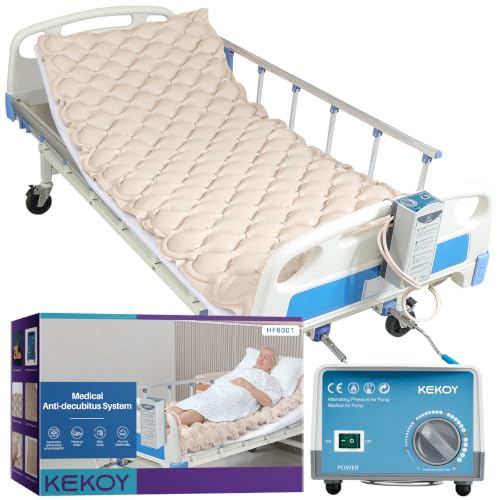
KEKOY Alternating Air Pressure Mattress Pad for Bed Sore
| Product Type | Alternating Air Pressure Mattress Pad |
| Coverage Size (inflated) | 75 inches L × 35 inches W |
| Air Cell Count | 130 bubble air cells |
| Weight Capacity | Supports up to 300 lbs |
| Power and Operation | Aluminum air pump, continuous operation with pump plugged in; 67-inch power cord (1.7 m) |
| Pressure Control and Cycle | 5 adjustable pressure levels (Level 1–Level 5); alternating cycle approximately every 10–12 minutes; designed for 24-hour use |
You lie down and notice the pad whispering to life, the 130 bubble air cells swelling with a soft hiss that barely registers in the room. The first night, I tucked it under a standard hospital bed sheet and felt the surface smooth and quiet against my skin, almost like a gentle pillow top that’s learned to breathe with you.
Within minutes, the alternating cycle began its quiet dance, shifting pressure away from my hips and heels without me doing a thing. It’s not loud or obtrusive—the pump stays under 28 dBA, so you can almost forget it’s there as you drift off.
It’s a small adjustment that makes a big difference when you’re trying to sleep through discomfort.
Setting it up was straightforward: a 75″ by 35″ pad fits neatly on most beds, with hoses and a compact control that sits within easy reach. I appreciated the waterproof surface—spills and sweat clean up in a snap, which matters when you’re managing daily care.
The surface also feels sturdy, thanks to medical-grade PVC and high-temperature sealing that keeps air where it should be.
During the day, the 10–12 minute cycle feels like a steady hand keeping pressure even across the hips, lower back, and shoulders. It’s a relief not to have to reposition manually every couple of hours, especially on days you’re recovering from surgery or managing limited mobility.
The pad can handle up to 300 lbs, which makes it feel robust rather than flimsy.
One note I’d pass along: keep the pump plugged in throughout use to maintain continuous inflation. It’s not a problem in practice, just something to remember if you’re moving it between rooms.
Overall, it’s a practical, low-maintenance option for daily pressure care at home or in care settings.
SINWEEK 2 Inch Egg Crate Memory Foam Mattress Topper Twin

| Topper Type | Egg Crate memory foam |
| Thickness (expanded) | Not specified on opening; recommends 24–72 hours to fully expand |
| Certifications | CertiPUR-US Certified memory foam |
| Cooling/Comfort Feature | Cooling gel-infused memory foam with enhanced airflow |
| Intended Use | Designed to be placed on top of an existing mattress (not standalone) |
| Care/Notes | Allow to expand; temperature affects expansion time (optimal around 78°F) |
You lie down and immediately notice something different from the standard flat toppers I’ve tested. The egg-crate shape gives my hips and shoulders a gentler cradle, almost like a tiny cushion grid that rejects the “dive into the mattress” feeling.
When I opened it, the thin appearance surprised me—this is one of those cases where quick fluffing and a bit of patience paid off. After 24 hours, it puffed to the expected thickness, and the cooling gel foam feels cooler to the touch than other memory foams I’ve tried.
The blue wave color looks sleek on the bed, not gimmicky, and the texture underneath isn’t slippery, which helps it stay put on a standard mattress. You’ll feel the contouring more in the areas that typically bear the brunt of pressure, like your hips and shoulders, without the usual overheating that sometimes comes with memory foam.
In practice, I noticed the pressure distribution kick in pretty quickly. Lying on my back and side, the topper softened the mattress’s firmness while keeping alignment in check.
It’s not a magic fix for every ache, but it does reduce that hard-mattress edge feel you get after a long day.
The CertiPUR-US certification adds peace of mind about materials and durability. And because it’s designed to be used on top of an existing bed, it’s easy to move between guest rooms or beds without committing to a full mattress replacement.
If you’re bedridden or simply dealing with a rigid sleep surface, this topper delivers immediate comfort without bulk. The temperature guidance is useful, and the shape memory helps it adapt to shifts in position through the night.
A solid, budget-friendly upgrade that doesn’t scream “new mattress” in your room.
PROS
– Notable pressure relief
– Cool, breathable foam
– Easy to expand
CONS
– Initial thin look
– Needs time to fully expand
What Is a Mattress Topper and Why Is It Important for Bedridden Individuals?
The benefits of using a mattress topper for bedridden individuals extend beyond comfort; they also contribute to better sleep quality, which is essential for recovery and health maintenance. Improved sleep can lead to reduced stress levels, enhanced mood, and better immune function, all of which are crucial for individuals with limited mobility. Additionally, a well-chosen mattress topper can be a cost-effective solution for enhancing an existing mattress without the need for a complete replacement.
When selecting the best mattress topper for bedridden individuals, it’s important to consider factors such as the individual’s specific health needs, skin sensitivity, and any allergies to certain materials. Best practices include choosing a topper with a high-density foam for durability, ensuring it is hypoallergenic to prevent skin irritations, and checking for certifications like CertiPUR-US, which guarantees that the foam is made without harmful chemicals. Regular maintenance, including cleaning and airing out the topper, can also prolong its lifespan and effectiveness.
What Types of Materials Are Best for Mattress Toppers for Bedridden Users?
The best mattress toppers for bedridden users focus on comfort, support, and pressure relief to enhance sleep quality and prevent bedsores.
- Memory Foam: Memory foam mattress toppers are known for their excellent contouring properties, which allow them to conform to the body’s shape and distribute weight evenly. This helps alleviate pressure points, making them ideal for bedridden users who may be at risk for pressure ulcers.
- Latex: Latex mattress toppers offer a responsive and supportive surface that helps maintain spinal alignment while providing a slight bounce. They are also hypoallergenic and resistant to dust mites, making them a good choice for users with allergies or sensitivities.
- Gel-Infused Foam: Gel-infused foam toppers combine the contouring benefits of memory foam with added cooling properties, which can help regulate temperature and prevent overheating during sleep. This feature is particularly beneficial for bedridden users who may find it difficult to adjust their position and might otherwise become uncomfortable due to heat retention.
- Air-Cell Technology: Toppers featuring air-cell or air-filled components create a dynamic support system that allows for airflow and minimizes pressure points. These toppers can be adjusted to different firmness levels, providing customized support for bedridden users who have varying needs for comfort and pressure relief.
- Wool or Down Alternatives: Wool or down alternative toppers provide a soft, plush layer that adds comfort without excessive heat retention. They are breathable and can wick away moisture, which helps keep the sleeping surface dry and comfortable for users who may remain in bed for extended periods.
How Do Different Materials Affect Comfort and Support?
Different materials play a crucial role in determining the comfort and support of mattress toppers, especially for bedridden individuals.
- Memory Foam: This material is known for its excellent contouring ability, which allows it to conform to the shape of the body, providing personalized support. Memory foam can help alleviate pressure points, making it a popular choice for those who spend extended periods in bed.
- Latex: Latex toppers are made from natural or synthetic rubber and offer a resilient and supportive surface. They provide a slightly firmer feel than memory foam, promoting better spinal alignment while also being breathable, which helps regulate temperature for added comfort.
- Gel-Infused Foam: Gel-infused foam combines the contouring benefits of memory foam with cooling properties to manage heat retention. This type of material is particularly beneficial for bedridden individuals who may experience discomfort due to overheating during long periods of rest.
- Feather and Down: These toppers offer a soft and plush feel, providing a luxurious comfort layer that can relieve pressure points. However, they may lack the necessary support for those with specific medical needs, so they are typically best used in combination with a firmer mattress.
- Polyfoam: Polyfoam toppers are made from polyurethane and offer a range of densities, making them versatile for various comfort preferences. While they are generally less expensive than other materials, their durability and support might not match that of memory foam or latex.
What Features Should You Look for in a Mattress Topper for Bedridden Individuals?
When selecting the best mattress topper for bedridden individuals, several key features are essential for ensuring comfort and support.
- Pressure Relief: A good mattress topper should provide excellent pressure relief to minimize the risk of bedsores. Memory foam or gel-infused materials are often recommended as they contour to the body’s shape, distributing weight evenly and alleviating pressure points.
- Support and Firmness: It’s important that the mattress topper maintains an appropriate level of support and firmness to prevent sagging and ensure proper spinal alignment. Look for a topper that balances softness for comfort with enough firmness to provide adequate support for the individual’s weight and body shape.
- Breathability: A breathable mattress topper helps regulate temperature and keep the sleeping surface cool, which is particularly important for bedridden individuals who may be more prone to overheating. Materials such as latex or those with ventilated designs can enhance airflow and moisture-wicking properties.
- Easy to Clean: Since bedridden individuals may experience spills or accidents, a mattress topper that is easy to clean or comes with a removable, washable cover is essential. This feature contributes to maintaining hygiene and prolonging the lifespan of the topper.
- Hypoallergenic Materials: Choosing a mattress topper made from hypoallergenic materials can be beneficial for individuals with allergies or sensitivities. Look for options that resist dust mites, mold, and other allergens to create a healthier sleeping environment.
- Thickness Options: The thickness of the mattress topper can affect comfort and support. Thicker toppers typically provide more cushioning, but it’s important to find the right balance to ensure that the topper fits well with the existing mattress and does not create an unstable sleeping surface.
Why Is Pressure Relief Essential for Bedridden Users?
Pressure relief is essential for bedridden users because prolonged immobility can lead to pressure ulcers, also known as bedsores, which occur when sustained pressure restricts blood flow to certain areas of the skin.
According to the National Pressure Injury Advisory Panel, up to 30% of patients in long-term care facilities develop pressure injuries, making it critical to address this issue through appropriate bedding solutions such as high-quality mattress toppers. These toppers are designed to redistribute weight, alleviate pressure points, and enhance comfort, thereby minimizing the risk of skin breakdown.
The underlying mechanism involves the physics of pressure distribution. When a person lies in one position for an extended period, the weight of their body creates localized pressure on specific areas, particularly bony prominences such as hips and heels. The skin and underlying tissues can suffer damage when the pressure exceeds the capillary closing pressure, leading to tissue ischemia. A good mattress topper mitigates this by providing a more even distribution of body weight, allowing for better blood circulation and reducing the likelihood of ulcer formation.
Furthermore, factors such as moisture, friction, and shearing forces can exacerbate the risk of pressure injuries. Mattress toppers that incorporate breathable materials can help manage moisture and temperature, creating a more favorable environment for skin integrity. Research indicates that materials like memory foam and gel-infused options are particularly effective in enhancing comfort while also providing the necessary support to prevent these injuries.
How Does Temperature Regulation Impact Sleep Quality for Bedridden Individuals?
Temperature regulation plays a crucial role in sleep quality for bedridden individuals by affecting comfort and the ability to achieve restorative sleep.
- Thermoregulation: The body’s ability to maintain a stable internal temperature is vital for sleep. When individuals are bedridden, external factors such as bedding and mattress materials can significantly influence their thermal comfort, leading to either restful or disruptive sleep.
- Mattress Materials: The type of materials used in a mattress topper can impact how heat is retained or dissipated. Memory foam, for instance, tends to retain heat, which can cause discomfort, while gel-infused or breathable toppers can help regulate temperature, making sleep more comfortable for bedridden individuals.
- Humidity Control: High humidity levels can exacerbate feelings of discomfort and restlessness during sleep. Mattress toppers designed with moisture-wicking properties can help manage humidity, ensuring a cooler sleep environment that promotes better sleep quality.
- Airflow and Breathability: The design of a mattress topper can significantly affect airflow. Toppers with an open-cell structure or those made from latex tend to allow for better air circulation, which helps in maintaining a comfortable sleeping temperature, thus enhancing sleep quality.
- Personal Sensitivity: Individual sensitivity to temperature variations can differ widely. Some bedridden individuals might require specific types of mattress toppers that cater to their personal comfort needs, ensuring they remain at an optimal temperature throughout the night, which is essential for uninterrupted sleep.
What Risks Are Associated with Using the Wrong Mattress Topper?
Using the wrong mattress topper can lead to various risks that affect comfort and health, especially for bedridden individuals.
- Poor Support: An inadequate mattress topper may not provide the necessary support for the body, leading to misalignment of the spine and increased pressure on joints.
- Increased Pressure Ulcers: A topper that is too firm or lacks adequate cushioning can exacerbate the risk of pressure ulcers, as it does not distribute weight evenly across the body.
- Heat Retention: Some mattress toppers can trap heat, making the sleeping surface uncomfortable and potentially leading to overheating, which is particularly problematic for bedridden individuals who may already have compromised thermoregulation.
- Allergic Reactions: Certain materials used in mattress toppers can trigger allergies or sensitivities, causing discomfort and health issues for those with specific sensitivities.
- Durability Issues: A low-quality topper may degrade quickly, leading to sagging and a loss of support, requiring frequent replacements and additional financial burden.
Poor support from an inappropriate mattress topper can affect the alignment of the spine, leading to discomfort and potential long-term back problems. For bedridden individuals, this misalignment can create additional strain on muscles and ligaments, making it difficult to maintain a healthy posture even while lying down.
Increased pressure ulcers are a significant concern for bedridden individuals, as prolonged pressure on certain areas can restrict blood flow and cause skin breakdown. A mattress topper that does not adequately relieve pressure will not help in redistributing weight, increasing the likelihood of developing sores that require medical attention.
Heat retention can create an uncomfortable sleeping environment, particularly in individuals who are bedridden and may not be able to adjust their position frequently. When a mattress topper traps heat, it can lead to sweating and discomfort, further complicating the health of individuals who may already be suffering from other medical conditions.
Allergic reactions to materials like latex or certain synthetic fibers in mattress toppers can lead to respiratory issues or skin irritations. For bedridden individuals, who may have limited mobility to address discomfort, this can exacerbate existing health problems and lead to increased stress on caregivers.
Durability issues with a low-quality mattress topper can result in the need for frequent replacements, placing both a monetary and logistical burden on caregivers. A topper that loses its shape or firmness can also lead to further discomfort and health risks, necessitating ongoing investment in a better option to ensure proper care.
How Can Reviews and Recommendations Aid in Selecting the Right Mattress Topper?
Comparison ratings help consumers quickly assess the strengths and weaknesses of various products. This aggregated information enables buyers to make informed choices based on the collective experiences of multiple users, increasing the likelihood of selecting a quality mattress topper.
Material insights shared in reviews can inform buyers about the advantages and disadvantages of different materials, such as memory foam versus latex. Understanding these elements can help ensure that the chosen topper aligns with the specific preferences and health requirements of bedridden individuals.
Comfort and support feedback is crucial, as the effectiveness of a mattress topper can vary widely. Reviews that detail the performance of toppers in terms of alleviating pressure points are invaluable for those who may be at risk for skin issues, ensuring that they choose a product that genuinely supports their health and well-being.
Which Mattress Toppers Are Highly Recommended for Bedridden Individuals?
- Memory Foam Mattress Toppers: These toppers conform closely to the body, providing excellent pressure relief and support for bedridden individuals.
- Latex Mattress Toppers: Made from natural or synthetic latex, these toppers offer a responsive feel, durability, and excellent breathability, which can help regulate temperature.
- Gel-Infused Mattress Toppers: Incorporating cooling gel into the foam helps to dissipate heat, making these toppers ideal for individuals who may experience overheating while lying in bed.
- Hybrid Mattress Toppers: Combining various materials, such as memory foam and latex or innerspring, these toppers provide a balanced feel of support and comfort, catering to different sleeping positions.
- Egg Crate Foam Mattress Toppers: Featuring a convoluted design, these toppers enhance airflow and reduce pressure points, making them a budget-friendly option for bedridden individuals.
Memory foam mattress toppers are particularly well-regarded for their ability to contour to the body’s shape, which helps to reduce pressure on sensitive areas and can alleviate pain associated with prolonged bed rest. They also provide good motion isolation, which makes them suitable for those who may have a caregiver assisting them.
Latex mattress toppers are praised for their resilience and ability to maintain their shape over time, providing consistent support and comfort. Additionally, their natural elasticity promotes better spinal alignment and reduces the risk of developing bedsores.
Gel-infused mattress toppers are ideal for those who may be prone to overheating, as the cooling properties of the gel help to regulate body temperature for a more comfortable sleep experience. This can be particularly beneficial for bedridden individuals who spend extended periods in bed.
Hybrid mattress toppers offer the advantages of both foam and spring systems, providing a unique blend of support and softness. This versatility makes them suitable for different body types and sleeping preferences, ensuring that bedridden individuals can find an option that best meets their needs.
Egg crate foam mattress toppers are a cost-effective solution that can significantly enhance comfort. Their unique design not only provides cushioning but also promotes airflow, which can help keep the sleeping surface cooler and more comfortable for extended periods of use.
Related Post: